Reading closely
The analyses
Under 436 of the most-discussed poems in the archive sits a full analysis: what the poem says, what it means, how it is built, and how readers here have read it since 2004. Every quotation and line number in them is checked against the poem.
Nine parts
What an analysis covers
The shape follows the analysis pages the site carried in its first years, extended. Each part has a job, and the parts come in the same order under every poem.
Introduction
What the poem is and what it is about, in a paragraph or two. Enough to orient a reader who has just read the poem once.
Summary
What the poem says, stanza by stanza, in the present tense and without interpretation. The place to check that you followed the poem.
Themes and meaning
The main ideas, each developed with evidence from the text. Where readers disagree about a poem, the competing readings are given, with what in the text supports each.
Tone
The speaker’s attitude and how it shifts as the poem goes on, shown from the words on the page.
Form and structure
Lines, stanzas, rhyme and metre. These facts are computed from the text itself, so the rhyme scheme and syllable counts are exact.
Poetic devices
Metaphor, repetition, alliteration, enjambment and the rest, each tied to one line of the poem and quoted from it. A check confirms that every quotation really sits on the line it cites.
Words worth knowing
Archaic words, dialect, technical senses and puns, with the sense they carry in this poem.
Context
The book the poem appeared in and when, from the archive’s own records. Nothing about the poet’s life is stated unless it has been confirmed.
What readers have said
How readers of this site have read the poem since 2004, especially where they disagree, each point tied to a real comment on the page.
Each analysis is drafted starting with the poem, the archive’s own records and a sample of the comments, then read against the poem and the cited comments before it is approved by the editor. We attempt to reject misquotation, a device whose quoted words are not on its line, a wrong line number and any claim about the poet’s life that the records do not support.
Start here
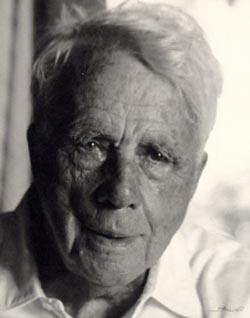
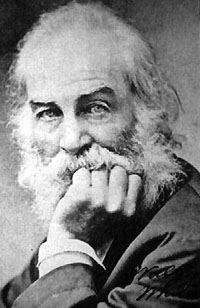
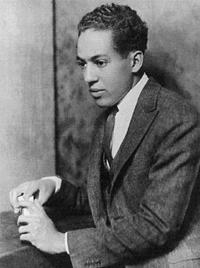
Eight to begin with


88 poets, A to Z
Every poet with an analysis
A

B



C
-
e.e. cummings 1894–1962
27 analyses
- i carry your heart with me
- anyone lived in a pretty how town
- maggie and milly and molly and may
- somewhere i have never travelled, gladly beyond
- in Just
- 1(a... (a leaf falls on loneliness)
- since feeling is first... (VII)
- may i feel said he
- i thank you God for most this amazing
- r-p-o-p-h-e-s-s-a-g-r
- Buffalo Bill's
- i like my body when it is with your
- (Me up at does)
- next to of course god america i... (III)
- "Gay" is the captivating cognomen
- Snow
- dying is fine)but Death
- if you like my poems let them
- Humanity i love you
- i sing of Olaf glad and big
- what if a much of a which of a wind... (XX)
- Little Tree
- between the breasts
- nobody loses all the time (X)
- i have found what you are like
- i shall imagine life
- all which isn't singing is mere talking
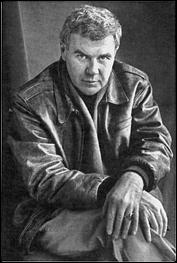


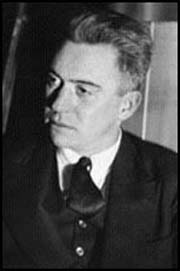

D
-
Emily Dickinson 1830–1886
31 analyses
- There is another sky
- I'm Nobody! Who are you?
- The Brain -- is wider than the Sky
- Because I could not stop for Death
- Nobody knows this little Rose
- My life closed twice before its close
- I started Early -- Took my Dog
- Heart! We will forget him!
- There is a solitude of space
- There's a certain Slant of light
- I heard a Fly buzz -- when I died
- If I can stop one Heart from breaking
- A narrow Fellow in the Grass
- Awake ye muses nine
- The Soul selects her own Society
- Tell all the Truth but tell it slant
- I died for Beauty -- but was scarce
- Success is counted sweetest
- "Hope" is the thing with feathers
- We never know how high we are
- I dreaded that first Robin, so
- There's been a Death, in the Opposite House
- Water, is taught by thirst.
- A slash of Blue
- Much Madness is divinest Sense
- I felt a Funeral, in my Brain
- You love me -- you are sure
- Apparently with no surprise
- "Faith" is a fine invention
- After great pain, a formal feeling comes
- Wild Nights -- Wild Nights!
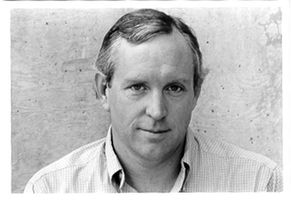


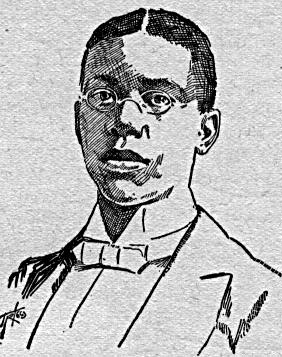

E
-
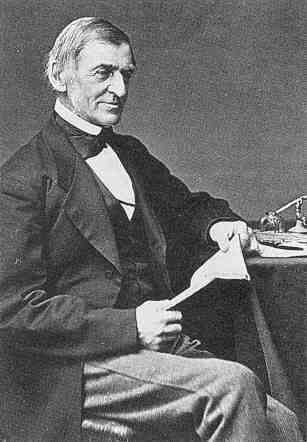
Ralph Waldo Emerson 1803–1882
9 analyses

F
-
Robert Frost 1874–1963
36 analyses
- The Road Not Taken
- Nothing Gold Can Stay
- Stopping by Woods on a Snowy Evening
- Fire and Ice
- Dust of Snow
- The Lockless Door
- 'Out, Out--'
- Mending Wall
- Ghost House
- Acquainted With the Night
- Birches
- A Minor Bird
- Two Tramps In Mud Time
- Design
- Into My Own
- After Apple-Picking
- Putting in the Seed
- The Rose Family
- Stars
- Once By The Pacific
- The Pasture
- A Passing Glimpse
- The Cow In Apple-Time
- Wind and Window Flower
- Love and a Question
- The Death of the Hired Man
- The Runaway
- The Silken Tent
- Hyla Brook
- My November Guest
- In a Disused Graveyard
- Asking For Roses
- The Span Of Life
- An Old Man's Winter Night
- My Butterfly
- Storm Fear
G


H

J

K


L
-
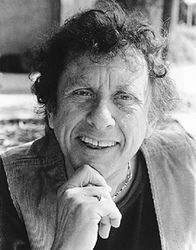
David Lehman Born 1948
3 analyses


M

N
O

P



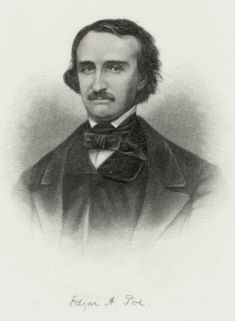


R
-
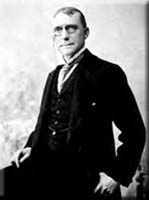
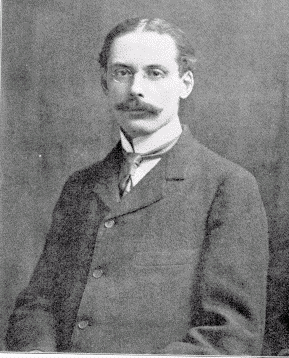
James Whitcomb Riley 1849–1916
3 analyses

S
-
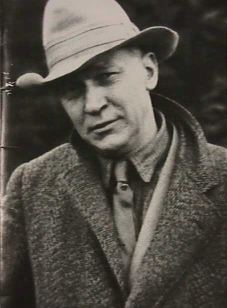
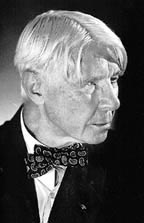
William Stafford 1914–1993
3 analyses




T
-
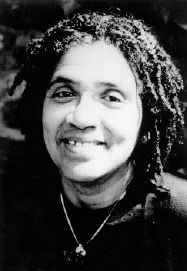
James Tate 1943–2015
4 analyses




W


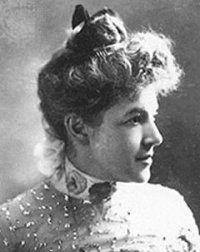
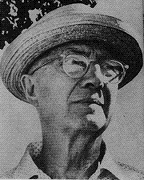

From the shelf
The books they came from
Each analysis names the book its poem appeared in. These are the editions the archive holds covers for.
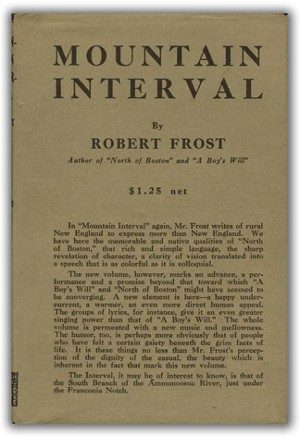 Mountain IntervalRobert Frost
 New HampshireRobert Frost
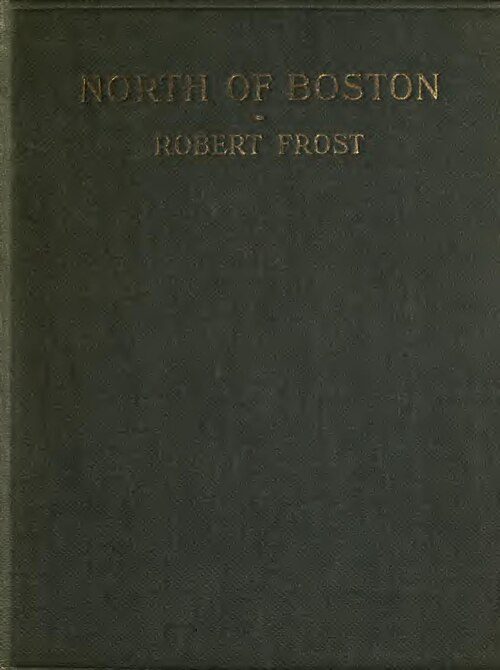 North of BostonRobert Frost
 A Boy's WillRobert Frost
 West-Running BrookRobert Frost
 A Further RangeRobert Frost
 A Witness TreeRobert Frost
 Complete Poems of Emily DickinsonEmily Dickinson
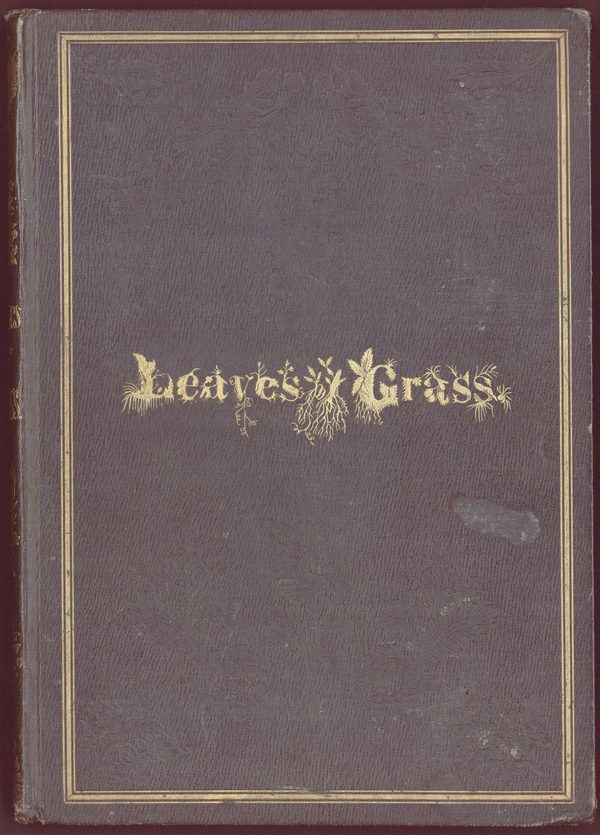 Leaves of GrassWalt Whitman
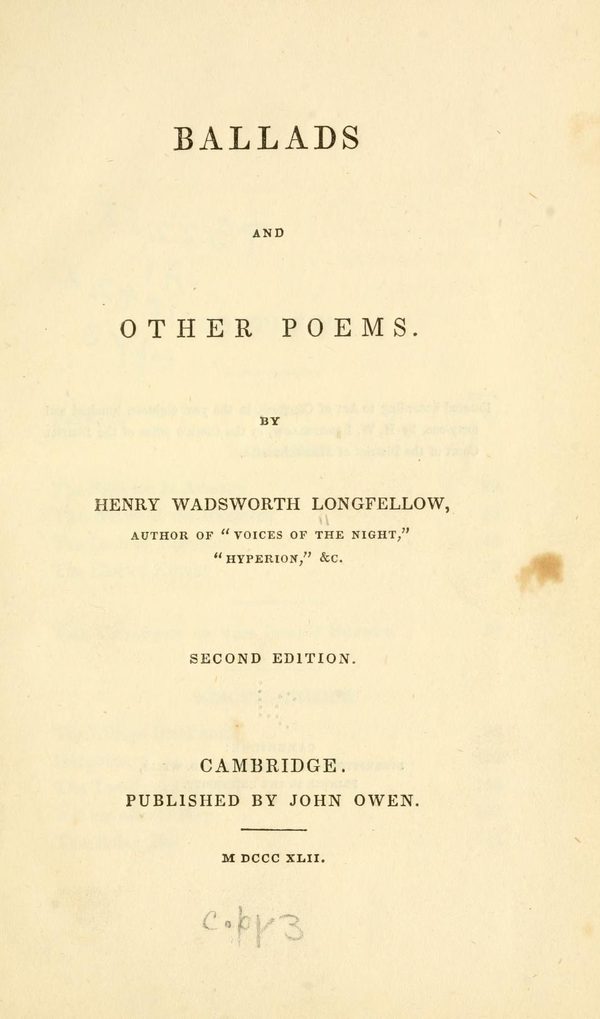 Ballads and Other PoemsHenry Wadsworth Longfellow
 Voices of the NightHenry Wadsworth Longfellow
 The Song of HiawathaHenry Wadsworth Longfellow
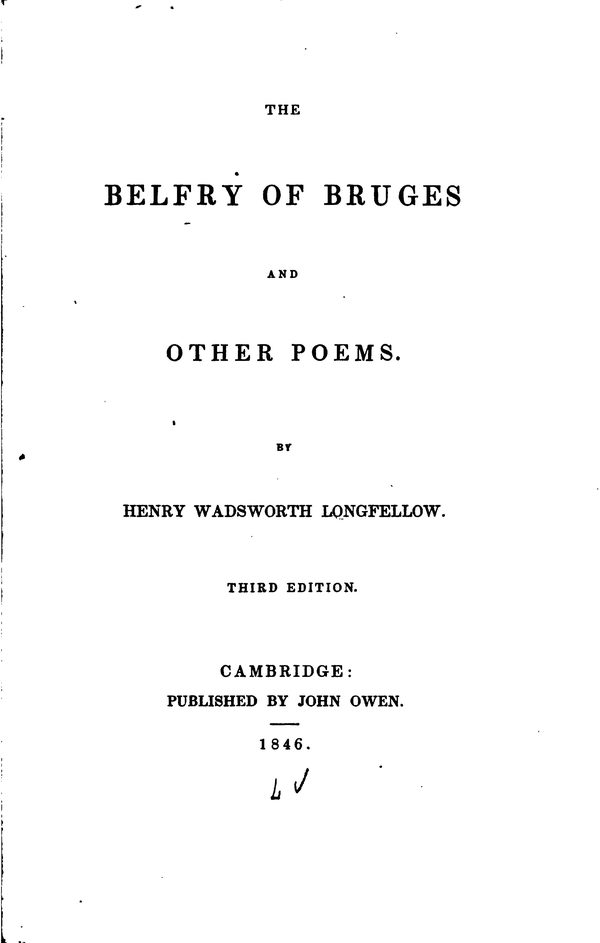 The Belfry of Bruges and Other PoemsHenry Wadsworth Longfellow
 Poems on SlaveryHenry Wadsworth Longfellow
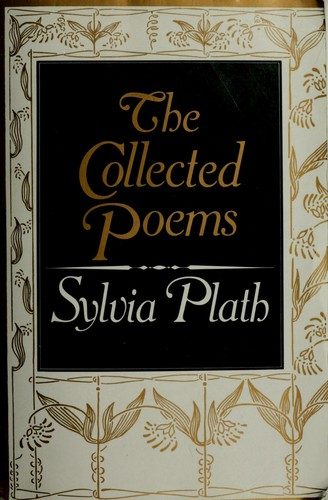 The Collected PoemsSylvia Plath
 The Black Riders & Other LinesStephen Crane
 War is Kind & Other LinesStephen Crane
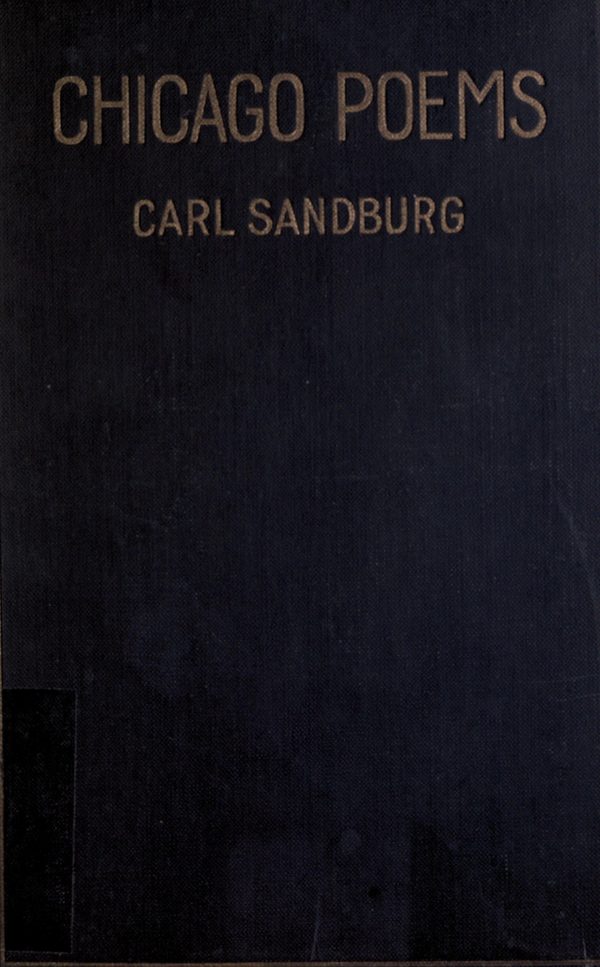 Chicago PoemsCarl Sandburg
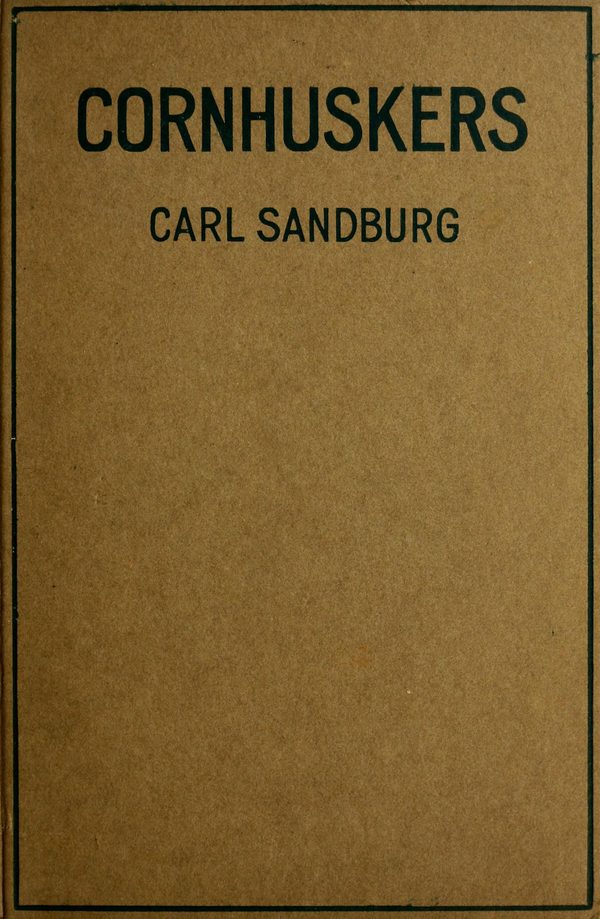 CornhuskersCarl Sandburg
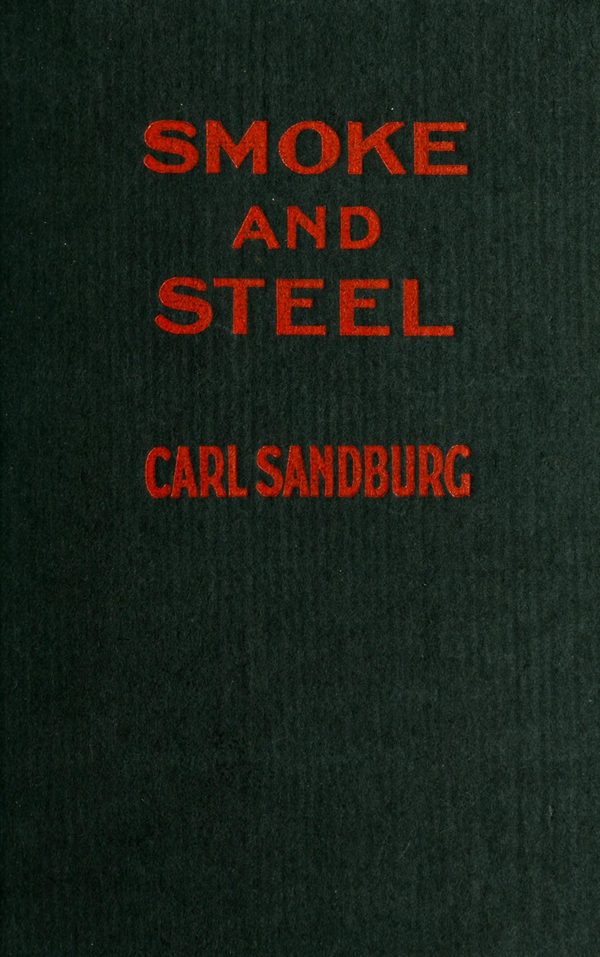 Smoke and SteelCarl Sandburg
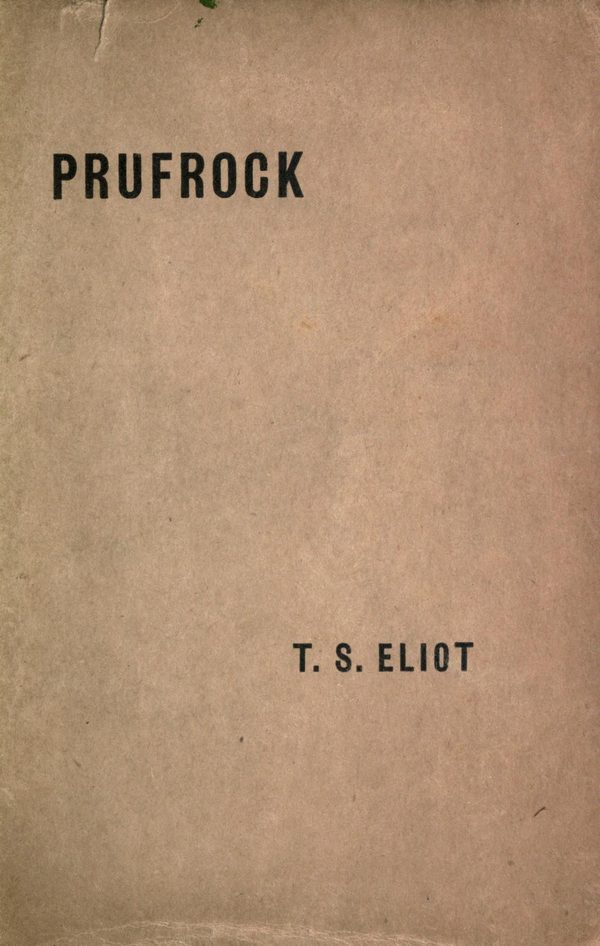 Prufrock and Other ObservationsT.S. Eliot
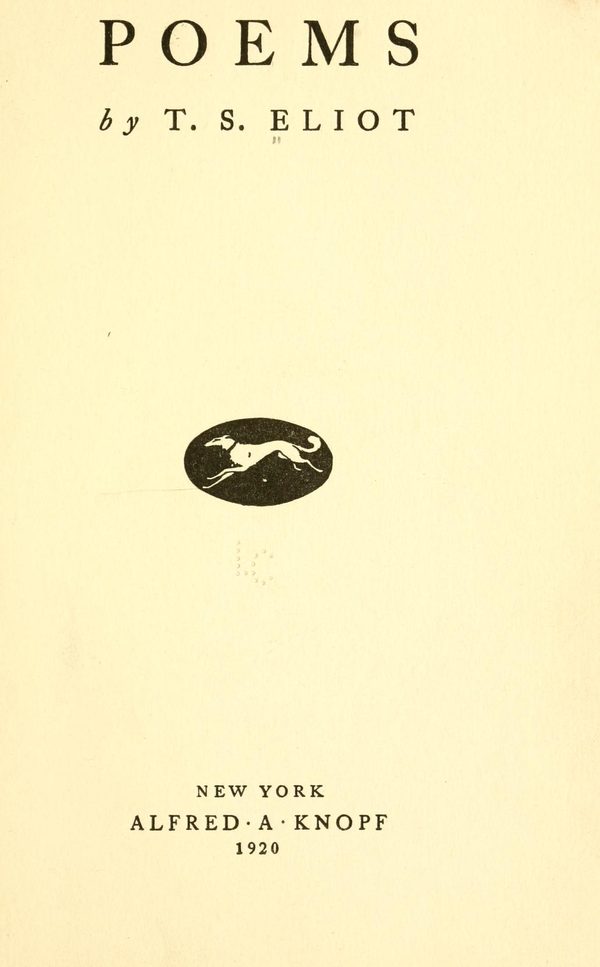 PoemsT.S. Eliot
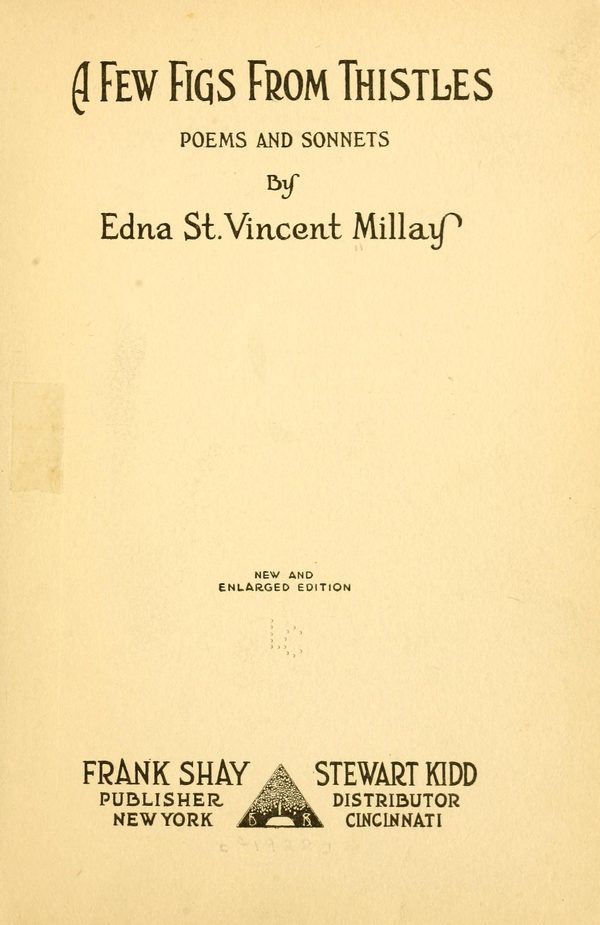 A Few Figs From ThistlesEdna St. Vincent Millay
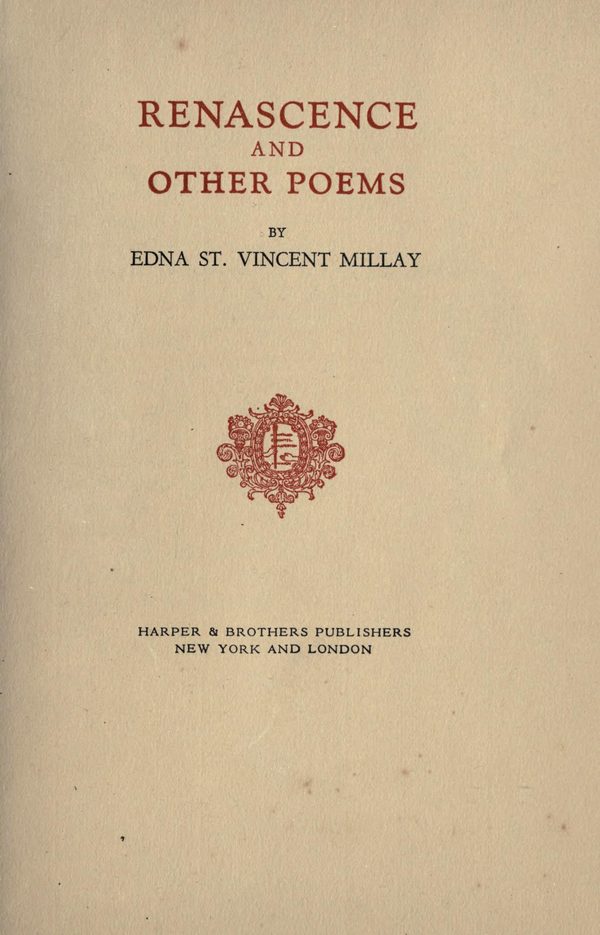 Renascence and Other PoemsEdna St. Vincent Millay
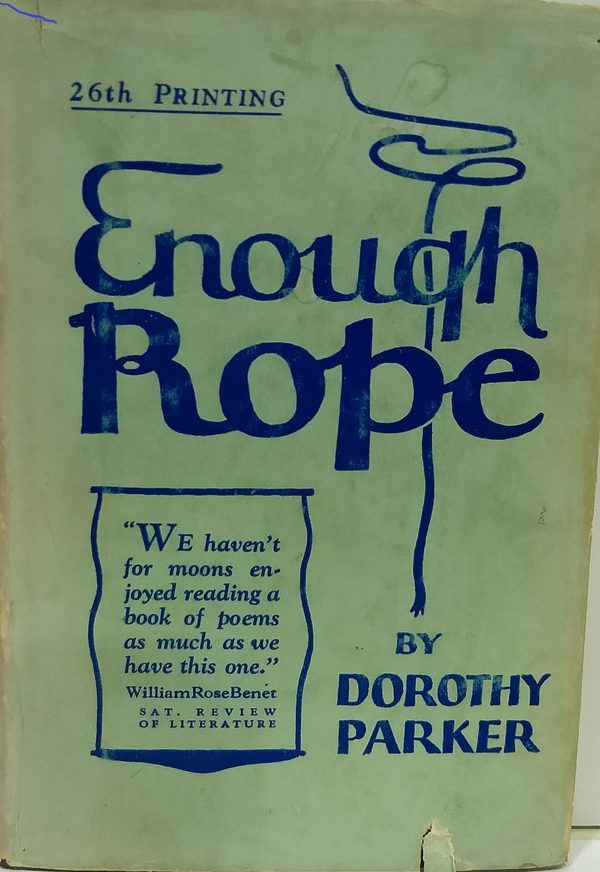 Enough RopeDorothy Parker
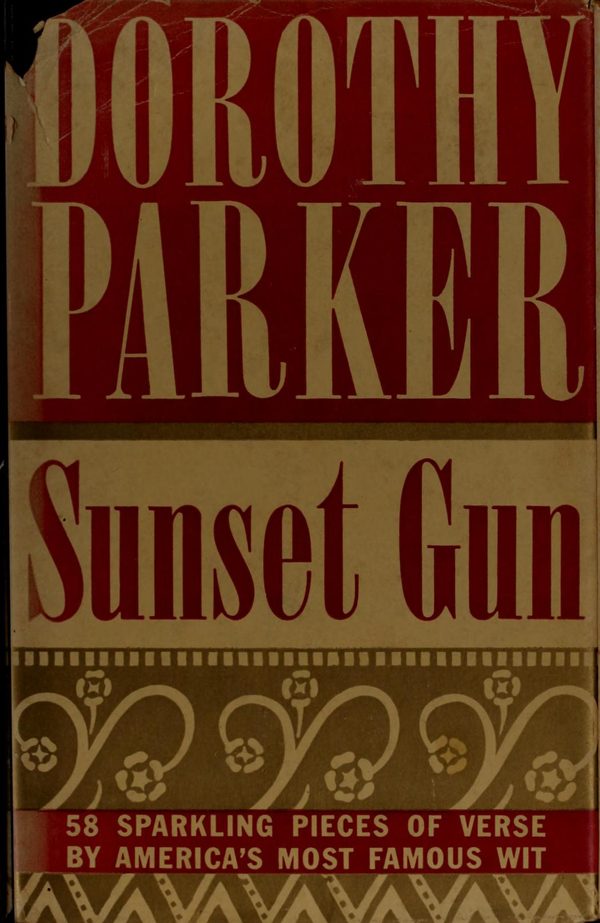 Sunset GunDorothy Parker
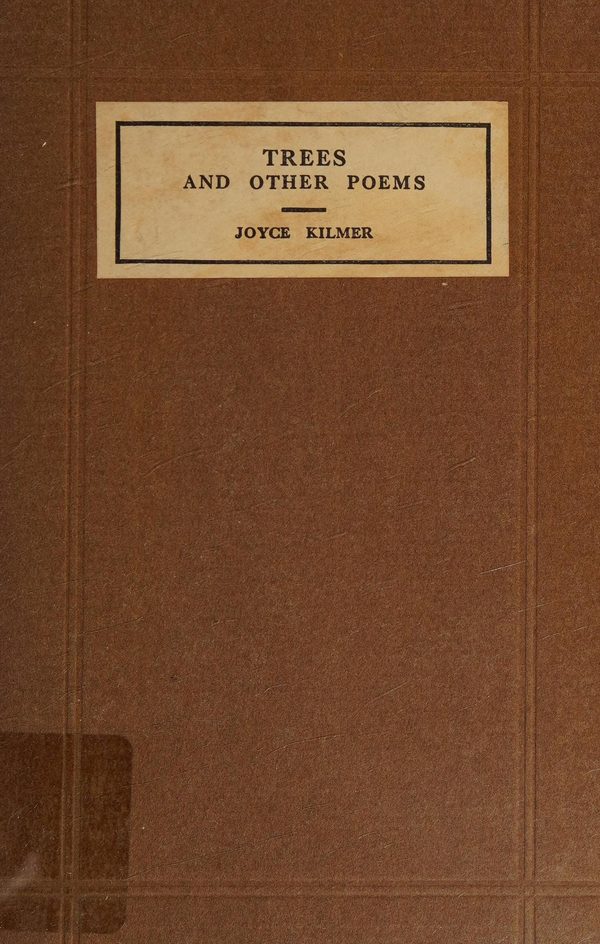 Trees and Other PoemsJoyce Kilmer