the balls the chains red and gold the fluffy threads,
put up your little arms
and i'll give them all to you to hold
every finger shall have its ring
and there won't a single place dark or unhappy
then when you're quite dressed
you'll stand in the window for everyone to see
and how they'll stare!
oh but you'll be very proud
and my little sister and i will take hands
and looking up at our beautiful tree
we'll dance and sing
"Noel Noel"
✦
Analysis
Little Tree: analysis
Introduction
"Little Tree" is a Christmas poem spoken to a tree. The speaker is a child, to judge by the mention of "my little sister" in line 25. The child comforts the small tree, which has been brought in from the forest, then dresses it in decorations and looks forward to showing it off. It ends with the two children dancing and singing "Noel Noel".
The poem reads as simple and tender. Beneath that it holds a quiet unease, since the tree never answers when asked if it was sorry to come away.
Summary
The opening four lines address the tree directly. It is "little" and "silent", and it is "so little" that it seems "more like a flower".
The speaker then asks two questions in lines 5–6: who found it "in the green forest", and was it "very sorry to come away". The speaker moves straight to comfort, because it smells so sweet.
The next group promises care. The speaker will "kiss your cool bark" and "hug you safe and tight". This will be "just as your mother would,". The tree is told "only don't be afraid".
Line 13 calls for attention to "the spangles". These "sleep all the year in a dark box". They dream of being "taken out and allowed to shine,". Line 16 lists more: balls, chains and "the fluffy threads,".
The tree is then told to "put up your little arms" and hold them all. "every finger shall have its ring". Line 20 adds that no place will be dark or unhappy.
Once dressed, the tree will "stand in the window for everyone to see". The speaker imagines the crowd: "and how they'll stare!". The tree will be "very proud".
The final group brings in the speaker's little sister. The two will "take hands" and look up at "our beautiful tree". They will "dance and sing", and the poem ends on "Noel Noel".
Themes and meaning
Comfort is offered to something that has been taken. The tree has had to "come away" from the "green forest", and the speaker asks if it was "very sorry". The question goes unanswered, because the tree is "silent". The child's kindness is real, but the child also belongs to the household that took the tree. Comfort and taking sit side by side.
A child's way of seeing shapes everything. The speaker gives a tree "little arms" and a "mother", and imagines it afraid. The decorations can "sleep" and go "dreaming". To an adult this is make-believe. In the poem it is simply how the world is, and the plain language never apologises for it.
Dark is set against bright. The spangles live in "a dark box" and long to shine. Line 20 promises to banish anything "dark or unhappy". The whole dressing of the tree is a campaign against gloom. It also sets up a likeness between the tree and the spangles. Both are brought out for a short while to be looked at.
Display and pride close the poem. The tree will "stand in the window", and people will stare. The speaker assumes this will make it "very proud". That is a loving gift, and also a child's own wish placed on the tree. The final "our beautiful tree" shifts the ownership openly, and the joy at the end belongs to the children.
Tone
The tone is gentle and intimate throughout. The speaker uses small words and speaks softly, as to a frightened animal. "see i will comfort you" has the sound of a soothing parent, copied by a child.
There is worry under the tenderness. "only don't be afraid" admits that there may be reason for fear.
From line 13 the mood lifts. "look the spangles" is the voice of an excited child showing off treasures. The promise of rings on every finger grows more eager. Excitement peaks in "and how they'll stare!", the poem's one exclamation mark, followed by "oh but you'll be very proud".
The ending is pure happiness: "we'll dance and sing". The tree's silence lasts to the end while the children sing. That leaves a thread of sadness under the joy.
Form and structure
The lines fall into groups of four. Each group takes one step in the child's plan, from comfort through decoration and display to the dance.
This is free verse with no regular metre. Lines run from 3 to 13 syllables, and the longest line describes the decorations. There is no pattern of rhyme. Repeated sounds come from repeated words, such as "tree", and from two chimes: "see" in line 22 with "tree", and "ring" in line 19 with "sing" in line 27. Punctuation is sparse. Gaps inside lines, as in "see i will comfort you", act like a pause for breath.
Poetic devices
Repetition line 2
little silent Christmas tree The word little recurs through the opening lines. It sets the scale and the speaker's tenderness, and silent establishes that the tree will not reply.
Simile line 4
you are more like a flower A flower is more delicate than a tree. The comparison makes the tree seem fragile and in need of care.
Personification line 6
were you very sorry to come away? The tree is asked about its feelings as a child would be. The unanswered question carries the poem's sadness.
Caesura line 7
see i will comfort you The gap after the first word works like a gentle pause. It marks the moment of turning to reassure.
Sensory imagery line 9
i will kiss your cool bark Touch and temperature make the tree a physical thing. Bark is rough, and to kiss it is a child's gesture.
Simile line 11
just as your mother would, The child takes up the role of the parent left behind. It also reminds the reader what the tree has lost.
Personification line 14
that sleep all the year in a dark box The decorations are given a sleeping life of their own. They become fellow creatures who share the tree's moment.
Imagery line 16
the balls the chains red and gold the fluffy threads, The unpunctuated list has the rush of a child naming each treasure in turn. Colour and texture crowd in.
Metaphor line 19
every finger shall have its ring Branch tips become fingers and ornaments become rings. The word shall makes it sound like a solemn promise.
Exclamation line 23
and how they'll stare! This is the only exclamation mark, and it marks the height of the child's excitement. Stare is also a slightly uneasy word.
Repetition line 28
Noel Noel The doubled word is the children's song itself, placed in quotation marks. The poem's address to the tree ends in a chant.
Words worth knowing
spangles
Small glittering ornaments that catch the light.
fluffy threads
Probably tinsel or a similar soft decoration, as a child might describe it.
Noel
A word for Christmas, heard as a cry of joy in carols.
Context
This poem was the site's Poem of the Day on November 1, 2016.
What readers have said
Tina says it makes you cry out for the tree as for your own child, yet feel happy for it, as with something better off on its own. Tina, 2004
Liz has always felt sad for Christmas trees, and the poem made her think of decorations waiting in boxes for one shining moment, sadness and glitter together. Liz, 2005
Buddy Sattva says the speaker is a child, which explains the simplicity, and that we can share the beauty by seeing the tree as a child would. Buddy Sattva, 2011
Irene sets beside it a traditional Russian poem, told to her by a pupil, in which a little tree cries until children decorate it. Irene, 2004
Elena says the poem was made into a four-part choral song that sounds as if a little child is singing. Elena, 2006
This has got to be my absolute favorite Christmas poem. Cummings has such a way of making you cry out for the tree, like it is your own child, and then be so happy for it at the same time. It makes me think of a someone holding on to something they've got and never wanting to let it go, but knowing it will be better off on its own.
SophiaUnited States
i plan to place the poem on every home-made xmas card i make. it's such a pretty poem.
almasPakistan
I like it, it is nice. :)
IreneItaly
I studied this moving poem in the first year of middle school - just 40 years ago!!! - this year a pupil of mine that is from Russia, told the class a traditional poem of her country that has the same topic... a little tree, when is brought home is crying (ice is turning into water) but when children cover it with decorations, it is bright and sparkling again! - I was so surprised and moved... and went looking for this old poem that I had forgot in a remote corner of my heart...
Lauren FGhana
this poem makes me think of little girls in my room
nothinBosnia and Herzegovina
This poem is one of the few poems that is very sweet, but not too dramatic or boring. It's a good example of a non-rhyming poem (some non-rhyming poems are very dull but this one is very good)
KarenUnited States
this is suchh a cool poem!! it fits just right! even though its not christmas..
angelaUnited States
Thsi is a great poem. I am a 11 year old who is studying e.e. cummings and this poem is perfect. It is not dull or confusing.
LizUnited States
i've always felt so sad for those christmas trees and reading e e cummings' poem about that same feeling makes me appreciate his work even more. i had never thought about the tree decorations in their boxes all year, but when one thinks about it, they are preparing for one great, shining moment - i feel that many see the winter holiday season in this way- the sadness and confusion and the glitter...
ElenaUnited States
This poem was turned into a song (SATB) and it is absolutley beautiful. Sounds as if a little child is singing. Loved it and hope it will open more people up to e.e cummings.
Mick DayUnited States
what is essential
how sad for alyssa to miss what is essential in the poem. It is invisible to the eye.
I think Alyssa forgot that the speaker is a child. That explains the simplicity and the lack of some profound "commentary" on Christmas trees. The child sees only the beauty of the tree and the decorations and the shining moment they share. And we are reminded that we, too, can share in this beauty by seeing the tree as a child would.
Elena may be thinking of the setting of this poem by Eric Whitacre. Like all his work, this is a beautiful composition. You can hear it on youtube.
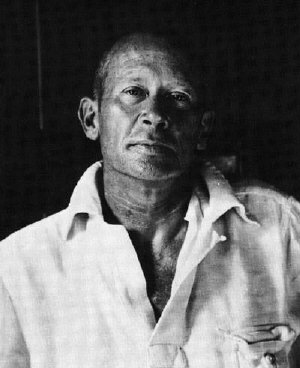
This has got to be my absolute favorite Christmas poem. Cummings has such a way of making you cry out for the tree, like it is your own child, and then be so happy for it at the same time. It makes me think of a someone holding on to something they've got and never wanting to let it go, but knowing it will be better off on its own.
i plan to place the poem on every home-made xmas card i make. it's such a pretty poem.
I like it, it is nice. :)
I studied this moving poem in the first year of middle school - just 40 years ago!!! - this year a pupil of mine that is from Russia, told the class a traditional poem of her country that has the same topic... a little tree, when is brought home is crying (ice is turning into water) but when children cover it with decorations, it is bright and sparkling again! - I was so surprised and moved... and went looking for this old poem that I had forgot in a remote corner of my heart...
this poem makes me think of little girls in my room
This poem is one of the few poems that is very sweet, but not too dramatic or boring. It's a good example of a non-rhyming poem (some non-rhyming poems are very dull but this one is very good)
this is suchh a cool poem!! it fits just right! even though its not christmas..
Thsi is a great poem. I am a 11 year old who is studying e.e. cummings and this poem is perfect. It is not dull or confusing.
i've always felt so sad for those christmas trees and reading e e cummings' poem about that same feeling makes me appreciate his work even more. i had never thought about the tree decorations in their boxes all year, but when one thinks about it, they are preparing for one great, shining moment - i feel that many see the winter holiday season in this way- the sadness and confusion and the glitter...
This poem was turned into a song (SATB) and it is absolutley beautiful. Sounds as if a little child is singing. Loved it and hope it will open more people up to e.e cummings.
what is essential
how sad for alyssa to miss what is essential in the poem. It is invisible to the eye.
fdsgd
so pwnful
little tree
I think Alyssa forgot that the speaker is a child. That explains the simplicity and the lack of some profound "commentary" on Christmas trees. The child sees only the beauty of the tree and the decorations and the shining moment they share. And we are reminded that we, too, can share in this beauty by seeing the tree as a child would.
Elena may be thinking of the setting of this poem by Eric Whitacre. Like all his work, this is a beautiful composition. You can hear it on youtube.