Beside the ungathered rice he lay,
His sickle in his hand;
His breast was bare, his matted hair
Was buried in the sand.
Again, in the mist and shadow of sleep,
He saw his Native Land.
Wide through the landscape of his dreams
The lordly Niger flowed;
Beneath the palm-trees on the plain
Once more a king he strode;
And heard the tinkling caravans
Descend the mountain-road.
He saw once more his dark-eyed queen
Among her children stand;
They clasped his neck, they kissed his cheeks,
They held him by the hand!--
A tear burst from the sleeper's lids
And fell into the sand.
And then at furious speed he rode
Along the Niger's bank;
His bridle-reins were golden chains,
And, with a martial clank,
At each leap he could feel his scabbard of steel
Smiting his stallion's flank.
Before him, like a blood-red flag,
The bright flamingoes flew;
From morn till night he followed their flight,
O'er plains where the tamarind grew,
Till he saw the roofs of Caffre huts,
And the ocean rose to view.
At night he heard the lion roar,
And the hyena scream,
And the river-horse, as he crushed the reeds
Beside some hidden stream;
And it passed, like a glorious roll of drums,
Through the triumph of his dream.
The forests, with their myriad tongues,
Shouted of liberty;
And the Blast of the Desert cried aloud,
With a voice so wild and free,
That he started in his sleep and smiled
At their tempestuous glee.
He did not feel the driver's whip,
Nor the burning heat of day;
For Death had illumined the Land of Sleep,
And his lifeless body lay
A worn-out fetter, that the soul
Had broken and thrown away!
✦
From the bookPoems on SlaveryPrinted front wrapper, second edition, John Owen, Cambridge, 1842
Analysis
THE SLAVE'S DREAM: analysis
Introduction
The Slave's Dream is a narrative poem of eight six-line stanzas. An enslaved man has fallen asleep beside a rice field, his sickle still in his hand. In his dream he returns to his "Native Land" beside the Niger.
There he is a king again, with a queen, children, a horse and a sword. Animals, forests and the desert wind fill the dream and shout "of liberty". The last stanza reveals that he has died in his sleep. The poem ends by calling his body "A worn-out fetter" that his soul has thrown away.
Summary
The poem opens on a man lying beside the "ungathered rice". He still holds his sickle. His chest is bare, and his matted hair is "buried in the sand". Asleep, he sees his "Native Land" once again.
In the dream the Niger flows wide across the landscape. He walks beneath palm trees on a plain, a king once more. He hears the "tinkling caravans" coming down the mountain road.
He sees his "dark-eyed queen" standing among their children. They hug him, kiss his cheeks and hold his hand. Here the poem turns back to the sleeping body. A tear falls from his eyelids into the sand.
The dream turns to motion. He rides at "furious speed" along the bank of the Niger. His reins are "golden chains", and his steel scabbard strikes his horse's side at every leap.
Flamingoes fly ahead of him "like a blood-red flag". He follows them from morning to night over plains where tamarind trees grow. At last he sees the roofs of huts, and the ocean comes into view.
At night he hears the lion roar and the hyena scream. He hears the "river-horse" crushing reeds beside a hidden stream. These sounds pass through him "like a glorious roll of drums". The poem calls them "the triumph of his dream".
The forests, with countless voices, shout of liberty. The "Blast of the Desert" cries out in a wild, free voice. The sleeper starts, then smiles at their "tempestuous glee".
He does not feel the "driver's whip" or the heat of the day. The reason is given in line 45. "Death had illumined the Land of Sleep", and he has died. His body lies there as "A worn-out fetter" that the soul has broken and thrown away.
Themes and meaning
The central contrast is between bondage and freedom. The waking world gets only a few details: the "ungathered rice", the sickle, the sand and the "driver's whip". The dream fills most of the poem. Its images are of open movement: a wide river, a gallop, a flight of birds, a desert wind. The forests even shout "of liberty" outright.
The dream is also a return home. The words "Again" and "Once more" mark it as a life he once had and lost (lines 5 and 10). The family scene in the third stanza is the most personal moment. It is also where the body weeps, as "A tear burst from the sleeper's lids". Grief breaks through the dream even while it comforts him.
The poem gives the enslaved man a king's rank. He strides as "a king", has a "dark-eyed queen" and carries a "scabbard of steel". The dream restores the dignity the rice field denies him. The reins of "golden chains" can be read two ways. They may show royal wealth, or they may be the chains of slavery turned to gold in sleep.
The ending treats death as release. "Death had illumined the Land of Sleep" makes death a light rather than a darkness. The body becomes "A worn-out fetter", a shackle the soul has outgrown. The consolation is also bitter, because the only freedom offered is dying. The ending can be read as comfort, or as an accusation against the system that worked him to death.
Tone
The poem begins quietly and with pity. The first stanza is still: a man lies with his hair "buried in the sand". Once the dream starts, the tone lifts into wonder and energy. The river is "lordly", the ride goes at "furious speed", and the night sounds become a "triumph".
The exclamation mark in line 16 carries joy at the family's embrace. The tear in line 17 cuts that joy with grief. The last stanza turns calm and solemn.
Its closing exclamation mark sounds more like release than mourning. The poem never argues about slavery directly. It lets the contrast between dream and field carry the judgement.
Form and structure
The poem has 48 lines in 8 stanzas of 6 lines each. Each stanza rhymes only on its even lines, so the second, fourth and sixth lines share one sound. The rhyme of "hand", "Land" and "sand" in the first stanza returns in the third with "stand", "hand" and "sand".
The metre is a loose ballad measure. Longer lines of about four beats alternate with shorter lines of about three. Syllables per line range from 4 to 11. Extra unstressed syllables often quicken a line, as in line 23. Several lines carry internal rhyme: "bare" and "hair" in line 3, "feel" and "steel" in line 23, "night" and "flight" in line 27.
Poetic devices
Imagery line 4
Was buried in the sand The hair 'buried' in sand is a detail of exhaustion that also hints at a grave, preparing for the ending.
Repetition line 10
Once more a king he strode 'Once more' echoes 'Again' in line 5 and returns in line 13, stressing that the dream is a lost past relived.
Onomatopoeia line 22
with a martial clank The word 'clank' sounds the metal of the rider's gear and adds a military note to the gallop.
Internal rhyme line 23
At each leap he could feel his scabbard of steel The rhyme of 'feel' and 'steel' inside the line gives it a galloping beat that matches the ride.
Alliteration line 24
Smiting his stallion's flank The repeated s sounds give the line force and speed.
Irony line 21
His bridle-reins were golden chains Chains belong to slavery, but here they are golden reins of a free rider. The image can be read as the dream transforming his bondage.
Simile line 25
like a blood-red flag The flamingoes become a banner leading him on. 'Blood-red' also carries a hint of violence.
Simile line 35
like a glorious roll of drums The animal cries are heard as music of victory, turning a wild night into a 'triumph'.
Personification line 38
Shouted of liberty The forests speak the poem's key word aloud, so nature itself calls for freedom.
Personification line 45
For Death had illumined the Land of Sleep Death is a figure who brings light, reversing the usual link of death with darkness.
Metaphor line 47
A worn-out fetter, that the soul The body is a shackle the soul discards. The image of bondage is turned against the body the slaveholder owned.
Words worth knowing
river-horse
'hippopotamus', which is the literal sense of the Greek name.
Caffre
an old European name for Black peoples of southern Africa. It is now an offensive slur.
tamarind
a tropical tree bearing pods of sour fruit.
scabbard
'a sheath for a sword'.
illumined
'lit up'. Death brings light to the sleeper's world.
fetter
'a chain or shackle', usually for the feet.
Context
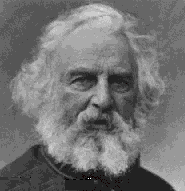
The archive's records place this poem second in Longfellow's book Poems on Slavery. The title of that book shows the poem belongs to a group written on the same subject. Longfellow lived from 1807 to 1882. The poem has been in this archive since 2004. It was Poem of the Day on 28 May 2014.
What readers have said
Joseph Valu reads the kingship less as literal rank than as a claim that the slave's worth is noble, and sees death as releasing the soul from human bondage. Joseph Valu, 2004
Sajana.v.s. reads the poem as a shift from reality to imagination, with slavery as the reality and freedom existing only in the slave's dream. Sajana.v.s., 2009
Mufasa called the poem racist and said the poet should be arrested. Mufasa, 2005
Natasha answered Mufasa that he was confusing current issues in Zimbabwe with a poem about how an African felt when taken as a slave and parted from his family. Natasha, 2005
joshua felt the sleep sounded more like a coma before death, admitted not fully understanding the poem, and asked others to explain it. joshua, 2010
W Leonard chose the poem as a favourite at primary school fifty-two years earlier, learnt it by heart, and valued how its rhythm changes from verse to verse to match the subject. W Leonard, 2006
Keep reading
Discover more of Henry Wadsworth Longfellow’s poetry.
This is a wonderful poem. It talks about about a slaveas he sleeps and dreams about is omeland. The beauties such as the Nile and th Niger rivers are mentioned, and animals are too. The freedom felt in the poem by the slave is from nature- "...forest, with their myriad tongues, shouted of liberty", and "...blast of the Desert cried aloud, with a voice so wild and free". The harshness of a slave's day does no live i his dream.
In my view: while the scene of the slave's death is graphic and pitiful the poet does not necessarily mean that that slave was kingly in his own native land but that his worth was so. Posssibly, Wadsworth was emphasizing that the essence of a slave's persona is akin to nobility and has attributes of freedom and domestic love and tranquility which are his/her very own right as a human being. Sadly, it took Death to release this soul from it's own human tabernacle, and from human bondage.
Joseph ValuUnited States
In my view: while the scene of the slave's death is graphic and pitiful, the dream is effulgent. Wadsworth may not have necessarily meant that the particular slave was a king in his native land but that slaves, like all persons, must be recognized as kingly(i.e.worthwhile) in the attributes of their own essence--their own persona; that one must remember that they are kingly in the attributes they possess as human beings :such as possessing love of life, of wife and children and freedom which alas took this slave's death to retrieve from the human tabernacle of his body, and from human bondage.
The poet poses this poem so gently. After reading it, I have a feeling like I were in the place of the slave. And I have a vision of his native land and it reminds me of my home land too. Then, the attachment for his family makes me a deep passionate matter. His tear is much more than the poet's words. And i can see the sorrow and miss of the slave. The slave put the nature's essential in a worthy place of his…
Read the whole comment
The poet poses this poem so gently. After reading it, I have a feeling like I were in the place of the slave. And I have a vision of his native land and it reminds me of my home land too. Then, the attachment for his family makes me a deep passionate matter. His tear is much more than the poet's words. And i can see the sorrow and miss of the slave. The slave put the nature's essential in a worthy place of his heart. Moreover, the longing for freedom of the slave melts inside my heart. After all, he gets the genuie freedom not from the driver but from the God.... In the first part of the poem, feeling is some sorrow with tense. But in the end, satisfy with freedom. This is the best poem in my likes.
This was an awesome poem. I am studying about social studies in my class. This is very touching. It is about a slave who wants his freedom really bad. I think that freedom is evident here.
ZoeyUnited States
OMG!! this poem is so touching!u gotta read it!
MayUnited States
I love this poem! It is so touching.The way he died...so sad.His children...Beautiful,just beautiful.
MufasaZimbabwe
This poem is so racist. This Poet should be arrested for this ignorance.
Mufasa from Zimbabwe, You confuse current issues in Zimbabwe with a beautiful poem expressing how an african felt when taken as a slave. He expressed the feelings of what he must have felt when he was taken away from his family. This can happen to anyone, especially in todays world, black white or asian. Look what is happening in our country. People are dying of hunger and are made to destroy their own homes. Re-read the poem Mufasa, Longfellow definitely expressed his views on Slavery through his expressive words!Or are you judging him as a white european? Too quick to judge!
esterGermany
i originally come from south africa and learnt this poem 43 years ago at school. i lent the book away and never got it back. now i finally found it again. it has haunted me all these years and i just love this poem. it still applies today - unfortunatly. ester
W LeonardUnited Kingdom
Fify two years ago my class at primary school was asked to choose their favourite poem from our poetry book. I cose this poem and learnt it by heart. I loved it becauase of the choice of words and the change in rhythmn in each verse which so matched the subject matter. Recently I chastised my own class of 18 year old biologists because they had not mastered the skill of learning for life. They challenged me to…
Read the whole comment
Fify two years ago my class at primary school was asked to choose their favourite poem from our poetry book. I cose this poem and learnt it by heart. I loved it becauase of the choice of words and the change in rhythmn in each verse which so matched the subject matter. Recently I chastised my own class of 18 year old biologists because they had not mastered the skill of learning for life. They challenged me to demonstrate something I had learnt in my youth and I gave them the first 2 verses of this poem. At home that night I tried to remember it all and on finding that I could not remember the 7th verse I looked it up! What joy to read it in its entirety again--absolutely stunning use of the English language!.
Ashley HanUnited States
The poem (The Slave`s Dream) is a touching poem, I could feel how the slave dreamed. If I was the slave I will have alot of things that I would dream of too. I like this poem because of the heart touching words.
Leslie JohnsonUnited States
ok i dont like this peom......seriously speakin i dont like POETRY in the first place cos...i tink poetry is so totally useless in life.....i mean common ok, if one s doin medicine...den wat is de use of a poem...i mean u cant expect dem 2 repeat poetry n do a surgery!!!!!
Leslie: Poems might not directly be linked to subjects such as medicine, but they help to share emotions and experiences, like painting a picture with words, using emotive language and striking imagery. You may not like this type of poetry, but I find it hard to believe you dislike ALL poetry...perhaps you just haven't found one written in a style and on a subject you feel you can personally relate to? You cannot…
Read the whole comment
Leslie: Poems might not directly be linked to subjects such as medicine, but they help to share emotions and experiences, like painting a picture with words, using emotive language and striking imagery. You may not like this type of poetry, but I find it hard to believe you dislike ALL poetry...perhaps you just haven't found one written in a style and on a subject you feel you can personally relate to? You cannot concentrate learning on one subject and area. I plan to be a doctor myself one day, and I adore poetry and appreciate it. By making comments like your one you are only highlighting your lack of understanding on the issue itself. (I'm sixteen, and people often wrongly get a misled idea about "youth today" being ignorant and unappreciative, so I hope I at least stand against that.)
Josie EstillUnited States
This poem came back to me today as I was sitting on a beach on Bonaire, who knows why. I learned it 50 years ago at school in London as a poetry reading assignment --- had to memorize it and then recite it at a large public event. At the age of 12 it had a great effect on me, and still does. Sitting on the beach today, I could only remember the first two verses, somewhat mixed up even, but it touched me deeply…
Read the whole comment
This poem came back to me today as I was sitting on a beach on Bonaire, who knows why. I learned it 50 years ago at school in London as a poetry reading assignment --- had to memorize it and then recite it at a large public event. At the age of 12 it had a great effect on me, and still does. Sitting on the beach today, I could only remember the first two verses, somewhat mixed up even, but it touched me deeply again. I came back and looked it up, re-read it several times again --- probably with a lot more feeling and understanding than I had so long ago. I wish I had the opportunity to thank the teacher who introduced me to the beauty of these words ... and became part of the impetus for me to visit the US (intending to stay a few years) 40 years ago. Plans changed when I met my husband five weeks after arriving in NYC... I'm still saddened by these words, especially so as I realize how prevalent slavery still is in our world ... when will we learn?
Leslie from the United States, you make Americans seem ignorant to poetry. Before you decide to bash on another person's poetry, first you should learn how to write proper english because you've made yourself look ridiculous. On the other hand, I found the imagery from this poem to be beautiful and well written. And Mufasa, this is not racist at all, it's not about that. It's about a young man yearning for his old life in Africa, the beauty of letting go.
I'm sorry, I accedentaly pressed enter, but as i was saying to Leslie Johnson from the United States, poetry brings beauty to life, something we are loseing. It has its unique way of saying things. Do you like music? What is the purpose of music? Well, let me tell you somthing, music is a poem, a lyric poem to be exact. Something, I'm pretty sure, you can't understand Oh and by the way, are you in first grade? It's because of people like you we're losing the English language.
well, leslie, that was a pretty drastic comment to make. It is, ofcourse, your business entirely, but maybe you ought to think of reading and enjoying poetry as a 'person' and not as a Doctor. true, you may not be able to recite poetry in an OT, but maybe when you have kids, you could introduce them to the beauty of words?
saikat chakrabartiIndia
I was wondering just how far the american society has travelled from the day this poem was written to yesterday's democrat nomination of Barack Obama through the civil liberties movement of 1963 by MLK jr
Sajana.v.s.India
theme of the poem
In this poem we can see a shift from reality to imagination.Here slavery(or bontage) stands for reality and freedom stands for imagination.Freedom is only the dream of the slave.
joshuaUnited Kingdom
Americans
the analysis of this poem is the problem with slavery in the 1800s. the slave 'sleeping' was just and illusion of life, it sounds more like he past into a coma before he died, i've read this poem quite alot and i still don't get the full meaning of it, if anybody could try to explain the rest of the poem to me I would be very greatful.
MIKANIndia
wundrful
THIS POEM IS ONE OF THE MOST BEUTIFUL , AND TOUCHING POEMS I HAVE EVER READ ................ TEARS CAME TO MY EYES AFTER READING THIS POEM.........
MIKANIndia
GR8
GR8 POEM....BROUGHT TEARS TO MY EYES............
Marion KeirsUnited Kingdom
I was introduced to this poem by my primary teacher at Eastern School in Broughty Ferry, Scotland, almost 60 years ago. For me it has lost none of its sadness and beauty.
stan simpsonCanada
the slaves dream
while in the virgin islands recently and seeing the remains of sugar factories, and learning that they were operated by slaves, reminded me of this poem that I learned at priamery school in Ireland over 60 years ago. Reading it again brings tears. SJS

This is a wonderful poem. It talks about about a slaveas he sleeps and dreams about is omeland. The beauties such as the Nile and th Niger rivers are mentioned, and animals are too. The freedom felt in the poem by the slave is from nature- "...forest, with their myriad tongues, shouted of liberty", and "...blast of the Desert cried aloud, with a voice so wild and free". The harshness of a slave's day does no live i his dream.
In my view: while the scene of the slave's death is graphic and pitiful the poet does not necessarily mean that that slave was kingly in his own native land but that his worth was so. Posssibly, Wadsworth was emphasizing that the essence of a slave's persona is akin to nobility and has attributes of freedom and domestic love and tranquility which are his/her very own right as a human being. Sadly, it took Death to release this soul from it's own human tabernacle, and from human bondage.
In my view: while the scene of the slave's death is graphic and pitiful, the dream is effulgent. Wadsworth may not have necessarily meant that the particular slave was a king in his native land but that slaves, like all persons, must be recognized as kingly(i.e.worthwhile) in the attributes of their own essence--their own persona; that one must remember that they are kingly in the attributes they possess as human beings :such as possessing love of life, of wife and children and freedom which alas took this slave's death to retrieve from the human tabernacle of his body, and from human bondage.
The poet poses this poem so gently. After reading it, I have a feeling like I were in the place of the slave. And I have a vision of his native land and it reminds me of my home land too. Then, the attachment for his family makes me a deep passionate matter. His tear is much more than the poet's words. And i can see the sorrow and miss of the slave. The slave put the nature's essential in a worthy place of his…
Read the whole commentThe poet poses this poem so gently. After reading it, I have a feeling like I were in the place of the slave. And I have a vision of his native land and it reminds me of my home land too. Then, the attachment for his family makes me a deep passionate matter. His tear is much more than the poet's words. And i can see the sorrow and miss of the slave. The slave put the nature's essential in a worthy place of his heart. Moreover, the longing for freedom of the slave melts inside my heart. After all, he gets the genuie freedom not from the driver but from the God....
In the first part of the poem, feeling is some sorrow with tense. But in the end, satisfy with freedom.
This is the best poem in my likes.
This was an awesome poem. I am studying about social studies in my class. This is very touching. It is about a slave who wants his freedom really bad. I think that freedom is evident here.
OMG!! this poem is so touching!u gotta read it!
I love this poem! It is so touching.The way he died...so sad.His children...Beautiful,just beautiful.
This poem is so racist. This Poet should be arrested for this ignorance.
Mufasa from Zimbabwe,
You confuse current issues in Zimbabwe with a beautiful poem expressing how an african felt when taken as a slave. He expressed the feelings of what he must have felt when he was taken away from his family. This can happen to anyone, especially in todays world, black white or asian. Look what is happening in our country. People are dying of hunger and are made to destroy their own homes. Re-read the poem Mufasa, Longfellow definitely expressed his views on Slavery through his expressive words!Or are you judging him as a white european? Too quick to judge!
i originally come from south africa and learnt this poem 43 years ago at school. i lent the book away and never got it back. now i finally found it again. it has haunted me all these years and i just love this poem. it still applies today - unfortunatly. ester
Fify two years ago my class at primary school was asked to choose their favourite poem from our poetry book. I cose this poem and learnt it by heart. I loved it becauase of the choice of words and the change in rhythmn in each verse which so matched the subject matter. Recently I chastised my own class of 18 year old biologists because they had not mastered the skill of learning for life. They challenged me to…
Read the whole commentFify two years ago my class at primary school was asked to choose their favourite poem from our poetry book. I cose this poem and learnt it by heart. I loved it becauase of the choice of words and the change in rhythmn in each verse which so matched the subject matter. Recently I chastised my own class of 18 year old biologists because they had not mastered the skill of learning for life. They challenged me to demonstrate something I had learnt in my youth and I gave them the first 2 verses of this poem. At home that night I tried to remember it all and on finding that I could not remember the 7th verse I looked it up! What joy to read it in its entirety again--absolutely stunning use of the English language!.
The poem (The Slave`s Dream) is a touching poem, I could feel how the slave dreamed. If I was the slave I will have alot of things that I would dream of too. I like this poem because of the heart touching words.
ok i dont like this peom......seriously speakin i dont like POETRY in the first place cos...i tink poetry is so totally useless in life.....i mean common ok, if one s doin medicine...den wat is de use of a poem...i mean u cant expect dem 2 repeat poetry n do a surgery!!!!!
Leslie: Poems might not directly be linked to subjects such as medicine, but they help to share emotions and experiences, like painting a picture with words, using emotive language and striking imagery. You may not like this type of poetry, but I find it hard to believe you dislike ALL poetry...perhaps you just haven't found one written in a style and on a subject you feel you can personally relate to? You cannot…
Read the whole commentLeslie: Poems might not directly be linked to subjects such as medicine, but they help to share emotions and experiences, like painting a picture with words, using emotive language and striking imagery. You may not like this type of poetry, but I find it hard to believe you dislike ALL poetry...perhaps you just haven't found one written in a style and on a subject you feel you can personally relate to? You cannot concentrate learning on one subject and area. I plan to be a doctor myself one day, and I adore poetry and appreciate it. By making comments like your one you are only highlighting your lack of understanding on the issue itself. (I'm sixteen, and people often wrongly get a misled idea about "youth today" being ignorant and unappreciative, so I hope I at least stand against that.)
This poem came back to me today as I was sitting on a beach on Bonaire, who knows why. I learned it 50 years ago at school in London as a poetry reading assignment --- had to memorize it and then recite it at a large public event. At the age of 12 it had a great effect on me, and still does. Sitting on the beach today, I could only remember the first two verses, somewhat mixed up even, but it touched me deeply…
Read the whole commentThis poem came back to me today as I was sitting on a beach on Bonaire, who knows why. I learned it 50 years ago at school in London as a poetry reading assignment --- had to memorize it and then recite it at a large public event. At the age of 12 it had a great effect on me, and still does. Sitting on the beach today, I could only remember the first two verses, somewhat mixed up even, but it touched me deeply again. I came back and looked it up, re-read it several times again --- probably with a lot more feeling and understanding than I had so long ago. I wish I had the opportunity to thank the teacher who introduced me to the beauty of these words ... and became part of the impetus for me to visit the US (intending to stay a few years) 40 years ago. Plans changed when I met my husband five weeks after arriving in NYC...
I'm still saddened by these words, especially so as I realize how prevalent slavery still is in our world ... when will we learn?
Leslie from the United States, you make Americans seem ignorant to poetry. Before you decide to bash on another person's poetry, first you should learn how to write proper english because you've made yourself look ridiculous. On the other hand, I found the imagery from this poem to be beautiful and well written. And Mufasa, this is not racist at all, it's not about that. It's about a young man yearning for his old life in Africa, the beauty of letting go.
I'm sorry, I accedentaly pressed enter, but as i was saying to Leslie Johnson from the United States, poetry brings beauty to life, something we are loseing. It has its unique way of saying things. Do you like music? What is the purpose of music? Well, let me tell you somthing, music is a poem, a lyric poem to be exact. Something, I'm pretty sure, you can't understand Oh and by the way, are you in first grade? It's because of people like you we're losing the English language.
well, leslie, that was a pretty drastic comment to make. It is, ofcourse, your business entirely, but maybe you ought to think of reading and enjoying poetry as a 'person' and not as a Doctor. true, you may not be able to recite poetry in an OT, but maybe when you have kids, you could introduce them to the beauty of words?
I was wondering just how far the american society has travelled from the day this poem was written to yesterday's democrat nomination of Barack Obama through the civil liberties movement of 1963 by MLK jr
theme of the poem
In this poem we can see a shift from reality to imagination.Here slavery(or bontage) stands for reality and freedom stands for imagination.Freedom is only the dream of the slave.
Americans
the analysis of this poem is the problem with slavery in the 1800s. the slave 'sleeping' was just and illusion of life, it sounds more like he past into a coma before he died, i've read this poem quite alot and i still don't get the full meaning of it, if anybody could try to explain the rest of the poem to me I would be very greatful.
wundrful
THIS POEM IS ONE OF THE MOST BEUTIFUL , AND TOUCHING POEMS I HAVE EVER READ ................
TEARS CAME TO MY EYES AFTER READING THIS POEM.........
GR8
GR8 POEM....BROUGHT TEARS TO MY EYES............
I was introduced to this poem by my primary teacher at Eastern School in Broughty Ferry, Scotland, almost 60 years ago. For me it has lost none of its sadness and beauty.
the slaves dream
while in the virgin islands recently and seeing the remains of sugar factories, and learning that they were operated by slaves, reminded me of this poem that I learned at priamery school in Ireland over 60 years ago. Reading it again brings tears. SJS