Leisure, thou goddess of a bygone age,
When hours were long and days sufficed to hold
Wide-eyed delights and pleasures uncontrolled
By shortening moments, when no gaunt presage
Of undone duties, modern heritage,
Haunted our happy minds; must thou withhold
Thy presence from this over-busy world,
And bearing silence with thee disengage
Our twined fortunes? Deeps of unhewn woods
Alone can cherish thee, alone possess
Thy quiet, teeming vigor. This our crime:
Not to have worshipped, marred by alien moods
That sole condition of all loveliness,
The dreaming lapse of slow, unmeasured time.
✦
Analysis
Leisure: analysis
Introduction
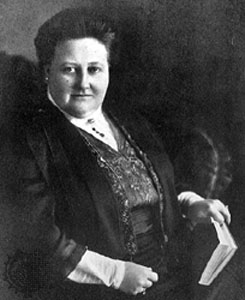
"Leisure" is a sonnet by Amy Lowell addressed to Leisure as a goddess. The speaker looks back to a time when days were long and pleasure was free. That time came before the "over-busy world" and its nagging sense of "undone duties".
The speaker asks whether Leisure must now withdraw. Only deep, uncut woods still hold her. The poem ends with a confession of guilt. Our crime is that we failed to honour "The dreaming lapse of slow, unmeasured time".
Summary
The poem is a single stanza of fourteen lines, so this summary follows its movements. It opens by calling Leisure a "goddess of a bygone age". In that age "hours were long" and days could hold "Wide-eyed delights". Pleasures were not cut short by "shortening moments". No "gaunt presage" of duties left undone haunted "our happy minds".
In lines 6 to 9 the speaker asks a question. Must Leisure withhold her presence "from this over-busy world"? Must she take silence with her and separate her fortunes from ours? The question ends in the middle of line 9.
The speaker then answers it. Only "Deeps of unhewn woods" can still cherish Leisure. Only they possess her "quiet, teeming vigor". The woods have kept what people have lost.
The last three lines name a fault: "This our crime". The crime is "Not to have worshipped" leisure. The speaker says we were "marred by alien moods". What we failed to worship was "That sole condition of all loveliness". The final line defines it as "The dreaming lapse of slow, unmeasured time."
Themes and meaning
The main theme is the loss of leisure in modern life. The poem contrasts a "bygone age" with "this over-busy world". The phrase "modern heritage" names what the present has inherited: a constant "presage / Of undone duties". Leisure is not only free time but a state of mind, free from worry about what should be done next.
A second theme is time itself. In the past "hours were long" and days "sufficed". Now moments are "shortening". The ideal is time that is "slow" and "unmeasured", not counted by clocks or schedules. The poem suggests that measuring time is part of what destroys it.
A third theme is guilt and worship. Leisure is a "goddess", and failing to honour her is called "our crime". This raises leisure from a luxury to a duty. The speaker blames us, not Leisure, for her withdrawal.
The last theme is leisure as the source of beauty. The poem calls it "That sole condition of all loveliness". Beauty, on this reading, needs slow time and silence to exist. Nature keeps this condition in "unhewn woods", which are untouched by work. Leisure there is not idle but has "teeming vigor", full of life.
Tone
The tone is formal, regretful and gently accusing. The poem opens with the high style of an address to a goddess: "Leisure, thou goddess". The first lines are warm with memory of "Wide-eyed delights" and "happy minds".
The mood darkens with "gaunt presage" and "Haunted". These words make modern worry sound like a ghost or a threat. The long question in lines 6 to 9 sounds pleading.
The answer that follows is plain and resigned. The woods "Alone" can keep Leisure. The close turns to self-blame with "This our crime". The last line softens again. Its long vowels and slow rhythm let the reader feel the leisure the speaker has lost.
Form and structure
The poem is a sonnet of 14 lines in 1 stanza. Lines run from 8 to 11 syllables, and the metre is iambic pentameter with some extra syllables. "When hours were long and days sufficed to hold" is regular.
The computed rhyme scheme is ABBCDBEAFGHI?H. The words "hold", "uncontrolled" and "withhold" rhyme, and "world" is a near rhyme with them. The word "age" rhymes with "disengage", and in the last lines "crime" rhymes with "time". The words "woods" and "moods" look alike but sound different. The layout follows an Italian sonnet, with a turn in the middle of line 9 from question to answer.
Poetic devices
Apostrophe line 1
Leisure, thou goddess of a bygone age The speaker addresses Leisure directly. The address sets a formal, almost religious tone.
Personification line 1
thou goddess Leisure becomes a goddess who can be present or absent. This prepares for the charge that we failed to worship her.
Personification line 6
Haunted our happy minds The sense of duty haunts like a ghost. Worry is given a will of its own.
Alliteration line 6
Haunted our happy minds The two h sounds tie the threat to what it threatens.
Rhetorical question line 6
must thou withhold The question runs over lines 6 to 9. It is a lament more than a request for an answer.
Caesura line 9
Our twined fortunes? Deeps of unhewn woods The question mark in mid-line marks the turn. The poem moves from complaint to the one place Leisure survives.
Paradox line 11
quiet, teeming vigor Quiet and teeming seem opposed. The phrase presents leisure as stillness full of life.
Metaphor line 11
This our crime Neglecting leisure is treated as a crime. It turns a lifestyle into a moral failing.
Assonance line 14
slow, unmeasured time The long vowels slow the final line. The sound enacts the unhurried time it praises.
Words worth knowing
presage
A foreboding, a sign of something to come. Here it is a nagging sense of duties waiting.
disengage
To separate or detach. Leisure would part her fate from ours.
twined
Twisted together, as threads are. Our fortunes and Leisure's were once joined.
unhewn
Not cut down. The woods have not been cleared for work or use.
alien
Foreign or unnatural. The moods are foreign to leisure, or to our true nature.
lapse
A gentle gliding or passing, as of water or time. It does not mean a failure here.
Context
Amy Lowell lived from 1874 to 1925. The archive lists "Leisure" in her collection A Dome of Many-Coloured Glass, published in 1912. It has been on americanpoems.com since February 2004. It was Poem of the Day on October 26, 2010. Readers left 6 comments on it between 2004 and 2019.
What readers have said
Mr. Mcjagger argues that leisure is reached only through work. Once found, it leaves us thinking about what else we could be doing. Mr. Mcjagger, 2019
Hannah enjoyed the poem and planned to use it for a school project. hannah, 2004
Leisure is a beutiful poem by a very pronound author. I enjoyed this poem very much and plan to use it for my project. so thankyou to this website and to Amy Lowell.
RaoUnited States
Delightful poem indeed. Thank you.
janieUnited States
WOw! what an amazing poem by such an inspiring author!
Mr. Mcjagger
Ms. Lowell's poem is very intriguing to me in this modern age. We all are seeking for the leisure in our lives but it is only when we work that we may be able to achieve it. Seeking for leisure is an ill-fated ideal as once one finds it, it leaves us in the midst of our own minds thinking of what else we may be doing with our time.
Interesting take. I sometimes think about leisure in conjunction with all of our tech gadgets of the modern age - cell phones, tablets, streaming televisions shows. It's difficult to completely unwind and focus on simple things like reading a book, because the back of my mind keeps pulling me in another direction.
Lily
What themes and imagery is she creating in this poem?
Leisure is a beutiful poem by a very pronound author. I enjoyed this poem very much and plan to use it for my project. so thankyou to this website and to Amy Lowell.
Delightful poem indeed. Thank you.
WOw! what an amazing poem by such an inspiring author!
Ms. Lowell's poem is very intriguing to me in this modern age. We all are seeking for the leisure in our lives but it is only when we work that we may be able to achieve it. Seeking for leisure is an ill-fated ideal as once one finds it, it leaves us in the midst of our own minds thinking of what else we may be doing with our time.
Interesting take. I sometimes think about leisure in conjunction with all of our tech gadgets of the modern age - cell phones, tablets, streaming televisions shows. It's difficult to completely unwind and focus on simple things like reading a book, because the back of my mind keeps pulling me in another direction.
What themes and imagery is she creating in this poem?