A woman I have never seen before
Steps from the darkness of her town-house door
At just that crux of time when she is made
So beautiful that she or time must fade.
What use to claim that as she tugs her gloves
A phantom heraldry of all the loves
Blares from the lintel? That the staggered sun
Forgets, in his confusion, how to run?
Still, nothing changes as her perfect feet
Click down the walk that issues in the street,
Leaving the stations of her body there
Like whips that map the countries of the air.
✦
Analysis
Transit: analysis
Introduction
This is a twelve-line poem about a stranger glimpsed for a moment. A woman the speaker has never seen steps out of her town-house door and walks to the street. She seems to be at the very peak of her beauty, a point where either she or time must give way.
The speaker is tempted to claim that the world stops for her. He then admits that nothing changes. Time runs on and she walks away. Yet her passing leaves a trace, like the lines a whip cuts in the air. The poem sets the wish to halt a beautiful moment against the plain fact of motion.
Summary
In the first stanza a woman the speaker has never seen before steps out of a town house. She comes from "the darkness of her town-house door" into the light. The speaker says she appears at "just that crux of time" when she is at her most beautiful. She is so beautiful that "she or time must fade".
The second stanza asks two questions. The first is what use it would be to make a claim about her. As she tugs on her gloves, a "phantom heraldry" of all the loves might blare from the lintel above her door. The second question asks what use to claim that the sun is stunned. In this picture the "staggered sun" forgets, in his confusion, how to run.
The third stanza answers the questions. "Still, nothing changes" as she walks away. Her "perfect feet" click down the walk that leads into the street. She leaves the "stations of her body" behind her. They hang in the air like whips that map "the countries of the air".
Themes and meaning
Beauty and time form the central theme. Line 4 says she is "So beautiful that she or time must fade". Beauty this complete seems to demand that time stop. The line also implies the opposite, that if time does not stop, her beauty must fade. The poem holds both outcomes in one sentence.
The limits of poetic exaggeration are a second theme. The middle stanza imagines trumpets of heraldry and a sun too stunned to move. These are the claims love poetry often makes. The speaker asks "What use to claim" them, so he raises the grand images and doubts them at once. The poem stays honest about what really happens.
Motion and its traces form a third theme. The title, Transit, names passage from one place to another. The phrase "Still, nothing changes" plays on the word still, meaning both nevertheless and motionless. The woman keeps moving, yet the last two lines picture her body leaving "stations" behind. Each position stays in the air like the arc of a cracked whip, so the moment is not frozen, but it is marked.
The stranger seen once is a further theme. She is a woman "I have never seen before". The speaker knows nothing of her and does not speak to her. The poem is about the force of a glimpse, and about how much the watcher brings to it.
Tone
The tone begins in hushed admiration. The opening lines are calm and precise, but the claim in line 4 is dramatic. The beauty is so complete that something must give.
The second stanza turns self-mocking. "What use to claim" sets up its own extravagant images only to question them. A "phantom heraldry" that "Blares" and a sun "in his confusion" are knowingly overblown.
The third stanza is sober and wry. "Still, nothing changes" deflates the fantasy. The final image recovers wonder in a different key. It is sharp and exact rather than grand. The speaker ends admiring her motion rather than wishing to stop it.
Form and structure
The poem has 12 lines in three quatrains. Every line has exactly ten syllables. The metre is regular iambic pentameter, with stress falling on every second syllable.
The lines rhyme in couplets, AABB in each stanza. Rhymed pentameter couplets like these are often called heroic couplets. The tidy pattern suits the poem's measured voice, and the middle stanza is built as two questions, and the third gives the answer. The firm couplets make the poem's turn at "Still" clear and decisive.
Poetic devices
Paradox line 4
So beautiful that she or time must fade Perfect beauty sets up a contest with time. One of them must give way, and the line does not say which.
Rhetorical question line 5
What use to claim that as she tugs her gloves The question raises grand claims and doubts them in the same breath. It lets the poem enjoy the fantasy without endorsing it.
Hyperbole line 8
Forgets, in his confusion, how to run? The sun is imagined too stunned to move. The exaggeration is offered and then questioned.
Personification line 7
the staggered sun The sun reels like a dazzled admirer. The image plays on the old idea of time stopping for beauty.
Metaphor line 6
A phantom heraldry of all the loves Her doorway is imagined trumpeting like a herald. The word phantom marks the pageant as imaginary.
Pun line 9
Still, nothing changes The word still means both nevertheless and motionless. Time is not still, though the speaker half wishes it were.
Onomatopoeia line 10
Click down the walk The sound of her heels brings the poem back to ordinary reality after the fantasy of the middle stanza.
Simile line 12
Like whips that map the countries of the air Her passing positions are likened to the lines a whip traces. The air becomes a map marked by her movement.
Contrast line 2
Steps from the darkness of her town-house door She emerges from darkness into view. The contrast frames her appearance as a sudden revelation.
Words worth knowing
crux
A crucial point. Here, the exact moment where beauty peaks.
heraldry
Coats of arms and the pageantry of heralds, who announced nobles with trumpets.
lintel
The horizontal beam over a doorway.
issues
Leads out into. The walk ends at the street.
stations
Positions or stopping points. Her body's successive positions seem to hang in the air behind her.
Transit
Passage across or through. In astronomy, also the passing of one body across another.
What readers have said
Rusty Merenda read it on a New York subway train and found it fitting to read while commuting, held above all by the closing whip image. Rusty Merenda, 2009
John Conolley reads "crux of time" as a single moment that stands out of time and haunts the speaker long afterwards. John Conolley, 2023
John Conolley also takes the last line as a purely visual image, having seen whips seem to reveal alcoves in the air. John Conolley, 2023
I first reasd this poem while riding on a NYC subway when I was dispalyed as part of some sort of promotion. It seemed so appropriate to be reading it while "commuting" as is the subject in the poem. I was particularly captured by the imagery of a "whip mapping the countries of the air". Neeldess to say I have never forgotten it.
I hate to put a poem in prose, because so much is lost. Still, it might help a little. The tricky parts, to my mind, are "crux of time," "what use to claim," walk that issues", and "map the countries of the air." I feel that "crux of time" seeks to capture how a single moment can stand out in, or seemingly outside of, time. It just a woman stepping onto the street, but the moment separates itself from the moment…
Read the whole comment
I hate to put a poem in prose, because so much is lost. Still, it might help a little. The tricky parts, to my mind, are "crux of time," "what use to claim," walk that issues", and "map the countries of the air."
I feel that "crux of time" seeks to capture how a single moment can stand out in, or seemingly outside of, time. It just a woman stepping onto the street, but the moment separates itself from the moment before or the moment after, and haunts him long after.
"What use to claim" means he doesn't claim the phantom heraldry or the staggered sun are real. But he feels them anyway.
The "walk that issues" suggests that the walk only comes into existence (or enters his attention) as her feet create it.
A whip mapping the countries of air is something I've seen many times. I suppose you have to see it yourself, but switching or dancing a whip in the air seems to outline shapes of something that can't be seen before or after, and can never be seen at all without the whip.
That's where I first saw it. The program, as I remember, was called "Poetry in Motion." It was poems about New York and about travel. I thing it was just to make the ride nicer.
It wasn't a promotion. It was a program called "Poetry in Motion," which posted poems about New York and the transit system in the trains to give the riders something to look at.
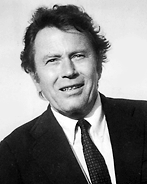
I first reasd this poem while riding on a NYC subway when I was dispalyed as part of some sort of promotion. It seemed so appropriate to be reading it while "commuting" as is the subject in the poem. I was particularly captured by the imagery of a "whip mapping the countries of the air". Neeldess to say I have never forgotten it.
Poem analysis
Can anyone analyze this poem, especially the last line?
I hate to put a poem in prose, because so much is lost. Still, it might help a little. The tricky parts, to my mind, are "crux of time," "what use to claim," walk that issues", and "map the countries of the air." I feel that "crux of time" seeks to capture how a single moment can stand out in, or seemingly outside of, time. It just a woman stepping onto the street, but the moment separates itself from the moment…
Read the whole commentI hate to put a poem in prose, because so much is lost. Still, it might help a little.
The tricky parts, to my mind, are "crux of time," "what use to claim," walk that issues", and "map the countries of the air."
I feel that "crux of time" seeks to capture how a single moment can stand out in, or seemingly outside of, time. It just a woman stepping onto the street, but the moment separates itself from the moment before or the moment after, and haunts him long after.
"What use to claim" means he doesn't claim the phantom heraldry or the staggered sun are real. But he feels them anyway.
The "walk that issues" suggests that the walk only comes into existence (or enters his attention) as her feet create it.
A whip mapping the countries of air is something I've seen many times. I suppose you have to see it yourself, but switching or dancing a whip in the air seems to outline shapes of something that can't be seen before or after, and can never be seen at all without the whip.
I hope that helps.
That's where I first saw it. The program, as I remember, was called "Poetry in Motion." It was poems about New York and about travel. I thing it was just to make the ride nicer.
It wasn't a promotion. It was a program called "Poetry in Motion," which posted poems about New York and the transit system in the trains to give the riders something to look at.
I'd say the last line is strictly a visual image. I've seen whips appear to reveal levels and alcoves in the air.