Never more will the wind
cherish you again,
never more will the rain.
Never more
shall we find you bright
in the snow and wind.
The snow is melted,
the snow is gone,
and you are flown:
Like a bird out of our hand,
like a light out of our heart,
you are gone.
✦
Analysis
Never More Will The Wind: analysis
Introduction
"Never More Will The Wind" is a short lament in four three-line stanzas. It speaks to someone, or something, that is gone. The wind and rain will never again "cherish" this "you," and "we" will never again find it bright in the snow.
The snow has melted, and the "you" has "flown." The poem closes with two similes of loss, a bird leaving the hand and a light leaving the heart. The poem never says who or what "you" is. It is a poem of grief, told in a few plain words and much repetition.
Summary
The poem opens with a promise of absence. The wind will never cherish "you" again. Neither will the rain. The stanza speaks as if these forces once cared for the one addressed.
The second stanza shifts to "we." Never again, the speaker says, will we find you "bright / in the snow and wind." The stanza again looks back to a time when the one addressed could be found.
The third stanza describes the present. "The snow is melted," and "the snow is gone." The speaker then says that "you are flown." The stanza ends with a colon, leading into the last.
The final stanza gives two comparisons. The one addressed is gone "Like a bird out of our hand." The one addressed is also gone "like a light out of our heart." The poem ends with the short line "you are gone." It repeats the word "gone" from the third stanza and adds nothing after it.
Themes and meaning
The main theme is loss that cannot be undone. The phrase "Never more" appears three times in the first two stanzas. It closes off every hope of return. The last line states the loss flatly: "you are gone."
A second theme is nature as a companion to the lost one. Line 2 implies that the wind and rain once cherished the "you." The "you" was found "bright / in the snow and wind." Natural things share the loss, as if they too have been bereaved. The poem can be read as placing the lost one in a winter landscape that has now thawed away.
A third theme is the passing of a season. "The snow is melted, / the snow is gone." The melting marks the end of the time when the "you" could be found. Loss and the change of season happen together. The poem does not say whether spring brings any comfort.
A fourth theme is shared grief. The speaker uses "we" and "our," not "I" and "my." The loss belongs to a group. The similes of "our hand" and "our heart" suggest people who once held the lost one close.
The poem leaves open who or what is mourned. The "you" could be a person who has died or left. It could also be read as a bird, a flower or a season, since it was found "bright" in snow and has "flown." The final similes suggest the loss was dear and hard to hold.
Tone
The tone is quiet, sorrowful and resigned. The repeated "Never more" sounds like a slow knell. There is no anger in the poem and no protest.
The middle stanzas are plain and factual. "The snow is melted" reads like a simple report. The calm makes the loss seem settled and final.
The last stanza grows more tender. The images of a bird in the hand and a light in the heart are intimate. The final line, "you are gone," is short and bare. It ends the poem on acceptance rather than hope.
Form and structure
The poem has 12 lines in 4 stanzas of 3 lines each. It is free verse with no regular metre. The lines are very short, from 3 to 8 syllables.
There is little true rhyme. The word "wind" ends line 1 and line 6, and "gone" ends line 8 and line 12. Repetition does most of the patterning: "Never more," "the snow," and "like a." The last stanza's two parallel similes are the longest lines. They lead to the shortest line, "you are gone."
Poetic devices
Personification line 2
cherish you again The wind is said to cherish, as a person would. It makes nature a loving companion of the lost one.
Anaphora line 3
never more will the rain The phrase repeats the opening of line 1. The echo turns the loss into a refrain.
Imagery line 5
shall we find you bright The lost one is remembered as shining. The brightness is set against the white of snow in the next line.
Repetition line 8
the snow is gone "the snow" repeats from line 7. The repeated phrase makes the melting feel slow and complete.
Metaphor line 9
and you are flown The lost one has flown, like a bird. It prepares for the simile in the next line.
Simile line 10
Like a bird out of our hand A bird that escapes the hand cannot be caught again. The image stresses how easily and finally the loss happened.
Simile line 11
like a light out of our heart The loss is an inner darkness. The line matches line 10 in shape, balancing an outward and an inward loss.
Epistrophe line 12
you are gone. "gone" repeats from line 8. The short final line closes the poem on the plainest statement of loss.
Words worth knowing
cherish
To hold dear and care for tenderly.
flown
Flown away; departed, as a bird does.
Never more
Never again. The two-word form gives the phrase a solemn sound.
Context
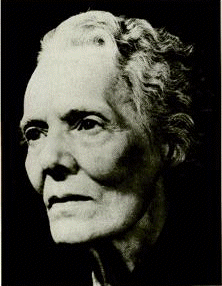
H. D. lived from 1886 to 1961. "Never More Will The Wind" has been on americanpoems.com since 2003. Readers left 5 comments on it between 2005 and 2020.
What readers have said
Nicole suggests that if the poem is about death, it treats it simply and warmly, almost invitingly. Nicole, 2005
Erin finds that the poem makes the death of a loved one sound almost romantic. This reader sees in it the wish to be loved and missed. Erin, 2005
Hellet praises the poem as simple, with a powerful message. Hellet, 2020
Christopher M Jenkins answers with a poem of this reader's own, built on the refrain never more. Christopher M Jenkins, 2010
If this poem is about death it is simplistic and warm, inviting one might say?
ErinUnited States
This poem is so beautifully written, it almost makes the tragedy of a loved one's death sound somewhat romantic. It makes you cry, and feel the beauty of love at the same time. We all want to be loved and missed like H.D describes in this poem.
Christopher M JenkinsCanada
Never More
A thousand voices
But none would listen
A song being sung
But no heart was heard
Oh how they cry out
For a hand of lending
But only show scar 's
Of a pain never ending
Never more!
Like the poet once said
Never more
But thoughts of these
Are shurely dead
So the vision of this
Goes back in your head
In the fiery doubt
Of what i just said.................Never more my freind....never more!
Just an answer :1
VoinyalphonsoUnited States
purses
I am sure you will love for promotion code online
Hellet
Simple and one of the most beautiful poetic creations with the most powerful message.
If this poem is about death it is simplistic and warm, inviting one might say?
This poem is so beautifully written, it almost makes the tragedy of a loved one's death sound somewhat romantic. It makes you cry, and feel the beauty of love at the same time. We all want to be loved and missed like H.D describes in this poem.
Never More
A thousand voices
But none would listen
A song being sung
But no heart was heard
Oh how they cry out
For a hand of lending
But only show scar 's
Of a pain never ending
Never more!
Like the poet once said
Never more
But thoughts of these
Are shurely dead
So the vision of this
Goes back in your head
In the fiery doubt
Of what i just said.................Never more my freind....never more!
Just an answer :1
purses
I am sure you will love for promotion code online
Simple and one of the most beautiful poetic creations with the most powerful message.