I AM the people--the mob--the crowd--the mass.
Do you know that all the great work of the world is
done through me?
I am the workingman, the inventor, the maker of the
world's food and clothes.
I am the audience that witnesses history. The Napoleons
come from me and the Lincolns. They die. And
then I send forth more Napoleons and Lincolns.
I am the seed ground. I am a prairie that will stand
for much plowing. Terrible storms pass over me.
I forget. The best of me is sucked out and wasted.
I forget. Everything but Death comes to me and
makes me work and give up what I have. And I
forget.
Sometimes I growl, shake myself and spatter a few red
drops for history to remember. Then--I forget.
When I, the People, learn to remember, when I, the
People, use the lessons of yesterday and no longer
forget who robbed me last year, who played me for
a fool--then there will be no speaker in all the world
say the name: "The People," with any fleck of a
sneer in his voice or any far-off smile of derision.
The mob--the crowd--the mass--will arrive then.
✦
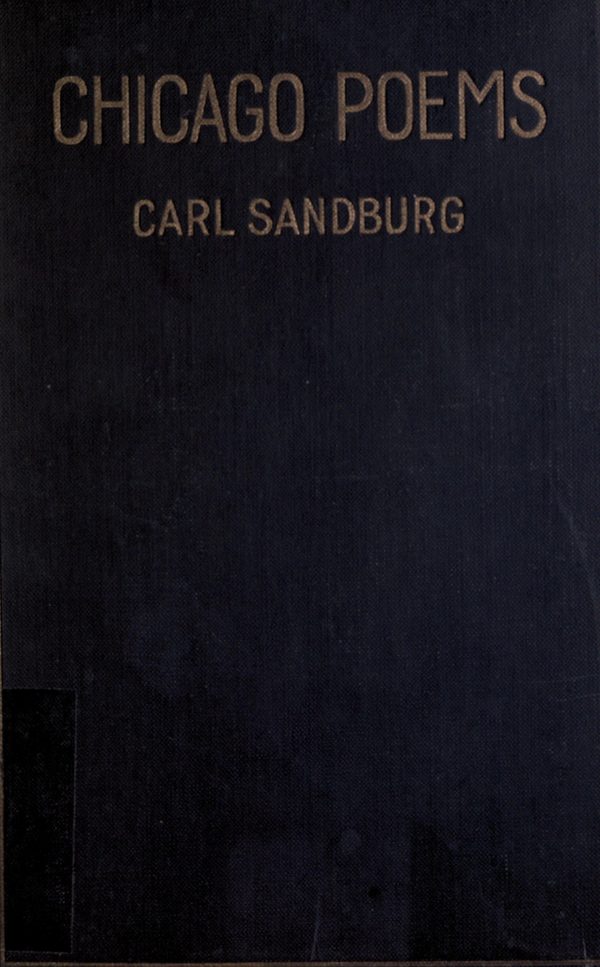
From the bookChicago PoemsFirst edition, Henry Holt, 1916
Analysis
I Am The People, The Mob: analysis
Introduction
"I Am The People, The Mob" is a monologue spoken by the common people as a single voice. The speaker claims that "all the great work of the world" is done through it. It produces workers, inventors, and even the great leaders of history.
Yet it has one weakness: it forgets. It is robbed and used, and it forgets again and again. The poem ends with a conditional promise. When the people learn to remember, no one will sneer at them, and the mob will truly "arrive".
Summary
Lines 1–5 introduce the speaker. "I AM the people--the mob--the crowd--the mass." It asks whether the listener knows that the world's great work is done through it. It names itself "the workingman, the inventor" and the maker of food and clothes.
Lines 6–8 describe its place in history. It is "the audience that witnesses history". Great men such as Napoleon and Lincoln come from it. "They die", and it sends forth more.
Lines 9–14 describe its endurance and its failing. It is "the seed ground" and "a prairie that will stand / for much plowing". Storms pass over it, and its best is "sucked out and wasted". Everything but Death makes it work and give up what it has. After each blow, it says "I forget".
Lines 15–16 describe its occasional revolts. "Sometimes I growl, shake myself and spatter a few red / drops for history to remember." Then it forgets again.
Lines 17–23 look ahead. When the people learn to remember, they will use "the lessons of yesterday". They will not forget "who robbed me last year" or "who played me for / a fool". Then no one will say "The People" with a sneer or a smile of derision. The last line declares that the mob, the crowd and the mass "will arrive then".
Themes and meaning
The central theme is the power and worth of ordinary people. The speaker claims all "the great work of the world" as its own. Food, clothes, inventions and even famous leaders come from it. The poem reverses the usual view in which the great few make history.
Forgetting is the second theme, and the poem's main criticism. "I forget" appears again and again. The people are robbed and "played" for fools, and then they forget. The poem presents this short memory as the reason they stay exploited.
A third theme is the cycle of history. Leaders rise and "die", and the people "send forth more". Revolts flare up in "a few red / drops" and are then forgotten. Nothing changes because nothing is remembered.
The poem also turns on a word. The word 'mob' is usually an insult, and the poem admits the "sneer" and "derision" in it. The last line reclaims the word. The mob that "will arrive" is the people come into their own.
The ending is ambiguous. The word 'arrive' may mean gain dignity and respect. It may also suggest a coming reckoning with those who robbed them. The text supports both, and readers take it both ways.
Tone
The tone begins as proud and assertive. "I AM the people" sounds like a declaration. The question "Do you know" challenges the listener.
In the middle the tone grows weary and self-critical. The repeated "I forget" is flat and resigned. Phrases such as "sucked out and wasted" carry bitterness.
There is a flash of menace in "Sometimes I growl". The "red / drops" hint at bloodshed, stated without apology. The people are not harmless.
The final section turns hopeful and firm. The conditional "When I, the People, learn to remember" looks forward. The last line has the confidence of a prophecy.
Form and structure
The poem has 23 lines in 1 stanza. It is free verse with no rhyme and no regular metre. Lines range from 2 to 15 syllables, and many sentences run over line ends.
The poem is a dramatic monologue with a collective speaker. Its structure rests on repetition. "I am" opens several statements in lines 4–9. "I forget" returns in lines 11–16, and once is split across a line break. Line 14, "forget.", is the shortest line.
Dashes separate the names in the first and last lines. The poem ends by repeating "The mob--the crowd--the mass", so it closes on its opening words, now in a new light. The repetition frames the whole speech.
Poetic devices
Accumulation line 1
the people--the mob--the crowd--the mass Four names for the same body are piled up. They move from dignified to insulting, so the speaker owns every label.
Rhetorical question line 2
Do you know that all the great work of the world is The question challenges the listener. It implies the answer is usually forgotten or denied.
Anaphora line 4
I am the workingman, the inventor The repeated 'I am' builds the speaker's claims one after another. It gives the monologue the force of a creed.
Allusion line 6
The Napoleons The plural turns famous men into types. Great leaders become products of the people rather than makers of history.
Metaphor line 9
I am the seed ground The people are soil from which everything grows. The image stresses both fertility and being used.
Refrain line 11
I forget. The short sentence recurs after each hardship. Its repetition enacts the forgetting it describes.
Personification line 15
Sometimes I growl, shake myself The crowd acts like a large animal waking. The image makes popular anger instinctive and brief.
Imagery line 15
spatter a few red The red drops suggest blood shed in uprisings. 'A few' makes these revolts sound small and quickly over.
Caesura line 16
Then--I forget. The dash forces a pause before the refrain. The break mimics the moment when anger fades.
Circular structure line 23
The mob--the crowd--the mass--will arrive then. The last line repeats the opening names. The same words now carry a promise instead of a sneer.
Words worth knowing
mob
A disorderly crowd. The word is usually contemptuous, which the poem admits and then challenges.
Napoleons
Men like Napoleon, the French emperor: ambitious rulers and conquerors, used here as a type.
seed ground
Land in which seed is sown. The people are the soil everything grows from.
fleck
A small spot or trace. Not even the slightest sneer will remain.
derision
Mockery, scornful laughter.
arrive
Here, to come into one's own, to achieve power and standing, not simply to reach a place.
Context
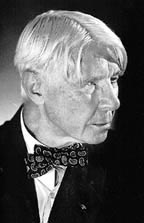
Carl Sandburg lived from 1878 to 1967. The archive lists this poem as part of his collection Chicago Poems, published in 1916. It has been on americanpoems.com since February 2004. It was Poem of the Day on 28 April 2008. Readers left 9 comments on it between 2006 and 2019.
What readers have said
Courtney reads the speaker as the earth itself, and takes the red drops as a volcano erupting. Courtney, 2006
J.B. Lee reads the red drops as popular uprisings, after which the people sink back into the faceless mob. J.B. Lee, 2006
Trey sees a call to the masses to learn from history, since the common man is exploited and the cycle continues while people fail to unite. trey, 2010
Franco S argues that the 'I' is everyone: any human being is the speaker. Franco S, 2011
Jian Mapalo reads the ending as a fair warning that the ruling minority must step aside once the mob realises its power. Jian Mapalo, 2014
From what I understand, I believe that it is portrayed that the earth is the narrator and "spatter a few red drops for history to remember" could be a volcano.
I rather think he is referring more to events like mob uprisings, such as the Haymarket Riots, or, considering the time frame, the Russian revolution, where people took politics into their own hands, fought for change, either won or lost, and then descended back into the faceless, sheeplike mob.
sydney ElizabethUnited States
I believe that Carl Sandburg has a way of getting on a lower level and feeling the people and their beliefs. He saw real people and showed them for who they were.
trey
I Am The People, The Mob
To me this poem is a call for the mass to view society and its history and how the common man is many times exploited by higher entities, but the ills of society continue each generation for people do not come together as whole and learn from the past; thus creating this perpetual cycle that man lives in
magtaPhilippines
who is the I in this poem??
Franco SUnited States
Sandburg is the "I", you are the "I", I am the "I". Everyone is the "I". If you are a human being, you are the speaker.
sreepriya k.sIndia
poem
To me this is one of visualy imaged poem speakes about the life of people.the discrimination in them,their sacrifices towards the society and the metaphor combines to the "HUMAN FACE".Here this poem conveys us about the great work done through the people.the poet also tries to include great personalities who are role model for us
In the poem of Carl Sandburg, he gave the reader a vivid picture of the life of the common people- the working class that in spite of their efforts for change the ruling minority is still in charge...but towards the end of his poem he made a fair warning...wait and see! when the "mob" realizes their power the ruling minority must step aside.
From what I understand, I believe that it is portrayed that the earth is the narrator and "spatter a few red drops for history to remember" could be a volcano.
I rather think he is referring more to events like mob uprisings, such as the Haymarket Riots, or, considering the time frame, the Russian revolution, where people took politics into their own hands, fought for change, either won or lost, and then descended back into the faceless, sheeplike mob.
I believe that Carl Sandburg has a way of getting on a lower level and feeling the people and their beliefs. He saw real people and showed them for who they were.
I Am The People, The Mob
To me this poem is a call for the mass to view society and its history and how the common man is many times exploited by higher entities, but the ills of society continue each generation for people do not come together as whole and learn from the past; thus creating this perpetual cycle that man lives in
who is the I in this poem??
Sandburg is the "I", you are the "I", I am the "I". Everyone is the "I". If you are a human being, you are the speaker.
poem
To me this is one of visualy imaged poem speakes about the life of people.the discrimination in them,their sacrifices towards the society and the metaphor combines to the "HUMAN FACE".Here this poem conveys us about the great work done through the people.the poet also tries to include great personalities who are role model for us
In the poem of Carl Sandburg, he gave the reader a vivid picture of the life of the common people- the working class that in spite of their efforts for change the ruling minority is still in charge...but towards the end of his poem he made a fair warning...wait and see! when the "mob" realizes their power the ruling minority must step aside.
All humans are 'I'