And here face down beneath the sun
And here upon earth's noonward height
To feel the always coming on
The always rising of the night
To feel creep up the curving east
The earthy chill of dusk and slow
Upon those under lands the vast
And ever climbing shadow grow
And strange at Ecbatan the trees
Take leaf by leaf the evening strange
The flooding dark about their knees
The mountains over Persia change
And now at Kermanshah the gate
Dark empty and the withered grass
And through the twilight now the late
Few travelers in the westward pass
And Baghdad darken and the bridge
Across the silent river gone
And through Arabia the edge
Of evening widen and steal on
And deepen on Palmyra's street
The wheel rut in the ruined stone
And Lebanon fade out and Crete
High through the clouds and overblown
And over Sicily the air
Still flashing with the landward gulls
And loom and slowly disappear
The sails above the shadowy hulls
And Spain go under and the shore
Of Africa the gilded sand
And evening vanish and no more
The low pale light across that land
Nor now the long light on the sea
And here face downward in the sun
To feel how swift how secretly
The shadow of the night comes on...
✦
Analysis
You, Andrew Marvell: analysis
Introduction
This poem follows nightfall as it sweeps westward across the earth. The speaker lies "face down beneath the sun" at noon. From there he imagines the shadow of night moving over Persia, Baghdad, Arabia, Palmyra, Lebanon, Crete, Sicily, Spain and Africa, place by place.
The whole poem is close to a single sentence, linked by "And" and almost free of punctuation. Its subject is time and its pressure, felt as the earth turns toward darkness. The title addresses Andrew Marvell by name. The poem ends where it began, with the speaker feeling "how swift how secretly" the night comes on.
Summary
The speaker lies face down beneath the sun at the earth's noon height. He feels the night always coming on and always rising.
He feels the earthy chill of dusk creep up the curving east. Over the lands beneath the horizon the vast shadow climbs and grows.
At Ecbatan the trees take on the evening leaf by leaf. The dark floods about their knees, and the mountains over Persia change.
At Kermanshah the gate is dark and empty and the grass withered. A few late travellers move through the twilight in the westward pass.
Baghdad darkens and the bridge across the silent river disappears. Through Arabia the edge of evening widens and steals on.
The dark deepens on Palmyra's street, in the wheel rut worn into ruined stone. Lebanon fades, and Crete stands high through the clouds.
Over Sicily the air still flashes with gulls flying landward. Sails loom above shadowy hulls and slowly disappear.
Spain goes under, and so does the shore of Africa with its gilded sand. Evening vanishes, and the low pale light across that land is gone.
Now the long light on the sea is gone too.
The speaker is again face downward in the sun. He feels how swiftly and secretly the shadow of the night comes on.
Themes and meaning
Time and mortality. The night is "always coming on" and "always rising". The speaker is in full noon, yet already feels it approaching. The movement of darkness across the world can be read as the approach of death or old age. The poem never says so directly. It lets the image of nightfall carry that weight.
The turning earth. The poem follows the real path of dusk, from east to west, across a band of named places. "the curving east" reminds the reader that the earth is round. The speaker stays still while the planet turns beneath him. The scale is vast, but the feeling is personal: "To feel" recurs in lines 3, 5 and 35.
The fall of civilisations. Many of the places named are old and storied. Kermanshah has a "Dark empty" gate and "withered grass". Palmyra has a "ruined stone" street worn by wheels. The darkness passes over the remains of past cities. It suggests that what fell on them will fall on the present too.
Secret speed. The last line changes the night's character. Throughout, it moves slowly, "leaf by leaf" and "slowly". At the close it comes "how swift how secretly". The shift suggests that time seems slow while it passes and sudden when it arrives.
Tone
The tone is hushed, contemplative and gradually more ominous. The speaker lies still and lets the images unfold. The repeated "And" gives the poem a steady, almost hypnotic flow.
The imagery darkens as it moves west. Early stanzas show change and strangeness, as "the evening strange" comes to Ecbatan. Later ones bring emptiness, ruin and vanishing. Words like "gone", "fade out", "disappear" and "vanish" accumulate.
The close brings unease. "how swift how secretly" turns calm observation into a felt threat. The final ellipsis leaves the night still coming, unfinished.
Form and structure
The poem has 36 lines in ten stanzas. Eight are quatrains, followed by a single line and a final three-line stanza. Lines are almost all of 8 syllables, with a few of 6, 7 or 9. The metre is iambic tetrameter and is very regular.
The quatrains rhyme on the second and fourth lines, as with "height" and "night". Several also rhyme or near-rhyme on the first and third, as with "trees" and "knees". The near-absence of punctuation lets the sentence run on from stanza to stanza. The last stanza returns to the opening words, "face downward in the sun", and closes the circle.
Poetic devices
Anaphora line 17
And Baghdad darken and the bridge Line after line begins with "And". The chain of clauses mimics night spreading without pause.
Personification line 11
The flooding dark about their knees The trees are given knees, and the dark rises around them like water.
Imagery line 6
The earthy chill of dusk Night is felt as a physical cold rising from the ground. The sense is touch, not sight.
Repetition line 3
the always coming on "always" returns in line 4. The doubling stresses that night's approach is constant and unstoppable.
Imagery line 22
The wheel rut in the ruined stone A single worn detail evokes a whole lost city. It hints at time wearing down human works.
Enjambment line 19
And through Arabia the edge The phrase spills over into line 20. The run-on carries the evening's edge across the line as it crosses the land.
Alliteration line 35
how swift how secretly The repeated s sounds give the closing line a whispering quality, matching the night's stealth.
Circular structure line 34
And here face downward in the sun The line echoes line 1. The poem returns to the speaker, now aware of what is coming.
Imagery line 28
The sails above the shadowy hulls The ships are half lost in shadow already. Only the sails catch the last light.
Words worth knowing
noonward
Toward noon. Line 2 places the speaker at the highest point of the day.
Ecbatan
A city name. Line 12 places it under "The mountains over Persia".
Palmyra
A ruined city. The poem shows its "ruined stone" street.
overblown
Blown over, or past its fullness. Crete is seen high and fading through the clouds.
loom
To appear large and indistinct, as the sails do in failing light.
gilded
Covered with gold, here lit gold by the last of the sun.
What readers have said
Richard Searles admires the poem's geographical accuracy, since night falls from east to west. He reads the feeling of night's approach as spiritual rather than literal. Richard Searles, 2005
Ebrahim Mousavi, a student in Iran, valued the poem because many of the places it names are in his country. ebrahim mousavi, 2006
Monika reads the poem as about the power of the U.S. in the world, especially the Middle East, and sees a kind of carpe diem in it. monika, 2006
G. Zetzel says the poem cannot be understood without first reading Marvell's To His Coy Mistress, a poem about love and the passage of time. G. Zetzel, 2008
First, please note that the creator of this poem is _Not_ Ella Wheeler Wilcox, but rather is _Archibald MacLeish_. I suspect this is a type, since the poem is apparently indexed correctly. But the notation on this page as to author should be corrected. Second, this poem is fascinating for it's geographical accuracy, as the earth spins on its axis night falls east to west. But one does not literally feel "how soft,…
Read the whole comment
First, please note that the creator of this poem is _Not_ Ella Wheeler Wilcox, but rather is _Archibald MacLeish_. I suspect this is a type, since the poem is apparently indexed correctly. But the notation on this page as to author should be corrected.
Second, this poem is fascinating for it's geographical accuracy, as the earth spins on its axis night falls east to west. But one does not literally feel "how soft, how silently" the night is approaching - this is a spiritual or metaphysical interpretation. I have always read it as night as metaphor for the decline or death of civilization. MacLeish may have had either of the two 20th Century "World Wars" in mind.
Incidently, I looked up Wilcox on another website. Some of her poems are well worth looking at.
ebrahim mousaviIran
I'm studying english literature in university of Qom. last week we had 'English poetrry'but we did not know a heck about literary devices which were used in 'koblai khan' and the profffessouy scorched us severely. I read this poem three times and I really apreciated it because half of the places that the poet mentions are in iran, my country.cities like Isfahan and Kirmanshah.
monikaIran
THIS POEM IS ABOUT TH U.S MORE THAN ANY OTHER THING.ITS POWER ALL ABOUT THE WORLD ESPCIALLY IN THE MIDDLE EAST . THERE IS ALSO CARPIDIEM (OR SORT OF!)AND MANY IMAGES AND BEAUTIFUL DESCRIPTION OF I.R.IRAN AND SO.
issibella PeytonUnited States
please give me your comments about what this is about i have to wriite a comparrison to the passionate shephard to his love thanks
G. ZetzelUnited States
To understand the poem, you need first to read Marvell's poem, "To His Coy Mistress", written in the 17th C.--a great poem about love and the passage of Time.
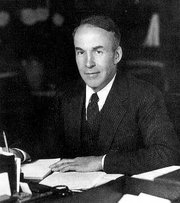
First, please note that the creator of this poem is _Not_ Ella Wheeler Wilcox, but rather is _Archibald MacLeish_. I suspect this is a type, since the poem is apparently indexed correctly. But the notation on this page as to author should be corrected. Second, this poem is fascinating for it's geographical accuracy, as the earth spins on its axis night falls east to west. But one does not literally feel "how soft,…
Read the whole commentFirst, please note that the creator of this poem is _Not_ Ella Wheeler Wilcox, but rather is _Archibald MacLeish_. I suspect this is a type, since the poem is apparently indexed correctly. But the notation on this page as to author should be corrected.
Second, this poem is fascinating for it's geographical accuracy, as the earth spins on its axis night falls east to west. But one does not literally feel "how soft, how silently" the night is approaching - this is a spiritual or metaphysical interpretation. I have always read it as night as metaphor for the decline or death of civilization. MacLeish may have had either of the two 20th Century "World Wars" in mind.
Incidently, I looked up Wilcox on another website. Some of her poems are well worth looking at.
I'm studying english literature in university of Qom. last week we had 'English poetrry'but we did not know a heck about literary devices which were used in 'koblai khan' and the profffessouy scorched us severely. I read this poem three times and I really apreciated it because half of the places that the poet mentions are in iran, my country.cities like Isfahan and Kirmanshah.
THIS POEM IS ABOUT TH U.S MORE THAN ANY OTHER THING.ITS POWER ALL ABOUT THE WORLD ESPCIALLY IN THE MIDDLE EAST . THERE IS ALSO CARPIDIEM (OR SORT OF!)AND MANY IMAGES AND BEAUTIFUL DESCRIPTION OF I.R.IRAN AND SO.
please give me your comments about what this is about i have to wriite a comparrison to the passionate shephard to his love thanks
To understand the poem, you need first to read Marvell's poem, "To His Coy Mistress", written in the 17th C.--a great poem about love and the passage of Time.