1
AS I ponder’d in silence,
Returning upon my poems, considering, lingering long,
A Phantom arose before me, with distrustful aspect,
Terrible in beauty, age, and power,
The genius of poets of old lands,
As to me directing like flame its eyes,
With finger pointing to many immortal songs,
And menacing voice, What singest thou? it said;
Know’st thou not, there is but one theme for ever-enduring bards?And that is the theme of War, the fortune of battles,The making of perfect soldiers?
2
Be it so, then I answer’d,
I too, haughty Shade, also sing war—and a longer and greater one than
any,Waged in my book with varying fortune—with flight, advance, and
retreat—Victory deferr’d and wavering,
(Yet, methinks, certain, or as good as certain, at the last,)—The
field the world;For life and death—for the Body, and for the eternal Soul,Lo! too am come, chanting the chant of battles,I, above all, promote brave soldiers.
In Walt Whitman's "As I Ponder’d in Silence", a poet going back over "my poems" is confronted by a Phantom. It is the spirit of the poetry of old lands, and it demands to know what the speaker sings. Lasting poets, it says, have only one theme, and that theme is war.
The speaker agrees, then changes what the word means. The speaker's book also sings a war, longer than any other, fought "For life and death". The poem is a short argument between old epic and new song. It ends with the speaker claiming to promote soldiers above all others.
Summary
The speaker sits in silence, going back over "my poems" and lingering long. A Phantom rises, "Terrible in beauty, age, and power," and is named as "The genius of poets of old lands". Its eyes burn like flame, and its finger points to many "immortal songs". In a menacing voice it asks, "What singest thou?" It then declares that lasting bards have only one theme: war, "the fortune of battles," and "The making of perfect soldiers?"
The speaker answers, "Be it so," and addresses the Phantom as "haughty Shade". The speaker also sings war, a longer and greater one than any other, waged in the speaker's book with flight, advance and retreat. Victory is "deferr’d and wavering", though nearly sure at the end. The field is the world, and the stakes are "the Body" and "the eternal Soul". The speaker comes "chanting the chant of battles" and ends by claiming, above all others, to promote "brave soldiers."
Themes and meaning
The poem's central move is to keep the word war and change its meaning. The Phantom's challenge concerns subject matter, and the speaker accepts it. The answer "Be it so," takes up the terms and then widens the word. War moves from "the fortune of battles," to a struggle "For life and death".
New song stands up to old poetry as a rival. The Phantom speaks for "poets of old lands" and points to "immortal songs". The speaker answers without deference, claiming "a longer and greater one". The name "haughty Shade" also cuts the challenger down. A shade is a ghost, so the name places it in the past.
The real battleground is the person. The stakes are "for the Body, and for the eternal Soul", and the line capitalises both and ranks neither. The war reads best as one fought inside each person, and the poem names no enemy. That makes the soldiers readers, or anyone who lives and dies.
The book itself becomes a field of war. The poem begins with "my poems" and returns to them in "Waged in my book". The book is described as a campaign of flight, advance and retreat. The outcome is promised but not quite guaranteed. The parenthesis calls it "certain, or as good as certain", and the second phrase quietly takes back part of the first.
Two kinds of soldier mark the difference between the two wars. The Phantom wants "perfect soldiers", and the word "making" suggests something manufactured for a purpose. The speaker promotes "brave soldiers." Courage is asked of them, not perfection. That change fits a war in which victory keeps wavering.
Tone
The poem begins hushed. Its first lines linger on "considering, lingering long", with no hurry in them. The Phantom raises the stakes through its "distrustful aspect" and "menacing voice". Its questions sound like a teacher catching out a pupil.
The speaker's reply changes the temperature. The words "Be it so," are calm and a little amused. The phrase "haughty Shade" talks back to something described as terrible.
Confidence then builds, with one small hedge in the parenthesis: "Yet, methinks, certain". The ending is an open boast: "I, above all,". The Phantom does not reply, so the speaker has the last word. The speaker wins by changing the meaning of a word, and the poem enjoys the move.
Form and structure
The poem is free verse with no fixed metre. Its two numbered sections work as challenge and reply. The lines are long, and the reply's run longest.
Rhythm comes from parallel phrases, commas and dashes, not from a repeated foot. Italics mark the speech on both sides. The two sections have almost the same number of words, which gives the answer the same weight as the question.
Poetic devices
Alliteration line 3
lingering long The repeated l sound slows the line and suits a speaker in no hurry before the interruption.
Personification line 4
A Phantom arose before me The tradition of old poetry becomes a figure who can stand, look, point and speak.
Simile line 7
directing like flame its eyes The stare is given heat and threat, and the inverted word order holds back the eyes until the end.
Archaic diction line 9
What singest thou? The old forms of address make the Phantom sound as old as the songs it defends.
Rhetorical question line 10
Know’st thou not, there is but one theme for ever-enduring bards? The question is really a rule. It leaves the speaker no space except to agree or to be dismissed.
Epithet line 15
haughty Shade The speaker turns the grand Phantom into a proud ghost, shifting the balance before the argument begins.
Extended metaphor line 17
Waged in my book with varying fortune Writing becomes warfare, and the word fortune takes back the Phantom's own term.
Parenthesis line 19
as good as certain The aside corrects itself as it goes, so the claim of final victory is made and softened together.
Metaphor line 20
field the world The battlefield expands to the whole world, far past any single fight the Phantom has in mind.
Parallelism line 21
for the Body, and for the eternal Soul The matched phrases set body and soul side by side as the two causes of this war, and the capitals raise both.
Repetition line 22
chanting the chant of battles The doubled word gives the line an incantatory sound and claims the ceremony of old epic for the speaker.
Words worth knowing
aspect
Look or appearance, especially of the face. Here the Phantom's expression is one of distrust.
genius
An old sense: the guardian spirit of a people or place, not a very clever person.
bards
Poets, especially those who sing of heroes and battles.
Shade
A ghost or spirit of the dead.
methinks
An old word meaning it seems to me.
promote
To encourage or advance. It also means raising a soldier in rank, which suits the military language here.
Context
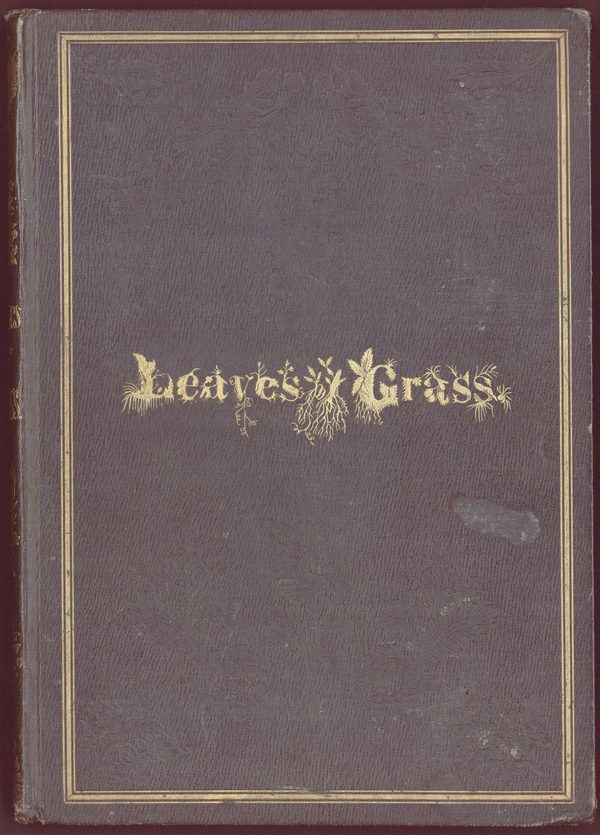
The poem comes second in Whitman's Leaves of Grass. That early place suits its subject, since the speaker is defending what is "Waged in my book". It was Poem of the Day on February 23, 2008.
wow, this is a great way to look at this poem...seriously, his writing is so unique
Por favor comentem o poema As IPonder'd in Silence
THIS POEM IS VERY COOL. I THINK WALT WHITMAN'S POEMS ARE GREAT.
love it love it love it it was great it was so cool and it was totally cool
i think he is strange but brilliant and he may be gay but truthful at least to himself