Before the Altar, bowed, he stands
With empty hands;
Upon it perfumed offerings burn
Wreathing with smoke the sacrificial urn.
Not one of all these has he given,
No flame of his has leapt to Heaven
Firesouled, vermilion-hearted,
Forked, and darted,
Consuming what a few spare pence
Have cheaply bought, to fling from hence
In idly-asked petition.
His sole condition
Love and poverty.
And while the moon
Swings slow across the sky,
Athwart a waving pine tree,
And soon
Tips all the needles there
With silver sparkles, bitterly
He gazes, while his soul
Grows hard with thinking of the poorness of his dole.
"Shining and distant Goddess, hear my prayer
Where you swim in the high air!
With charity look down on me,
Under this tree,
Tending the gifts I have not brought,
The rare and goodly things
I have not sought.
Instead, take from me all my life!
"Upon the wings
Of shimmering moonbeams
I pack my poet's dreams
For you.
My wearying strife,
My courage, my loss,
Into the night I toss
For you.
Golden Divinity,
Deign to look down on me
Who so unworthily
Offers to you:
All life has known,
Seeds withered unsown,
Hopes turning quick to fears,
Laughter which dies in tears.
The shredded remnant of a man
Is all the span
And compass of my offering to you.
"Empty and silent, I
Kneel before your pure, calm majesty.
On this stone, in this urn
I pour my heart and watch it burn,
Myself the sacrifice; but be
Still unmoved: Divinity."
From the altar, bathed in moonlight,
The smoke rose straight in the quiet night.
✦
Analysis
Before the Altar: analysis
Introduction
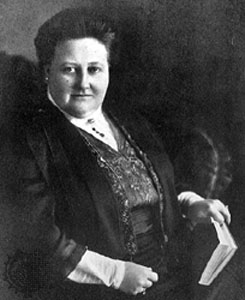
"Before the Altar" is a poem by Amy Lowell about a poor man at an altar at night. Others have left rich offerings there, but he stands "With empty hands". His only possessions are "Love and poverty".
Under the moon he prays to a "Shining and distant Goddess". Having nothing to give, he offers himself: his dreams, his struggle, his failures and his heart. The poem closes on a quiet night in which the smoke rises straight. It is a poem about devotion, sacrifice and the silence of what is worshipped.
Summary
The poem is printed as one stanza of 56 lines, so this summary follows its movements. A man stands bowed before an altar "With empty hands". Perfumed offerings burn on it, and smoke wreathes "the sacrificial urn". None of them is his. No flame of his has leapt to Heaven, burning gifts bought for "a few spare pence" to go with "idly-asked petition".
Lines 12 to 21 describe his state and the night. His "sole condition" is "Love and poverty". The moon swings slowly across the sky, past a waving pine. It tips the needles "With silver sparkles". He gazes "bitterly", and his soul grows hard as he thinks of "the poorness of his dole".
In lines 22 to 29 he begins to pray. He calls on a "Shining and distant Goddess" who swims "in the high air". He asks her to look down with charity on him, who has brought no rare gifts. Instead, he says, "take from me all my life!"
In lines 30 to 48 he lists his offering. He packs his "poet's dreams" on moonbeams "For you". He tosses his strife, courage and loss into the night. He calls her "Golden Divinity" and admits he offers "unworthily". His gift is "Seeds withered unsown", hopes that turn to fears and laughter that dies in tears.
He calls himself "The shredded remnant of a man". That is the whole "span / And compass" of his offering. In lines 49 to 54 he kneels "Empty and silent". He pours his heart into the urn and watches it burn, "Myself the sacrifice". He asks the goddess to stay "Still unmoved".
The last two lines leave the speech and return to the scene. The altar is "bathed in moonlight". The smoke rises straight into the quiet night. The poem gives no answer from the goddess.
Themes and meaning
The central theme is sacrifice of the self. The man cannot buy offerings, so he gives what he is. The phrase "Myself the sacrifice" in line 53 states it outright. His gift includes "my poet's dreams", "My wearying strife" and "my loss". The poem suggests that this costs more than any perfume bought for pence.
A second theme is the contrast between rich and poor devotion. The other offerings are "perfumed" and "cheaply bought". They go with "idly-asked petition", prayers made without effort. The man's poverty seems at first a shame, and his soul grows hard over "the poorness of his dole". By the end his poverty has become the ground of a deeper gift.
A third theme is love for someone or something distant. The goddess is "Shining and distant" and swims "in the high air". Linked to the moon and to "shimmering moonbeams", she can be read as a real goddess, as a woman the man loves, or as an ideal of art. The words "poet's dreams" support the last reading. The phrase "Love and poverty" supports the reading of a lover.
The last theme is the silence of the worshipped. The man asks the goddess to "be / Still unmoved". He does not seem to expect a reply. The final image of smoke rising straight is open to two readings. It may be a sign that the offering is accepted, or simply a calm night that takes no notice.
Tone
The tone moves from bitterness to humble devotion and ends in stillness. The opening is sombre. The man is "bowed" and has "empty hands". The narrator is scornful of the others' gifts, bought "cheaply" for "idly-asked petition".
The word "bitterly" in line 19 marks the lowest point. His soul "Grows hard" with thoughts of his poverty. Yet this bitterness sits beside the soft beauty of the moon tipping the needles with silver.
In the prayer the tone becomes pleading and self-abasing. He offers himself "so unworthily" and calls himself "The shredded remnant of a man". The repeated "For you" sounds like a lover's vow.
The close is calm and ambiguous. "Empty and silent" he kneels, and asks the goddess to remain "unmoved". The narrator's last two lines are quiet and detached, with no comment on the outcome.
Form and structure
The poem has 56 lines, printed here as 1 stanza. Line lengths vary widely, from 2 to 11 syllables. There is no fixed metre, though many lines move in iambs, as in "Before the Altar, bowed, he stands".
The rhyme is frequent but irregular, so the computed scheme has no repeating pattern. Many rhymes fall in couplets: "stands" and "hands", "burn" and "urn", "known" and "unsown", "fears" and "tears". Others are spaced apart, such as "strife" in line 34 answering "life" in line 29.
Very short lines give weight to key phrases. The 2-syllable line "For you" appears at line 33 and again four lines later as a refrain. The man's prayer is framed by a narrator, who speaks the opening and the last two lines.
Poetic devices
Imagery line 4
Wreathing with smoke the sacrificial urn The smoke of other people's gifts surrounds the altar. It sets the scene of worship the man cannot join.
Metaphor line 7
Firesouled, vermilion-hearted The flame is given a soul and a heart. The coined words make fire alive, like the offering he wishes he could make.
Personification line 14
And while the moon The moon in lines 14 to 19 swings across the sky and tips the needles with silver. It acts like a presence watching over the scene.
Imagery line 19
With silver sparkles, bitterly Beauty and bitterness meet in one line. The moonlight is lovely while the man's mood is sour.
Apostrophe line 22
Shining and distant Goddess, hear my prayer The man turns from narration to direct address. The goddess is present to him but far away.
Repetition line 33
For you. The short line returns at line 37. It stresses that every gift is for the goddess alone.
Metaphor line 43
Seeds withered unsown Unused chances are pictured as seeds that died before planting. It turns failure into an offering.
Metaphor line 46
The shredded remnant of a man The man sees himself as torn scraps of cloth. It is the lowest image he gives of himself.
Paradox line 49
Empty and silent, I He calls himself empty at the moment he gives everything. His offering is his emptiness.
Rhyme line 52
I pour my heart and watch it burn "burn" rhymes with "urn" in line 51. It echoes the burning offerings and the urn of line 4.
Imagery line 56
The smoke rose straight in the quiet night The poem ends on a still, open image. It can be read as acceptance or as indifference.
Words worth knowing
vermilion
A bright red colour, like flame.
hence
From here, from this place.
athwart
Across, from side to side of.
dole
A small portion given out, especially as charity. Here it is his meagre lot or share.
deign
To condescend, to do something thought beneath one.
compass
Range or extent, not the instrument. It pairs with span.
Context
Amy Lowell lived from 1874 to 1925. The archive lists "Before the Altar" in her collection A Dome of Many-Coloured Glass, published in 1912. It has been on americanpoems.com since February 2004. It was Poem of the Day on September 5, 2016. Readers left 5 comments on it between 2004 and 2007.
What readers have said
Kearra says the poem offered something new and thanks the writer for sharing these thoughts. Kearra, 2004
Dana liked the poem but thinks it would be better if it were shorter. dana, 2007
Paul, writing from school, uses the poem for a paper and wishes the site sorted poems by theme. Paul, 2005
I was looking for something new and I found it within this poem, thank you for sharing your thoughts with me
LeonUnited States
This poem remindes me of my wedding day, thanks for sharing!
PaulUnited States
I am here at school and it would be cool if these Poems were sorted by Themes! That would help so much for this dang paper. If anyone has any good sites leave a comment, thanks!
jackUnited States
why can't poems be sorted by time periods? that would be interesting.
danaVenezuela
this poem is great i luv it but if it was shoter it will be better
I was looking for something new and I found it within this poem, thank you for sharing your thoughts with me
This poem remindes me of my wedding day, thanks for sharing!
I am here at school and it would be cool if these Poems were sorted by Themes! That would help so much for this dang paper. If anyone has any good sites leave a comment, thanks!
why can't poems be sorted by time periods? that would be interesting.
this poem is great i luv it but if it was shoter it will be better