Sorrow is my own yard
where the new grass
flames as it has flamed
often before but not
with the cold fire
that closes round me this year.
Thirtyfive years
I lived with my husband.
The plumtree is white today
with masses of flowers.
Masses of flowers
load the cherry branches
and color some bushes
yellow and some red
but the grief in my heart
is stronger than they
for though they were my joy
formerly, today I notice them
and turn away forgetting.
Today my son told me
that in the meadows,
at the edge of the heavy woods
in the distance, he saw
trees of white flowers.
I feel that I would like
to go there
and fall into those flowers
and sink into the marsh near them.
✦
Analysis
The Widow's Lament In Springtime: analysis
Introduction
"The Widow's Lament In Springtime" is spoken by a woman whose husband has died. She has lived with him "Thirtyfive years". Now spring has come, and the trees and bushes are full of flowers.
The beauty that once gave her joy no longer reaches her. "Sorrow is my own yard", she says. When her son tells her of white-flowering trees at the edge of the woods, she feels a wish to go there. She wants to "fall into those flowers" and "sink into the marsh".
Summary
Lines 1–6 open with a statement: "Sorrow is my own yard". In the yard the new grass "flames as it has flamed / often before". This year, though, the fire is different. It is a "cold fire" that "closes round" the speaker.
Lines 7–8 give the plain facts. The speaker lived with the husband for "Thirtyfive years". Nothing more is said about the husband or the death.
Lines 9–14 describe the spring around her. "The plumtree is white today" with "masses of flowers". Flowers also "load the cherry branches". They color some bushes "yellow and some red".
Lines 15–19 set her grief against this display. "the grief in my heart / is stronger than they", she says. The flowers were once her joy. Now she notices them and turns away "forgetting".
Lines 20–24 bring in her son. He has told her that, at the edge of "the heavy woods" in the distance, he saw "trees of white flowers". The trees are in the meadows, far from her yard.
Lines 25–28 close the poem with her response. She feels that she "would like / to go there". She wants to "fall into those flowers". She also wants to "sink into the marsh near them".
Themes and meaning
The main theme is grief set against renewal. Spring brings new grass, white plum blossom, loaded cherry branches and colored bushes. All of this is life returning. The widow's sorrow does not return to life with it. "the grief in my heart / is stronger than they", she says.
A second theme is how grief changes perception. The grass still "flames", but for her it is a "cold fire". The flowers "were my joy / formerly", and now she turns away from them. The same world looks different because she has lost the person she shared it with. The yard itself has become "Sorrow".
A third theme is the length and weight of the loss. "Thirtyfive years" stands almost alone as a line. The speaker adds no comment to it. The bare number carries the size of what she has lost. Its plainness makes it more moving than any description of the husband would.
The ending introduces a wish to escape. She would like to "fall into those flowers" and "sink into the marsh near them". The lines can be read as a wish for death, to join the dead husband. They can also be read as a wish for rest or oblivion. The poem does not say which reading is right.
Tone
The tone is quiet and heavy with grief. The speaker states her sorrow directly, without drama. Short, plain sentences such as "Thirtyfive years / I lived with my husband" carry deep feeling in few words.
The tone is also detached from the beauty around her. She names the flowers carefully but without pleasure. She says only, "today I notice them / and turn away forgetting."
At the end the tone becomes softer and more dreamlike. "I feel that I would like" is gentle and tentative. Yet the wish it introduces is dark. The calm voice makes the longing to "sink into the marsh" more unsettling.
Form and structure
The poem is a single stanza of 28 lines in free verse. The lines are short, from 2 to 9 syllables. There is no regular metre and no rhyme scheme.
The matches at line ends are mostly repeated words. "flowers" closes several lines, and "them" closes two. The sentences are complete and properly punctuated, and each one ends at a line end. The poem moves in clear units: sorrow, marriage, spring, grief, the son's report, and the final wish.
Poetic devices
metaphor line 1
Sorrow is my own yard Her grief is a place she lives in. The yard is both a real garden and the space of her sorrow.
metaphor line 3
flames as it has flamed The bright new grass is described as fire. The repeated verb shows spring returning as it always has.
oxymoron line 5
with the cold fire Fire is usually warm. Her grief makes even spring's brightness feel cold.
understatement line 7
Thirtyfive years The line gives only a number. The plain fact carries the weight of a long marriage.
imagery line 9
The plumtree is white today White blossom opens the spring scene. White returns in the son's "trees of white flowers".
repetition line 11
Masses of flowers The phrase repeats from line 10. The doubling stresses the abundance of spring that she cannot enjoy.
colour imagery line 14
yellow and some red Bright colours fill the world around her. They contrast with the grief she feels.
paradox line 19
and turn away forgetting. She notices the flowers and then forgets them. Grief blots out what she sees.
anaphora line 20
Today my son told me "today" recurs in lines 9, 18 and 20. It fixes the grief in the present moment.
imagery line 28
and sink into the marsh near them. The final image is of being swallowed by wet ground. It suggests a wish to vanish or to die.
Words worth knowing
plumtree
A plum tree, written as one word. It flowers white in early spring.
formerly
In the past, before now.
marsh
Low, wet, soft ground where water collects.
Context
"The Widow's Lament In Springtime" is by William Carlos Williams (1883–1963). It has been on americanpoems.com since 2003 and was a Poem of the Day on August 19, 2011. Readers have left eight comments on it, from 2004 to 2020.
What readers have said
saif notes that the poet connects the widow's grief with the beauty of nature by setting a sad story in spring. saif, 2004
Molly reads the ending as a wish for death, since the widow cannot bear the world without the husband. Molly, 2007
muneer also sees death as a blessing for her, a way to join the husband in the hereafter. muneer, 2012
Seanasia asks what kind of conflict the poem shows, whether with others, with oneself or with society. Seanasia, 2020
Keep reading
Discover more of William Carlos Williams’s poetry.
“The Window’s Lament In springtime” is a poem that written by William Carlos Williams. It is about a woman who lives in a deep sadness because she lost her husband. The poet is a contrived poet who could mix the beauty of the nature with sadness in human life. The nature plays a great role of inspiration for the poet. The poet tried to connect the grief that the woman feels with the beauty of nature. However he…
Read the whole comment
“The Window’s Lament In springtime” is a poem that written by William Carlos Williams. It is about a woman who lives in a deep sadness because she lost her husband. The poet is a contrived poet who could mix the beauty of the nature with sadness in human life. The nature plays a great role of inspiration for the poet.
The poet tried to connect the grief that the woman feels with the beauty of nature. However he narrated a sad story but he chose the best season in whole year which is spring. The woman compared this season in the last year with the same season this year. Her look towards the two springs changed. In the first spring, her husband was a live and the elements of nature gave different sense in contrast this year.
The season of spring is different from the others. It means the warmth so the life goes easily. The trees become green and carry different colors of fruit. The diseases become less. In fact, the spring is the season of rebirth.
The poet gave the nature different meanings. However it suppose to reverse meanings like happiness, hope and positive reactions but he made it to give meanings like grief, sorrow, frustration, pessimism, emptiness and lineless that the woman faced. Although the beautiful colors are a cure for grief sometime but the sadness in her heart was stronger than this sweet colors as she mentioned.
sahrOman
How the nature is an important source of inspiration for this poet? Please send me your comments about this topic.... please
I would like you to help me to know everything or the analysis of the poem "my heart leaps up when I behold" by William Wordworth. I'm sorry but I'm sure that you will help me as soon as possible if you don't mind. Thank you. your friend.. Sahr
What does the title mean to you? How does it connect with the meaning of the poem?
MollyUnited States
Things she once found distracting because they were so beautiful are small because she lives in the world without her love. She can't stand not being with him so much that death seems like an opportunity for her.
TurkBahrain
A short summary of the poet
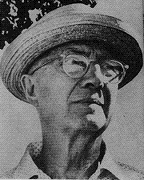
In 1883, William Carlos Williams was born in Rutherford, New Jersey. He began writing poetry while a student at Horace Mann High School, at which time he made the decision to become both a writer and a doctor. He received his MD from the University of Pennsylvania, where he met and befriended Pound. William’s health began to decline after a heart attack in 1948 and a series of strokes, but he continued writing up until his death in New Jersey in 1963.
muneerSaudi Arabia
comment
the poet skillfully pictures the miserable life which the widow is leading afer 35 years of joy and hapiness which she had with her beloved husband.now everything seems tasteless and ugly even the flowers of spring can not change her gloomy mood.death is a blessing for her.she might join her beloved in the hereafter.
Seanasia
What conflict would this be?? Man vs man. Man vs self or Man vs society??
“The Window’s Lament In springtime” is a poem that written by William Carlos Williams. It is about a woman who lives in a deep sadness because she lost her husband. The poet is a contrived poet who could mix the beauty of the nature with sadness in human life. The nature plays a great role of inspiration for the poet. The poet tried to connect the grief that the woman feels with the beauty of nature. However he…
Read the whole comment“The Window’s Lament In springtime” is a poem that written by William Carlos Williams. It is about a woman who lives in a deep sadness because she lost her husband. The poet is a contrived poet who could mix the beauty of the nature with sadness in human life. The nature plays a great role of inspiration for the poet.
The poet tried to connect the grief that the woman feels with the beauty of nature. However he narrated a sad story but he chose the best season in whole year which is spring. The woman compared this season in the last year with the same season this year. Her look towards the two springs changed. In the first spring, her husband was a live and the elements of nature gave different sense in contrast this year.
The season of spring is different from the others. It means the warmth so the life goes easily. The trees become green and carry different colors of fruit. The diseases become less. In fact, the spring is the season of rebirth.
The poet gave the nature different meanings. However it suppose to reverse meanings like happiness, hope and positive reactions but he made it to give meanings like grief, sorrow, frustration, pessimism, emptiness and lineless that the woman faced. Although the beautiful colors are a cure for grief sometime but the sadness in her heart was stronger than this sweet colors as she mentioned.
How the nature is an important source of inspiration for this poet? Please send me your comments about this topic.... please
I would like you to help me to know everything or the analysis of the poem "my heart leaps up when I behold" by William Wordworth. I'm sorry but I'm sure that you will help me as soon as possible if you don't mind.
Thank you.
your friend..
Sahr
What does the title mean to you? How does it connect with the meaning of the poem?
Things she once found distracting because they were so beautiful are small because she lives in the world without her love. She can't stand not being with him so much that death seems like an opportunity for her.
A short summary of the poet
In 1883, William Carlos Williams was born in Rutherford, New Jersey. He began writing poetry while a student at Horace Mann High School, at which time he made the decision to become both a writer and a doctor. He received his MD from the University of Pennsylvania, where he met and befriended Pound. William’s health began to decline after a heart attack in 1948 and a series of strokes, but he continued writing up until his death in New Jersey in 1963.
comment
the poet skillfully pictures the miserable life which the widow is leading afer 35 years of joy and hapiness which she had with her beloved husband.now everything seems tasteless and ugly even the flowers of spring can not change her gloomy mood.death is a blessing for her.she might join her beloved in the hereafter.
What conflict would this be?? Man vs man. Man vs self or Man vs society??