DRUM on your drums, batter on your banjoes, sob on the long cool winding saxophones. Go to it, O jazzmen.
Sling your knuckles on the bottoms of the happy tin pans, let your trombones ooze, and go hushahusha-hush with the slippery sand-paper.
Moan like an autumn wind high in the lonesome tree-tops, moan soft like you wanted somebody terrible, cry like a racing car slipping away from a motorcycle cop, bang-bang! you jazzmen, bang altogether drums, traps, banjoes, horns, tin cans—make two people fight on the top of a stairway and scratch each other’s eyes in a clinch tumbling down the stairs.
Can the rough stuff … now a Mississippi steamboat pushes up the night river with a hoo-hoo-hoo-oo … and the green lanterns calling to the high soft stars … a red moon rides on the humps of the low river hills … go to it, O jazzmen.
✦
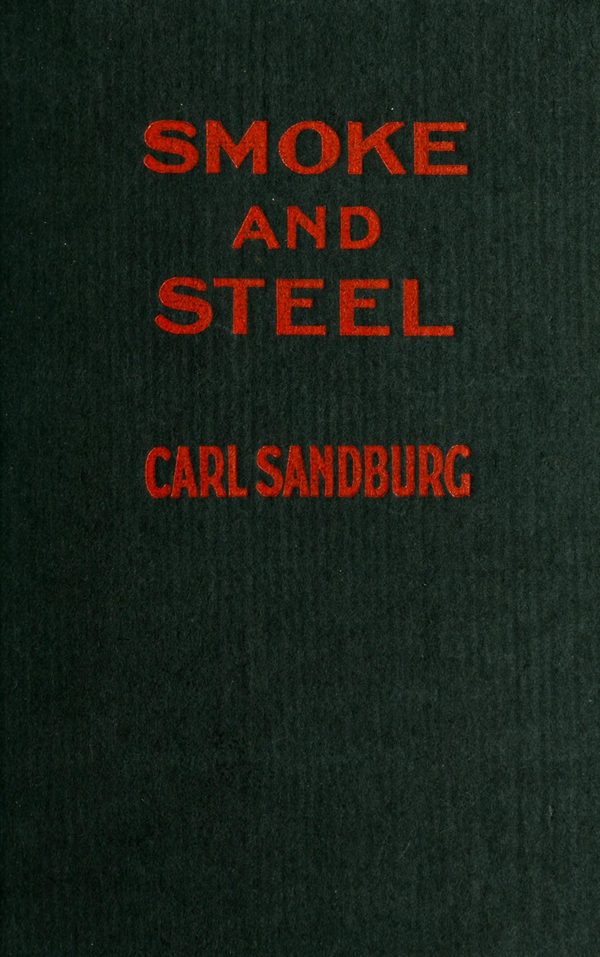
From the bookSmoke and SteelFirst edition, Harcourt, Brace and Howe, 1920
Analysis
Jazz Fantasia: analysis
Introduction
"Jazz Fantasia" is a poem of instructions shouted to a jazz band. The speaker urges the players on, instrument by instrument, from drums and banjos to saxophones, trombones and sandpaper. The music he calls for is by turns happy, mournful, wild and violent.
Then, in the last stanza, he calls a halt to "the rough stuff". The band turns to a quiet night scene on a river. The poem tries to make words behave like jazz, full of sound effects, sudden shifts of mood and images that mimic noise.
Summary
The first stanza is a burst of commands. The speaker tells the players to "DRUM on your drums" and "batter on your banjoes". They are to "sob on the long cool winding saxophones". He ends with a cheer: "Go to it, O jazzmen."
The second stanza adds more instruments. The players are to "Sling your knuckles" on "the happy tin pans". The trombones should "ooze". The sandpaper should go "hushahusha-hush".
The third stanza is the longest and loudest. The band must "Moan like an autumn wind", then moan "like you wanted somebody terrible". Next it must cry "like a racing car slipping away from a motorcycle cop". Everything bangs "altogether", from drums to tin cans. The music should sound like two people fighting at the top of a stairway and tumbling down it, scratching at each other's eyes.
The fourth stanza changes pace. "Can the rough stuff", the speaker says. A steamboat now "pushes up the night river" with a low "hoo-hoo-hoo-oo". Green lanterns call to "the high soft stars", and a red moon "rides on the humps of the low river hills". The poem closes with the same cheer as the first stanza: "go to it, O jazzmen."
Themes and meaning
The central theme is music as a force of feeling. The speaker does not describe a tune. He asks the band to make particular emotions: joy in "the happy tin pans", sorrow in "sob" and "Moan", longing in "like you wanted somebody terrible". Jazz here can express the whole range of human moods.
A second theme is energy and disorder. The third stanza piles up noise, speed and violence. A car flees a police officer, and two people fight down a stairway. The poem enjoys this chaos. It treats rough, loud music as exciting rather than shameful.
Contrast is a third theme. After the fight, "Can the rough stuff" brings calm. The last stanza is slow, dark and beautiful, with stars, lanterns and a red moon. The poem suggests jazz can move from uproar to tenderness within a single performance.
The poem also links music to modern and American life. Its images include a racing car, a motorcycle cop and a Mississippi steamboat. Ordinary objects, such as tin pans and sandpaper, become instruments. One reader hears in these sounds the clash of a whole civilization.
Tone
The tone is exuberant and commanding. The speaker sounds like a bandleader or a cheering listener. His imperatives, such as "DRUM on your drums", come quickly and loudly.
The tone grows playful in the second stanza. "Sling your knuckles" and "hushahusha-hush" are comic, almost childlike. The sounds are meant to be enjoyed, not taken seriously.
In the third stanza the tone becomes raucous and even violent. "bang-bang!" and the stairway fight push the excitement to its peak. The speaker seems to relish the uproar.
The last stanza is hushed and dreamy. The ellipses slow the pace, and the images turn soft and distant. The final "go to it, O jazzmen" is now gentle encouragement rather than a shout.
Form and structure
The poem has 4 stanzas, each a single line in the archive's text. These lines are very long, from 25 to 86 syllables. It is free verse, closer to prose paragraphs than to lines of regular length. There is no metre and no rhyme.
The structure follows a performance. The stanzas grow louder and longer until the third, the longest. The fourth then slows and quiets.
The cry "Go to it, O jazzmen" frames the poem, closing the first stanza and the last. Ellipses break the last stanza into short images, like pauses between notes. Sound words such as "hushahusha-hush" and "hoo-hoo-hoo-oo" imitate the instruments directly.
Poetic devices
Apostrophe line 1
Go to it, O jazzmen The speaker addresses the players directly. The cry frames the poem, since it returns at the end of the last stanza.
Alliteration line 1
batter on your banjoes The repeated 'b' sound imitates the beat of plucked strings. It gives the command a percussive snap.
Onomatopoeia line 2
hushahusha-hush The word imitates sandpaper rubbed as a percussion instrument. The soft, repeated sound is heard as well as described.
Personification line 2
the happy tin pans Kitchen pans are called happy. The music gives even ordinary objects a mood.
Simile line 3
Moan like an autumn wind high in the lonesome tree-tops The saxophones' sound is compared to wind. The image makes the music lonely and seasonal.
Simile line 3
cry like a racing car slipping away from a motorcycle cop A modern chase scene stands for a high, speeding sound. The image adds danger and excitement.
Onomatopoeia line 3
bang-bang! A direct imitation of drum strokes. The exclamation mark makes the noise burst from the page.
Catalogue line 3
drums, traps, banjoes, horns, tin cans The quick list piles every instrument together. It mimics the whole band playing at once.
Metaphor line 3
make two people fight on the top of a stairway The music becomes a brawl. The image suggests the instruments clash and tumble over one another.
Imagery line 4
a red moon rides on the humps of the low river hills A calm, colourful night scene replaces the noise. The slow music becomes a landscape.
Onomatopoeia line 4
hoo-hoo-hoo-oo The steamboat's whistle is imitated with long vowels. It slows the poem to a low, drawn-out sound.
Words worth knowing
traps
The trap set: a drummer's kit of drums, cymbals and small percussion.
sand-paper
Blocks covered in sandpaper, rubbed together to make a soft, brushing rhythm.
terrible
In 'wanted somebody terrible', slang for 'terribly', meaning very much.
altogether
Here 'all together', all at once, as well as 'completely'.
clinch
A close hold in a fight, as in boxing, where two fighters grapple at close quarters.
Can the rough stuff
Slang for 'stop the rough playing'. To can something is to cut it out.
Context
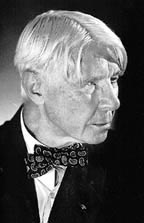
Carl Sandburg lived from 1878 to 1967. The archive lists "Jazz Fantasia" as part of his collection Smoke and Steel, published in 1920. It was Poem of the Day on the old americanpoems.com on 19 March 2005. Readers left 10 comments on it between 2005 and 2021.
What readers have said
Amanda, a member of a school jazz band, says the poem captures jazz's mystery and excitement and the way its mood keeps changing. Amanda, 2006
John Rhoades, a teacher, uses the poem to show sound words, and hears it as a jazz band imitating the clashing noises of civilization. John Rhoades, 2008
Brittani Webb reads the poem as a tribute to jazz and finds it relaxing. Brittani Webb, 2006
Kenneth Coffee, aged 15, reads the poem as saying that life can be fun only if you make room for fun, told indirectly rather than stated. Kenneth Coffee, 2005
Mathieu insists the others are wrong and reads the refrain as a coded political call, a reading the text itself gives no support for. Mathieu, 2011
I think that the poem is very showing of how the poet feels and is using tone and speaker to show how life can be fun but you need to have a little fun in order to make it fun. I am only 15 years old and i still can tell that the poet wanted to tell about life in a different format that just coming out and saying it. I love this poem!!!
kcUnited States
This poem made me feel as if music can make someone feel better , it also tells me that Carl Sandburg had a side to him that no one sees , that he keeps inside of him.
Hellen SugarUnited States
I love this poem! It rox my sox! LOL but still it's a scream for fun and crazyness! It's takes courage to have fun...
Brittani WebbUnited States
This is a great poem and it is a tribute to jazz. I really like jazz and when I read this peom i ger very relaxed!!!!
AmandaUnited States
I love this poem! I am a member of my school's jazz band, and have always been a huge fan of jazz. I think this poem does an incredible job of capturing the essence of jazz, of its mystery and excitement and the way the mood is constantly changing with each note, each rhythm, and each song.
mashaUnited States
I don't understand this poem. What is the occasion of the poem,what can I paraphrase in this poem, who the speaker of this poem, what's the simle or metaphore in this poem and the theme and message of this poem!!SOMEBODY PLEASE HELP!!!!!
John RhoadesUnited States
As a teacher, I used this poem as an example of the way poets use "sound" words such as crash and bang. The poem, when read emphasizing the sounds, gives the rhythms and 'noises' of words imitating a jazz band creating the clashing sounds of civilization. My favorite word is "horns." The resonance of the voice takes on the meaning of a musical instrument producing the sound of an automobile. We read it aloud and divide the class into two pitches when me come to that word (like 'oogah'). But I think "Go to it O jazzmen means to the poet--"Do your creative thing." It will mean something different to each reader as we bring our own experiences to the reading of any poem.
Oh, no, you all got it wrong. He was making reference to the ascendency of Communists ifitrating the secret parts of our lives and society in a sometimes easy, and sometimes struggled thrust to overthow our bourgeoise stalemate of class struggles. Go to it, O jazzmen, is code language for, "seize the day, comrades."
I think that the poem is very showing of how the poet feels and is using tone and speaker to show how life can be fun but you need to have a little fun in order to make it fun. I am only 15 years old and i still can tell that the poet wanted to tell about life in a different format that just coming out and saying it. I love this poem!!!
This poem made me feel as if music can make someone feel better , it also tells me that Carl Sandburg had a side to him that no one sees , that he keeps inside of him.
I love this poem! It rox my sox! LOL but still it's a scream for fun and crazyness! It's takes courage to have fun...
This is a great poem and it is a tribute to jazz. I really like jazz and when I read this peom i ger very relaxed!!!!
I love this poem! I am a member of my school's jazz band, and have always been a huge fan of jazz. I think this poem does an incredible job of capturing the essence of jazz, of its mystery and excitement and the way the mood is constantly changing with each note, each rhythm, and each song.
I don't understand this poem. What is the occasion of the poem,what can I paraphrase in this poem, who the speaker of this poem, what's the simle or metaphore in this poem and the theme and message of this poem!!SOMEBODY PLEASE HELP!!!!!
As a teacher, I used this poem as an example of the way
poets use "sound" words such as crash and bang. The poem, when read emphasizing the sounds, gives the rhythms and 'noises' of words imitating a jazz band creating the clashing sounds of civilization. My favorite word is "horns." The resonance of the voice takes on the meaning of a musical instrument producing the sound of an automobile. We read it aloud and divide the class into two pitches when me come to that word (like 'oogah'). But I think "Go to it O jazzmen means to the poet--"Do your creative thing." It will mean something different to each reader as we bring our own experiences to the reading of any poem.
i like america. jazz fantasia is america.
Go to it, O jazzmen
Oh, no, you all got it wrong.
He was making reference to the ascendency of Communists ifitrating the secret parts of our lives and society in a sometimes easy, and sometimes struggled thrust to overthow our bourgeoise stalemate of class struggles.
Go to it, O jazzmen, is code language for, "seize the day, comrades."
Damn, that's tough.