A little colt - broncho, loaned to the farm
To be broken in time without fury or harm,
Yet black crows flew past you, shouting alarm,
Calling "Beware," with lugubrious singing...
The butterflies there in the bush were romancing,
The smell of the grass caught your soul in a trance,
So why be a-fearing the spurs and the traces,
O broncho that would not be broken of dancing?
You were born with the pride of the lords great and olden
Who danced, through the ages, in corridors golden.
In all the wide farm-place the person most human.
You spoke out so plainly with squealing and capering,
With whinnying, snorting, contorting and prancing,
As you dodged your pursuers, looking askance,
With Greek-footed figures, and Parthenon paces,
O broncho that would not be broken of dancing.
The grasshoppers cheered. "Keep whirling," they said.
The insolent sparrows called from the shed
"If men will not laugh, make them wish they were dead."
But arch were your thoughts, all malice displacing,
Though the horse-killers came, with snake-whips advancing.
You bantered and cantered away your last chance.
And they scourged you, with Hell in their speech and their faces,
O broncho that would not be broken of dancing.
"Nobody cares for you," rattled the crows,
As you dragged the whole reaper, next day, down the rows.
The three mules held back, yet you danced on your toes.
You pulled like a racer, and kept the mules chasing.
You tangled the harness with bright eyes side-glancing,
While the drunk driver bled you - a pole for a lance -
And the giant mules bit at you - keeping their places.
O broncho that would not be broken of dancing.
In that last afternoon your boyish heart broke.
The hot wind came down like a sledge-hammer stroke.
The blood-sucking flies to a rare feast awoke.
And they searched out your wounds, your death-warrant tracing.
And the merciful men, their religion enhancing,
Stopped the red reaper, to give you a chance.
Then you died on the prairie, and scorned all disgraces,
O broncho that would not be broken of dancing.
✦
Analysis
The Broncho That Would Not Be Broken: analysis
Introduction
"The Broncho That Would Not Be Broken" tells the story of a young horse lent to a farm to be trained. The colt will not give up its joy in running and prancing, which the poem calls "dancing." Crows warn it, and grasshoppers and sparrows urge it on.
The men who work it grow cruel. They whip it, and a drunk driver wounds it while it is harnessed to a reaper. In the last stanza it dies on the prairie. Each stanza ends with the same refrain: "O broncho that would not be broken of dancing."
Summary
A young colt is lent to a farm to be broken in gently, "without fury or harm." Black crows fly past, crying a mournful warning. The butterflies court in the bushes, and the smell of the grass puts the colt in a trance. The speaker asks why it should fear "the spurs and the traces."
The speaker says the colt was born with the pride of ancient lords who danced in golden halls. It is the most human creature on the farm. It speaks plainly by squealing, snorting and prancing. It dodges its pursuers "With Greek-footed figures, and Parthenon paces."
The grasshoppers cheer and tell it to keep whirling. The sparrows call that if men will not laugh, they should be made to wish they were dead. The colt's thoughts are playful, with no malice. The "horse-killers" come with whips, and the colt frolics "away your last chance." The men beat it, with "Hell in their speech and their faces."
The crows rattle, "Nobody cares for you." The next day the colt is harnessed to a reaper with three mules. It dances on its toes and pulls like a racer, tangling the harness. The drunk driver jabs it with a pole until it bleeds. The mules bite at it.
That last afternoon the colt's "boyish heart broke." The hot wind strikes like a sledge-hammer. Blood-sucking flies find its wounds. The "merciful men" stop the reaper "to give you a chance." The colt dies on the prairie, scorning every disgrace.
Themes and meaning
The main theme is a free spirit that will not submit. The refrain says the broncho would not be "broken of dancing." To be broken of something is to be cured of a habit. The men want to tame not only the horse's strength but its joy. The colt keeps its joy to the end, at the cost of its life.
A second theme is cruelty. The farm promises training "without fury or harm." What follows is "snake-whips," a "drunk driver" and wounds. The men are called "horse-killers" and have "Hell in their speech and their faces." The poem shows how easily a promise of gentleness turns violent.
A third theme is hypocrisy. Line 37 calls the men "merciful" and says they are "their religion enhancing." They stop the reaper only when the colt is dying, "to give you a chance." The words praise them, but the context mocks them. Their mercy comes too late to matter.
A fourth theme is dance as nobility and art. The colt has "the pride of the lords great and olden." It moves with "Greek-footed figures, and Parthenon paces." These phrases link its play to ancient grace and art. On this reading, the colt is an artist among labourers.
A fifth theme is nature as a chorus. Crows warn, grasshoppers cheer, sparrows jeer at men, and flies feast. The animals comment on the story like a chorus in a play. They see the colt's fate before the colt does.
Tone
The tone begins as light and affectionate. The rhythm skips, and the colt is teased gently with "why be a-fearing." Butterflies "romancing" and a soul "in a trance" set a playful, pastoral mood.
In the third stanza the tone darkens. The "horse-killers" and "snake-whips" bring menace. The rhythm stays quick, which makes the cruelty more jarring.
The fourth and fifth stanzas are grim. Words such as "bled," "blood-sucking" and "death-warrant" bring pain close. The phrase "merciful men" is openly ironic. The ending is elegiac but proud, since the colt "scorned all disgraces." The refrain, repeated after its death, sounds like a salute.
Form and structure
The poem has 40 lines in 5 stanzas of 8 lines each. The lines are long, from 8 to 13 syllables. The rhythm is a quick triple beat, mostly anapests, which suits the colt's galloping and prancing.
The rhyme follows a repeated plan. Most stanzas open with three lines on one rhyme, such as "farm," "harm" and "alarm." Each stanza then returns to the same three endings, heard first in "romancing," "trance" and "traces." Every stanza ends with the refrain "O broncho that would not be broken of dancing." The fixed end sounds tie all 5 stanzas together like a song.
Poetic devices
Personification line 3
Yet black crows flew past you, shouting alarm The crows act as a warning voice. They foreshadow the colt's fate from the start.
Imagery line 6
The smell of the grass caught your soul in a trance The colt is ruled by the senses and by nature. The image explains why it cannot fear the harness.
Refrain line 8
O broncho that would not be broken of dancing The line closes every stanza. It turns the story into a ballad and keeps the colt's defiance in view.
Onomatopoeia line 13
With whinnying, snorting, contorting and prancing The sounds and rhymes of the list imitate the horse's noise and motion. The line itself seems to prance.
Allusion line 15
With Greek-footed figures, and Parthenon paces The colt's steps are compared to ancient Greek art. The allusion raises its play to the level of dance and sculpture.
Internal rhyme line 22
You bantered and cantered away your last chance "bantered" and "cantered" rhyme inside the line. The playful sound contrasts with the loss of the "last chance."
Metaphor line 30
a pole for a lance The driver's pole becomes a knight's lance. The image makes the wounding a cruel, one-sided joust.
Pun line 33
your boyish heart broke The colt is never broken in, but its heart breaks. The word "broke" turns the refrain's "broken" toward death.
Simile line 34
like a sledge-hammer stroke The hot wind strikes like a heavy blow. Even the weather joins the attack.
Irony line 37
And the merciful men, their religion enhancing The men are called merciful only as the colt dies. The phrase mocks their show of piety.
Words worth knowing
broncho
A spelling of bronco: a wild or half-tamed horse of the western plains.
lugubrious
Mournful, gloomy.
traces
The straps or chains that connect a harnessed horse to what it pulls.
arch
Playfully mischievous; knowing and teasing.
scourged
Whipped severely.
reaper
A machine, drawn here by animals, for cutting grain.
Context
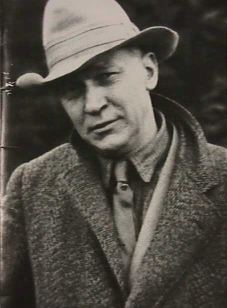
Vachel Lindsay lived from 1879 to 1931. "The Broncho That Would Not Be Broken" has been on americanpoems.com since 2005. It was the archive's Poem of the Day on November 25, 2016. Readers left 5 comments on it between 2005 and 2014.
What readers have said
M ary Ellen reads the colt as a symbol of all of us, trained as children to conform. This reader sees it as a Christ figure, killed by those in power who cannot see its sacredness. M ary Ellen, 2005
Laurie Fenner says the poem speaks to what is forever wild and unbroken in our nature. Laurie Fenner, 2014
Pam OConnell, a lifelong horse owner, first met four lines of the poem in a stallion advertisement and never forgot them. Pam OConnell, 2005
charles coleman calls it one of the greatest poems this reader has read, and wishes the broncho's spirit to live on in the reader. charles coleman, 2011
harley moore, who had to read it at school, disliked it strongly. harley moore, 2006
I first read four lines from this poem, "The butterflies there in the bush were romancing, The smell of the grass caught your soul in a trance, So why be a-fearing the spurs and the traces, O broncho that would not be broken of dancing?"
About 18 years ago in an advertisement for a stallion in a horse magazine, I came across these lines. They have never left my consciousness.
As a lifetime owner of horses, nothing has touched me like these lines, and it was wonderful to at last, find this website and the rest of this epic poem. I am very grateful for that, and look forward to reading all of the poems posted. Thank you!
I love the symbolism in this poem. We are all broncos sent to be broken. We were all children once, natural and genuine. We are to be taught our place in society. We are taught to conform, to give up our true selves in order to be accepted and loved. The Bronco loved himself and was true to himself despite the cost. He is a sort of Christ figure who is brutally killed by those in power who are blind to his sacredness and courage.
harley mooreUnited States
i had to read this at school and it sucked!!!!!!!!!!
who would read this and like it?!?!?!?!
charles colemanUnited States
the dancing bronco
One of the greatest poems I ever read, the felicitous lyrics took my mind on mental flights and left me perched on the wings of its words" /o bronco that would not be broken of dancing [MAY YOUR SPIRIT ]live in me Charles Daniel Coleman
I first read four lines from this poem, "The butterflies there in the bush were romancing,
The smell of the grass caught your soul in a trance,
So why be a-fearing the spurs and the traces,
O broncho that would not be broken of dancing?"
About 18 years ago in an advertisement for a stallion in a horse magazine, I came across these lines. They have never left my consciousness.
As a lifetime owner of horses, nothing has touched me like these lines, and it was wonderful to at last, find this website and the rest of this epic poem. I am very grateful for that, and look forward to reading all of the poems posted. Thank you!
I love the symbolism in this poem. We are all broncos sent to be broken. We were all children once, natural and genuine. We are to be taught our place in society. We are taught to conform, to give up our true selves in order to be accepted and loved. The Bronco loved himself and was true to himself despite the cost. He is a sort of Christ figure who is brutally killed by those in power who are blind to his sacredness and courage.
i had to read this at school and it sucked!!!!!!!!!!
who would read this and like it?!?!?!?!
the dancing bronco
One of the greatest poems I ever read, the felicitous lyrics took my mind on mental flights and left me perched on the wings of its words" /o bronco that would not be broken of dancing [MAY YOUR SPIRIT ]live in me Charles Daniel Coleman
This poem has remained deep within my heart since I first read it over 40 years ago. It speaks to what is forever wild in our nature. Unbroken.