1
ON the beach, at night,
Stands a child, with her father,
Watching the east, the autumn sky.
Up through the darkness,
While ravening clouds, the burial clouds, in black masses spreading,
Lower, sullen and fast, athwart and down the sky,
Amid a transparent clear belt of ether yet left in the east,
Ascends, large and calm, the lord-star Jupiter;
And nigh at hand, only a very little above,
Swim the delicate brothers, the Pleiades.
2
From the beach, the child, holding the hand of her father,
Those burial-clouds that lower, victorious, soon to devour all,
Watching, silently weeps.
Weep not, child,
Weep not, my darling,
With these kisses let me remove your tears;
The ravening clouds shall not long be victorious,
They shall not long possess the sky—shall devour the stars only in apparition:
Jupiter shall emerge—be patient—watch again another night—the Pleiades
shall
emerge,
They are immortal—all those stars, both silvery and golden, shall shine out again,
The great stars and the little ones shall shine out again—they endure;
The vast immortal suns, and the long-enduring pensive moons, shall again shine.
3
Then, dearest child, mournest thou only for Jupiter?
Considerest thou alone the burial of the stars?
Something there is,
(With my lips soothing thee, adding, I whisper,
I give thee the first suggestion, the problem and indirection,)
Something there is more immortal even than the stars,
(Many the burials, many the days and nights, passing away,)
Something that shall endure longer even than lustrous Jupiter,
Longer than sun, or any revolving satellite,
Or the radiant brothers, the Pleiades.
Whitman's poem is a short scene in three numbered sections. A child and her father stand on a beach at night and watch the autumn sky. Dark clouds spread and threaten to cover Jupiter and the Pleiades. The child weeps at what looks like the burial of the stars.
Her father comforts her. He promises that the stars will shine again. Then he goes further. He whispers that something is "more immortal even than the stars," but he never says what it is. The poem is about grief, consolation and the difference between what seems lost and what lasts.
Summary
The first section opens on a beach at night. A child stands with her father. Together they watch the eastern sky in autumn.
Dark clouds rise and spread across the sky. The poem calls them "ravening clouds" and "burial clouds." They move "sullen and fast" over a clear strip of sky still left in the east. In that strip Jupiter rises, "large and calm." Just above it swim the Pleiades, called "the delicate brothers."
The second section returns to the child. She holds her father's hand on the beach. She watches the clouds that seem "soon to devour all." She weeps without a sound.
The father now speaks to her directly. He tells her not to weep and kisses away her tears. He says the clouds "shall not long be victorious" and will devour the stars "only in apparition." Jupiter and the Pleiades will emerge on another night. All the stars, great and small, "shall shine out again," and so will the suns and moons.
The third section opens with two questions. The father asks whether the child mourns "only for Jupiter." He asks whether she thinks only of "the burial of the stars." Both questions are addressed to her in the old form thou.
He then whispers a further thought. In a parenthesis he calls it only "the first suggestion." He says something is more immortal than the stars. It will outlast Jupiter, the sun, "any revolving satellite" and the Pleiades. A second parenthesis admits "Many the burials," and the poem ends without naming the something.
Themes and meaning
Grief and consolation. The poem is built on an act of comfort. The child "silently weeps" at the clouds, and her father answers with kisses and words. He first promises that the hidden stars will return. Then, in section three, he offers something larger that he only hints at.
Appearance and reality. The poem separates how things look from how they are. To the child the clouds seem "victorious" and ready to "devour all." The father says they devour the stars "only in apparition." The stars are hidden, not destroyed. His advice to "be patient" asks her to trust what she cannot see tonight.
Death and what outlasts it. Death is present from the start. The clouds are "burial clouds," and the father names her fear as "the burial of the stars." Section three widens this. The line "Many the burials, many the days and nights, passing away" admits that loss never stops. Against it he sets something that "shall endure longer even than lustrous Jupiter."
The unnamed something. The poem never says what is more immortal than the stars. The father calls his own words "the problem and indirection." Some readers take the something as love. It can also be read as the soul, or as the living mind that watches and mourns. The text favours none of these, and the child receives only "the first suggestion."
Two ways of seeing. The poem sets a child's view beside an adult's. The child reads the sky as it looks tonight. The father reads it across many nights and tells her to "watch again another night." His question, "mournest thou only for Jupiter?", can be read as a sign that her grief is larger than its object.
Tone
The opening is calm and descriptive. The first lines set the scene without comment. Menace enters with the clouds, in words like "ravening," "sullen" and "devour." Against them Jupiter rises "large and calm," and the sky holds both fear and serenity.
The father's speech is tender. He repeats "Weep not," calls her "my darling," and removes her tears "With these kisses." His promises are firm, carried by a repeated "shall." The shift into his voice is abrupt. No quotation marks separate him from the narrator, so the poem's voice can be read as becoming his.
In section three the tone turns quieter and more solemn. The father whispers and admits he can give only a hint. The last lines build in a slow list toward "the radiant brothers, the Pleiades." The poem ends in confidence rather than explanation.
Form and structure
The poem has 37 lines in 6 stanzas, of 4, 7, 4, 11, 3 and 8 lines. The count includes three bare section numerals, at line 1, line 12 and line 27. These split the poem into three numbered parts. It is free verse, with no regular metre. Line lengths run from 0 syllables on the numeral lines to 21 in line 20.
There is no rhyme scheme. Instead, end-words recur. Jupiter closes line 9, line 28 and line 35, and the Pleiades close line 11, line 21 and line 37. The father's speech relies on repetition, parallel phrasing and dashes in place of metre. In lines 22–23 two single words are set on short indented lines.
Poetic devices
personification line 6
ravening clouds, the burial clouds The clouds are given hunger and a funeral role. The sky becomes a scene of death, which is how the child sees it.
imagery line 8
a transparent clear belt of ether yet left in the east A thin clear band survives the spreading dark. The word yet makes the clear sky feel threatened and temporary.
metaphor line 9
the lord-star Jupiter Jupiter is made a ruler among lights. Its large, calm rising contrasts with the sullen haste of the clouds.
personification line 11
Swim the delicate brothers, the Pleiades The star cluster becomes a family of small brothers swimming. The image makes the stars fragile and close, like the child.
repetition line 17
Weep not, my darling The father repeats the command from the line before. The doubling sounds like soothing speech to a child.
antithesis line 20
shall devour the stars only in apparition Devouring is set against mere appearance. The phrase carries the poem's turn from what seems to what is.
dashes and caesura line 21
Jupiter shall emerge—be patient—watch again another night The dashes break the line into short urgent pieces. They mimic a parent adding reassurance after reassurance.
alliteration line 25
the little ones shall shine out again The s and sh sounds link shall and shine. The sound binds the promise to the thing promised.
rhetorical question line 28
mournest thou only for Jupiter? The question turns the child from the lost star to something wider. It opens the final section's larger claim.
inversion line 30
Something there is The unusual word order puts Something first. It stresses the unnamed thing and delays any explanation.
parenthesis line 34
Many the burials, many the days and nights, passing away An aside admits constant loss inside the promise of endurance. The brackets make it sound like a quieter, private admission.
Words worth knowing
lower
A verb meaning 'to look dark and threatening', usually said to rhyme with flower. In line 7 it may also carry the sense 'descend'.
ravening
'Hungrily seeking prey'. It makes the clouds sound like predators.
athwart
'Across', from side to side of the sky.
ether
'The clear upper air'. Here it is the band of open sky left in the east.
apparition
'Appearance' or 'seeming'. The clouds swallow the stars only to the eye.
indirection
'An indirect way of saying something'. The father offers a hint instead of a plain statement.
Context
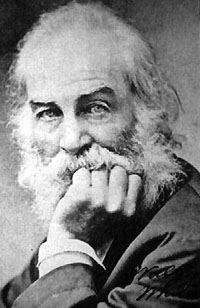
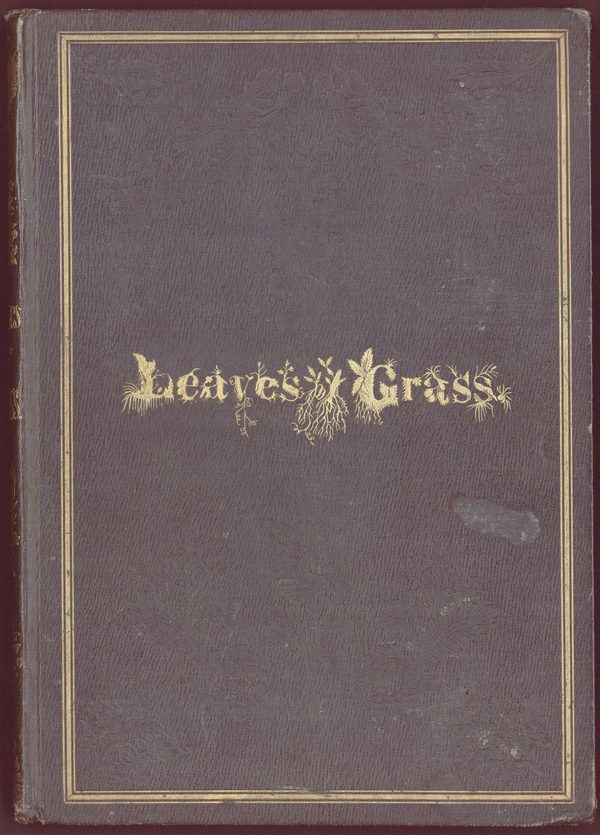
The poem appears in Leaves of Grass by Walt Whitman (1819–1892). The archive's text is taken from a 1900 edition of that book. The archive has carried the poem since February 2004, and it was a Poem of the Day in March 2004.
What readers have said
Jessica reads the poem as a father and daughter mourning the loss of the mother, with the father teaching that love lasts longer than the stars. Jessica, 2006
bird fancy admires how the poem shows a child's innocence and notes that Whitman never says the mother died, though it is logical to think so. bird fancy, 2006
Peter takes the unnamed something to be love, an everlasting passion, offered as consolation to a child who has probably lost her mother. Peter, 2006
The commenter signing as lonely reads it as a poem about not giving up hope, where staying close to someone eases the wait until the stars shine again. lonely, 2011
Dr umakant s patil, recalling teaching it to MA students, reads it as encouragement for a motherless child and a hope for a bright future. Dr umakant s patil, 2021
Rob Keown defends "the delicate brothers" as correctly quoted, suggesting Whitman could be referring to a Lithuanian legend of seven sleeping brothers. Rob Keown, 2010
This poem uses incedibly descriptive words to express the beach and human nature as no one else is able to. He sees into the human mind in a very unique way. I wish that I could write this well.
SarahUnited States
This is one of the most amazing poems I have read when it comes to getting into the human mind! WOW!
CarrieUnited States
This poem is amazing..It reminds me of my dad, who passed away recently...
JillianUnited States
I found this poem yesterday while I was looking for one for my AP english class. I fell in love with it the minute I finished reading it, it is by far the best poem that I have ever read.
KatherineUnited States
WOW this poem is awesome! It's really deep...it also reminded me of me and my dad a while ago when i was little....
NickUnited States
Something there is, (With my lips soothing thee, adding, I whisper, I give thee the first suggestion, the problem and indirection,) "Something there is more immortal even than the stars, (Many the burials, many the days and nights, passing away,) Something that shall endure longer even than lustrous Jupiter, Longer than sun, or any revolving satellite, Or the radiant brothers, the Pleiades." - Wonderful poem...Seems like he may be referring to there love. Does anyone else think this?
I think this poem is wonderful and creative. But if you look deeper into the meaning of this poem, one may think that it may be a father and daughter standing on a beach, mourning over the loss of the mother. To a little girl, her mother is the sun, moon and stars. And the father reminds the daughter that love will last longer than even the moon and stars. Look into the meaning of the words and read between the lines. It can look to be a very sad poem with a very deep meaning.
bird fancyUnited States
this poem is incredible at showing theinnocence of a child. yet, there is a slight mystery to it, since Walt Whitman doesn't say that the mother died, it is very logical to think so.. its beautiful
JessicaUnited States
It is true that the death of a mother is not mentioned, but if you read the poetry of dozens of other poets, they also do not mention the actual subject of their poems. It is left for us to ponder and figuer out. Like a riddle. The first sign that made me think that it was the death of a mother, was the mention of "burial" clouds. And it flowed into other signs as well. This poem is just awesome.
PeterSlovakia Republic
I think that this poem is about love which is an everlasting passion - more immortial than the stars on the sky. This should be the real consolation for the child who had probably lost her mother. Like the stars from the sky, so the passion of her mother should always shine in life of the child.
In “On the Beach at Night Alone,” Walt Whitman implies that everyone and everything is connected to nature. Whitman uses a variety of writing techniques to get his point across. First, the repetition and parallel structure that his poems contain reinforce the connection between everything in nature. The usage of “All” 11 times emphasizes the inclusion of everything in the universe. The sentence structure remains the…
Read the whole comment
In “On the Beach at Night Alone,” Walt Whitman implies that everyone and everything is connected to nature. Whitman uses a variety of writing techniques to get his point across. First, the repetition and parallel structure that his poems contain reinforce the connection between everything in nature. The usage of “All” 11 times emphasizes the inclusion of everything in the universe. The sentence structure remains the same throughout the poem, without any drastic change; however, the length of the lines in the poem vary. In addition, Whitman’s’ extravagance with his words further illustrates his idea of the Over-Soul. For example, “A vast similitude interlocks all” (4) shows his verbose nature. Whitman does not do directly to the point, but gives every little detail. Most importantly, Whitman’s’ use of catalogues stands as the most recognizable Whitman characteristic that illustrates his beliefs. These long lists that he uses set the mood of the poem. “All spheres, grown, ungrown, small, large, suns, moons, planets,” (5) shows the idea that everything is connected in nature. Similarly, “All nations, colors, barbarisms, civilizations languages.” (10) furthermore emphasize Whitman’s belief in the Over-Soul. Although Whitman uses a great deal of structural ways to stress his ideas, he also uses many other ways of delivering his ideas. First of all, Whitman portrays himself as a public spokesman of the masses. The tone of the poem is a very loud, informative tone that grabs ones attention. The emphasis placed on the word “all” adds to the characterization of Whitman as a powerful speaker. Furthermore, Whitman takes part in his own poem. Participating in his own poem, Whitman moreover illustrates the connection between everything in life. Lastly, Whitman, most of all, celebrates universal brotherhood and democracy. Once again, the inclusion of the word “all” so many times demonstrates Whitman’s belief in that everyone is connected no matter what their position is in society. Whitman stresses the fact that all humans are equal in that “All identities that have existed or may exist on this globe” (11) share similar connections with nature. Ultimately, Whitman’s belief in the Over-Soul reveals the bond between nature and the universe.
Rob KeownUnited States
Pleiades Brother/Sister
Regarding the comments on the "Swim the delicate brothers, the Pleiades." as incorrect. It is not. Many cultures have stories behind this constellation. In Whitman's time he could be referring to the Lithuanian legend tying the constellation to the "7 sleeping brothers."
Search on the term: "Lithuanian Ethnoastronomy" for more information on the 7 brothers.
i think that when he says the old mother he is comparing it to the earth and this is also a juxtaposition because he talks about the old earth and the future.
midnightsummerheatMorocco
night here in this poem is used to show to reflect the loneliness of the poet in this vast universe to which both he and all humanity is confronted to...though night is a symbole of depression and loneliness ..depression is to be avoided here in this poem...the poet is then feel himself caught between time and space ..and then become involved in the eternal ultimate mouvement of time and place
s.prabu09uen162India
comment
i think that in this poem poet says the truthful love between him and his daughter,his child may in sorrow and his father console your sorrow like strange cloud soon wanised but you like moon,so you can come frome sorrow like moon come from strange
lonelyUnited States
On a human level, it is about not giving up hope. it may be cloudy in the sky tonight, and i may not be able to see Jupiter and the Pleiades, but while staying close to someone to ease the loneliness, I can await another night where the stars will shine again. Sad times do not have to last forever. It is about the longevity of love. The child, placing almost human-like sympathy on Jupiter and the Pleiades is comforted by her father, who tells her that these stars are immortal and will shine again.
Dr umakant s patil
While teaching MA students ,it reminds me many things.Encouring the motherless child Saying that," if winter comes,can spring be far behind.".Hoping for bright future Umakant , S .Patil
This poem uses incedibly descriptive words to express the beach and human nature as no one else is able to. He sees into the human mind in a very unique way. I wish that I could write this well.
This is one of the most amazing poems I have read when it comes to getting into the human mind! WOW!
This poem is amazing..It reminds me of my dad, who passed away recently...
I found this poem yesterday while I was looking for one for my AP english class. I fell in love with it the minute I finished reading it, it is by far the best poem that I have ever read.
WOW this poem is awesome! It's really deep...it also reminded me of me and my dad a while ago when i was little....
Something there is,
(With my lips soothing thee, adding, I whisper,
I give thee the first suggestion, the problem and indirection,)
"Something there is more immortal even than the stars,
(Many the burials, many the days and nights, passing away,)
Something that shall endure longer even than lustrous Jupiter,
Longer than sun, or any revolving satellite,
Or the radiant brothers, the Pleiades." - Wonderful poem...Seems like he may be referring to there love. Does anyone else think this?
I think this poem is wonderful and creative. But if you look deeper into the meaning of this poem, one may think that it may be a father and daughter standing on a beach, mourning over the loss of the mother. To a little girl, her mother is the sun, moon and stars. And the father reminds the daughter that love will last longer than even the moon and stars. Look into the meaning of the words and read between the lines. It can look to be a very sad poem with a very deep meaning.
this poem is incredible at showing theinnocence of a child. yet, there is a slight mystery to it, since Walt Whitman doesn't say that the mother died, it is very logical to think so..
its beautiful
It is true that the death of a mother is not mentioned, but if you read the poetry of dozens of other poets, they also do not mention the actual subject of their poems. It is left for us to ponder and figuer out. Like a riddle. The first sign that made me think that it was the death of a mother, was the mention of "burial" clouds. And it flowed into other signs as well. This poem is just awesome.
I think that this poem is about love which is an everlasting passion - more immortial than the stars on the sky. This should be the real consolation for the child who had probably lost her mother. Like the stars from the sky, so the passion of her mother should always shine in life of the child.
In “On the Beach at Night Alone,” Walt Whitman implies that everyone and everything is connected to nature. Whitman uses a variety of writing techniques to get his point across. First, the repetition and parallel structure that his poems contain reinforce the connection between everything in nature. The usage of “All” 11 times emphasizes the inclusion of everything in the universe. The sentence structure remains the…
Read the whole commentIn “On the Beach at Night Alone,” Walt Whitman implies that everyone and everything is connected to nature. Whitman uses a variety of writing techniques to get his point across. First, the repetition and parallel structure that his poems contain reinforce the connection between everything in nature. The usage of “All” 11 times emphasizes the inclusion of everything in the universe. The sentence structure remains the same throughout the poem, without any drastic change; however, the length of the lines in the poem vary. In addition, Whitman’s’ extravagance with his words further illustrates his idea of the Over-Soul. For example, “A vast similitude interlocks all” (4) shows his verbose nature. Whitman does not do directly to the point, but gives every little detail. Most importantly, Whitman’s’ use of catalogues stands as the most recognizable Whitman characteristic that illustrates his beliefs. These long lists that he uses set the mood of the poem. “All spheres, grown, ungrown, small, large, suns, moons, planets,” (5) shows the idea that everything is connected in nature. Similarly, “All nations, colors, barbarisms, civilizations languages.” (10) furthermore emphasize Whitman’s belief in the Over-Soul.
Although Whitman uses a great deal of structural ways to stress his ideas, he also uses many other ways of delivering his ideas. First of all, Whitman portrays himself as a public spokesman of the masses. The tone of the poem is a very loud, informative tone that grabs ones attention. The emphasis placed on the word “all” adds to the characterization of Whitman as a powerful speaker. Furthermore, Whitman takes part in his own poem. Participating in his own poem, Whitman moreover illustrates the connection between everything in life. Lastly, Whitman, most of all, celebrates universal brotherhood and democracy. Once again, the inclusion of the word “all” so many times demonstrates Whitman’s belief in that everyone is connected no matter what their position is in society. Whitman stresses the fact that all humans are equal in that “All identities that have existed or may exist on this globe” (11) share similar connections with nature. Ultimately, Whitman’s belief in the Over-Soul reveals the bond between nature and the universe.
Pleiades Brother/Sister
Regarding the comments on the "Swim the delicate brothers, the Pleiades." as incorrect. It is not. Many cultures have stories behind this constellation. In Whitman's time he could be referring to the Lithuanian legend tying the constellation to the "7 sleeping brothers."
Search on the term: "Lithuanian Ethnoastronomy" for more information on the 7 brothers.
This poem is correctly quoted.
juxtaposition
i think that when he says the old mother he is comparing it to the earth and this is also a juxtaposition because he talks about the old earth and the future.
night here in this poem is used to show to reflect the loneliness of the poet in this vast universe to which both he and all humanity is confronted to...though night is a symbole of depression and loneliness ..depression is to be avoided here in this poem...the poet is then feel himself caught between time and space ..and then become involved in the eternal ultimate mouvement of time and place
comment
i think that in this poem poet says the truthful love between him and his daughter,his child may in sorrow and his father console your sorrow like strange cloud soon wanised but you
like moon,so you can come frome sorrow like moon come from strange
On a human level, it is about not giving up hope. it may be cloudy in the sky tonight, and i may not be able to see Jupiter and the Pleiades, but while staying close to someone to ease the loneliness, I can await another night where the stars will shine again. Sad times do not have to last forever. It is about the longevity of love. The child, placing almost human-like sympathy on Jupiter and the Pleiades is comforted by her father, who tells her that these stars are immortal and will shine again.
While teaching MA students ,it reminds me many things.Encouring the motherless child
Saying that," if winter comes,can spring be far behind.".Hoping for bright future
Umakant , S .Patil