Let it be forgotten, as a flower is forgotten,
Forgotten as a fire that once was singing gold.
Let it be forgotten forever and ever,
Time is a kind friend, he will make us old.
If anyone asks, say it was forgotten
Long and long ago,
As a flower, as a fire, as a hushed footfall
In a long-forgotten snow.
✦
Analysis
Let It Be Forgotten: analysis
Introduction
"Let It Be Forgotten" is a short lyric in two quatrains. The speaker asks that something be forgotten, as a flower or a fire is forgotten once it is gone. The poem never says what "it" is.
In the second stanza the speaker gives instructions. If anyone asks, they should be told it was forgotten "Long and long ago." The poem calls time "a kind friend" because it makes us old. Yet by repeating the word "forgotten" again and again, the poem shows how hard forgetting is.
Summary
The first stanza opens with a wish, stated in the poem's first words: "Let it be forgotten, as a flower is forgotten." Line 2 adds a second comparison, a fire "that once was singing gold." Line 3 repeats the same wish and stretches it to last "forever and ever." Line 4 then gives the speaker's reason for hoping that the wish will come true. "Time is a kind friend, he will make us old."
The second stanza turns from the wish itself to what other people should be told. "If anyone asks, say it was forgotten / Long and long ago." The speaker does not say who might ask, or who is meant to give this answer. The last two lines of the poem return to the flower and the fire of the first stanza and add a third image. It was forgotten like "a hushed footfall / In a long-forgotten snow."
Themes and meaning
Chosen forgetting. The poem is a request, not a report. The phrase "Let it be forgotten" is repeated in lines 1 and 3. The speaker wants forgetting to happen, and asks for it. What is to be forgotten is never named, which makes it feel private. It could be a love, a grief or a mistake, and the poem leaves it open.
The beauty of passing things. The images are all lovely and brief. A flower fades, a fire of "singing gold" burns out, and a footstep in snow is covered over. The poem does not call these things worthless. It suggests that what was beautiful can still pass without a trace.
Time as a friend. Line 4 calls time "a kind friend." The reason given is surprising: "he will make us old." Age is usually a loss. Here it is a mercy, because age brings distance and forgetting.
Forgetting that remembers. The word "forgotten" or "long-forgotten" appears six times. The more the speaker insists on forgetting, the more the poem dwells on it. The instruction "If anyone asks, say" also suggests a cover story. The poem can be read as a wish to forget that has not yet come true.
Tone
The tone is hushed, gentle and weary. The long, flowing lines of the first stanza sound like a sigh. The images are soft rather than bitter.
Line 4 is calm, almost consoling. Calling time "a kind friend" shows resignation more than grief. The speaker seems ready to let the years do their work.
The second stanza becomes quieter still. "If anyone asks" suggests a private matter kept from others. The final image of a footfall in old snow fades out, like the thing the speaker wants forgotten. Beneath the calm, the repeated wish hints at pain that has not gone away.
Form and structure
The poem has 8 lines in 2 stanzas of 4 lines. Line lengths vary widely, from 5 to 14 syllables. The long lines have a loose, falling rhythm with many light syllables, as in "Let it be forgotten forever and ever." The short line 6, "Long and long ago," breaks this flow.
In each stanza the second and fourth lines rhyme: "gold" and "old," then "ago" and "snow." Line 1 and line 5 both end on "forgotten," so the refrain word frames each stanza. Line 7 gathers the three main images into one list. The last line is short, letting the poem close softly.
Poetic devices
simile line 1
as a flower is forgotten The thing to be forgotten is compared to a faded flower. It suggests beauty that passes naturally.
synesthesia line 2
a fire that once was singing gold Sound and color are joined in the fire. The phrase makes the past bright and alive, which makes its loss sharper.
repetition line 3
Let it be forgotten forever and ever The wish from line 1 is repeated and stretched. The phrase forever and ever makes it sound like a spell or a prayer.
personification line 4
Time is a kind friend Time is given a character and a gender. It becomes a gentle companion rather than an enemy.
paradox line 4
he will make us old Growing old is offered as a kindness. Age brings forgetting, which the speaker wants.
diacope line 6
Long and long ago The repeated long stretches the phrase. It makes the past seem further away than it may be.
alliteration line 7
As a flower, as a fire, as a hushed footfall The repeated f sounds link the three images. The soft sound suits the hushed mood.
anaphora line 7
as a fire, as a hushed footfall The repeated as a gathers the images into a quiet list. It recalls the comparisons of the first stanza.
imagery line 8
In a long-forgotten snow A footstep in snow is soon covered. The image shows a trace disappearing completely.
Words worth knowing
footfall
The sound of a footstep.
hushed
Quiet or muffled, as sound is in snow.
Context
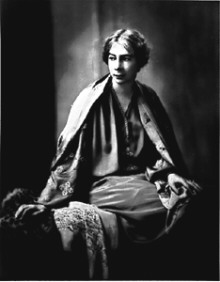
Sara Teasdale lived from 1884 to 1933. "Let It Be Forgotten" has been on this site since 2003. It was Poem of the Day on March 18, 2005. Readers left comments on it here between 2005 and 2019.
What readers have said
Charming reads the poem as showing time's gentleness, with people like snow that falls, lives and melts to make way for new growth. Charming, 2005
Quentin agrees with Charming and argues that the flower, fire and footfall are not called worthless. They are beautiful moments that pass and are replaced. Quentin, 2019
Maggie reads line 4 plainly: time really does make you forget, and that is why it is a friend. maggie, 2011
Al likes the poem but is not sure what it is about, which reflects how the poem never names what is to be forgotten. Al, 2010
This poem is incredible in that it talks of time is a gentle, refreshing manner. A snow will come and go, always brought by time. We too, are like the snow. We are brought here as freshly fallen snow, live our life, and die when the snow finally melts. Yet time is gentle, treating us with respect. Our lives will bring new growth in the form of spring flowers and grassy meadows. We are the wellspring for birth and rebirth, and time makes sure that we get our chance to create life or at least give it a good beginning. Let us remember that time is not our enemy, but our friend, and what we give Father Time, he will give back. Thank you Sara.
CommetUnited States
THIS POEM RULES DUDE!!!
Al
I think i like this poem a lot.... but im not 100% sure what its all about . Will someone tell me plzzz :)
maggieUnited States
let it be forgotten
this poem is very deep. i empthise with it. time really does make you forget, so therein is a freind.
Insightful and lovely analysis, Charming. Well done. I agree with you. Teasdale is not saying that the flower, the fire, or the hushed foot-fall on snow are not significant and beautiful. She is saying that these moments of beauty pass and they replaced by new flowers, fires, and foot-falls. It's why we cry when we witness a profound experience -- a wedding, a declaration of love, a song, a poem, a rainstorm, an eclipse. They are scintillating, they are meaningful, and then they are gone. The accumulation of these moments in time age us gently. But while we;re alive it makes life like lightning flashes of color and light.
This poem is incredible in that it talks of time is a gentle, refreshing manner. A snow will come and go, always brought by time. We too, are like the snow. We are brought here as freshly fallen snow, live our life, and die when the snow finally melts. Yet time is gentle, treating us with respect. Our lives will bring new growth in the form of spring flowers and grassy meadows. We are the wellspring for birth and rebirth, and time makes sure that we get our chance to create life or at least give it a good beginning. Let us remember that time is not our enemy, but our friend, and what we give Father Time, he will give back. Thank you Sara.
THIS POEM RULES DUDE!!!
I think i like this poem a lot.... but im not 100% sure what its all about . Will someone tell me plzzz :)
let it be forgotten
this poem is very deep. i empthise with it. time really does make you forget, so therein is a freind.
Insightful and lovely analysis, Charming. Well done. I agree with you. Teasdale is not saying that the flower, the fire, or the hushed foot-fall on snow are not significant and beautiful. She is saying that these moments of beauty pass and they replaced by new flowers, fires, and foot-falls. It's why we cry when we witness a profound experience -- a wedding, a declaration of love, a song, a poem, a rainstorm, an eclipse. They are scintillating, they are meaningful, and then they are gone. The accumulation of these moments in time age us gently. But while we;re alive it makes life like lightning flashes of color and light.