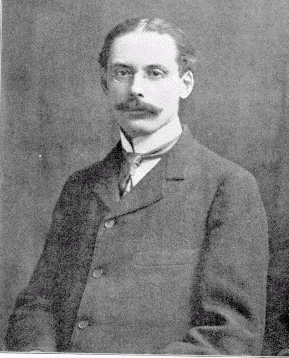
The poem
The miller's wife had waited long, The tea was cold, the fire was dead; And there might yet be nothing wrong In how he went and what he said: "There are no millers any more," Was all that she had heard him say; And he had lingered at the door So long that it seemed yesterday.
Sick with a fear that had no form She knew that she was there at last; And in the mill there was a warm And mealy fragrance of the past. What else there was would only seem To say again what he had meant; And what was hanging from a beam Would not have heeded where she went.
And if she thought it followed her, She may have reasoned in the dark That one way of the few there were Would hide her and would leave no mark: Black water, smooth above the weir Like starry velvet in the night, Though ruffled once, would soon appear The same as ever to the sight.
I first seen this poem in an English text in 1974 on a lost-n-found table in a locker-room after a 9th grade basketball game I played in. I always remembered this poem, and have always wished I'd had the guts to pull off my own suicide... and I still don't. But, this poem is about a double suicide. >"There are no mills anymore," is a statement of exasberation about the industrial revolution, and the decline in need…
Read the whole commentI first seen this poem in an English text in 1974 on a lost-n-found table in a locker-room after a 9th grade basketball game I played in. I always remembered this poem, and have always wished I'd had the guts to pull off my own suicide... and I still don't. But, this poem is about a double suicide. >"There are no mills anymore," is a statement of exasberation about the industrial revolution, and the decline in need for antiquated old-world ways of grinding grains in stream-fed grist mills. The "Miller" hung himself, and his wife, upon discovering him hanging there, indeed, flung herself into the black pool of water, that was momentarily disturbed, but soon became calm again, just like the idleness of the Mill's inoperative status that had caused her husband's grim decision to end it all. I still want to do suicide, and I still don't have the guts, and I credit this great poem and my memory of it for having given me cowardly death by proxy all these many years. E.A.Robertson, you rocked-out-loud, thank-you. --Malcolm McShannon, III
The Mill
I first encountered this poem as a senior in an English Literature class in high school in 1962. I credit that class, and especially the work I did with this poem...in particular the work I did with the word "long" with my current interest in the contemplative practice of Lectio Divina. I did not get the impression that the wife committed suicide, but that she certainly contemplated it by reasoning in the dark.