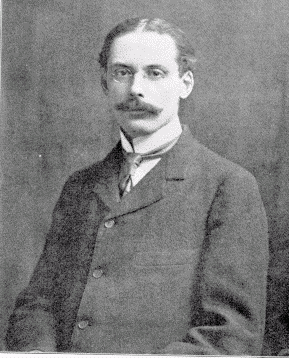
The poem
Withal a meagre man was Aaron Stark, -- Cursed and unkempt, shrewd, shrivelled, and morose. A miser was he, with a miser's nose, And eyes like little dollars in the dark. His thin, pinched mouth was nothing but a mark; And when he spoke there came like sullen blows Through scattered fangs a few snarled words and close, As if a cur were chary of its bark.
Glad for the murmur of his hard renown, Year after year he shambled through the town, -- A loveless exile moving with a staff; And oftentimes there crept into his ears A sound of alien pity, touched with tears, -- And then (and only then) did Aaron laugh.
I found this poem when looking for some other poetry. My first thought was that I wanted to be dissasociated from the subject from whom is it takes its title. The poet draws a sharp picture of what my namesake "Aaron" is like. His description may be a bit extreme, but I believe that I would immediately recognizethe other "Aaron" if we were to suddenly meet on some dark street. This is the beauty of word pictures that are done well using a flowing vocabulary that could describe a real person.
The poem seems to cut off after a couple stanzas. Is there more?
Why did you choose such a person? Any particular interest? Do you happen to have a good biography of Aaron Stark?
By the way, I do like your poem
this poem is almost the opposite of richard cory
i like it more not because of the happy ending but because of the character in a few lines he is deeply described making him actually seem real