1
BEAT! beat! drums!—Blow! bugles! blow!
Through the windows—through doors—burst like a ruthless force,
Into the solemn church, and scatter the congregation;
Into the school where the scholar is studying;
Leave not the bridegroom quiet—no happiness must he have now with his bride;
Nor the peaceful farmer any peace, plowing his field or gathering his grain;
So fierce you whirr and pound, you drums—so shrill you bugles blow.
2
Beat! beat! drums!—Blow! bugles! blow!
Over the traffic of cities—over the rumble of wheels in the streets:
Are beds prepared for sleepers at night in the houses? No sleepers must sleep in those
beds;
No bargainers’ bargains by day—no brokers or speculators—Would they
continue?
Would the talkers be talking? would the singer attempt to sing?
Would the lawyer rise in the court to state his case before the judge?
Then rattle quicker, heavier drums—you bugles wilder blow.
3
Beat! beat! drums!—Blow! bugles! blow!
Make no parley—stop for no expostulation;
Mind not the timid—mind not the weeper or prayer;
Mind not the old man beseeching the young man;
Let not the child’s voice be heard, nor the mother’s entreaties;
Make even the trestles to shake the dead, where they lie awaiting the hearses,
So strong you thump, O terrible drums—so loud you bugles blow.
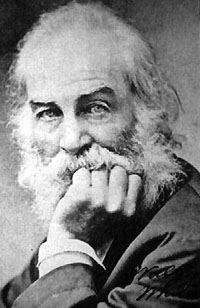
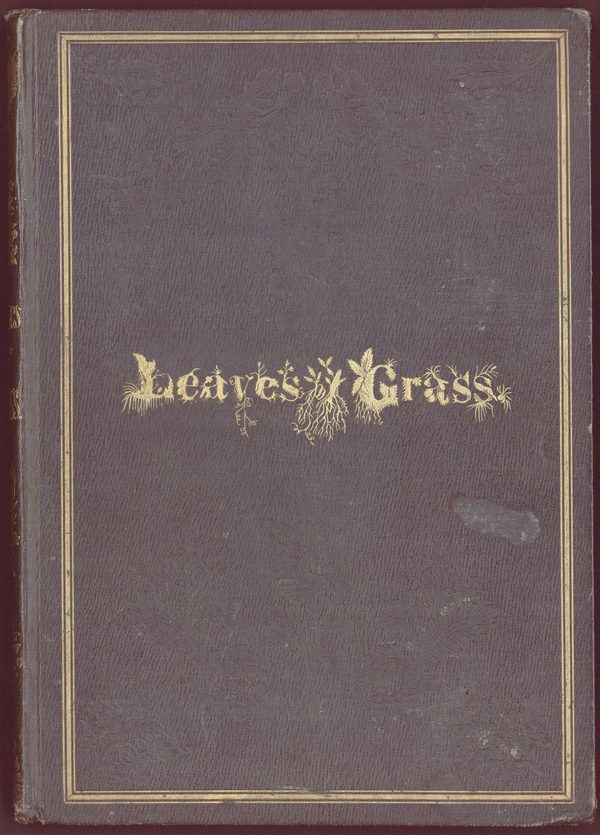
“Beat! Beat! Drums!” is a poem of three stanzas in which a speaker commands the drums and bugles of war to break into ordinary life. It appears in Whitman’s Leaves of Grass. Each stanza opens with the same shouted refrain and ends with a line about how loud the instruments are.
Between those lines, the sound is sent into churches, schools, marriages, farms, city streets, markets, courts and houses of mourning. Nothing is allowed to go on as before. The poem can be read as a rallying cry or as a picture of how war overrides every private and public claim. The text supports both readings.
Summary
The first stanza opens with the refrain "BEAT! beat! drums!—Blow! bugles! blow!" The speaker tells the sound to burst through windows and doors "like a ruthless force." It is to enter the church and "scatter the congregation," and to enter the school where the scholar studies. The bridegroom is not to be left quiet with his bride, and the farmer is to have no peace at plowing or harvest. The stanza ends: "So fierce you whirr and pound, you drums—so shrill you bugles blow."
The second stanza repeats the refrain. The sound now carries over city traffic and "the rumble of wheels in the streets." The speaker asks whether beds are prepared for sleepers and answers that no one must sleep in them. There are to be no bargains by day and no brokers or speculators. The speaker asks whether talkers, singers and lawyers would carry on. The stanza closes with an order to the drums to rattle "quicker, heavier" and to the bugles to blow wilder.
The third stanza repeats the refrain once more. The speaker orders the drums to "Make no parley" and to "stop for no expostulation." They are to ignore the timid, the weeper, the one who prays, and "the old man beseeching the young man." The child’s voice and the mother’s pleas are not to be heard. The drums are even to shake the trestles where the dead lie "awaiting the hearses." The poem ends: "So strong you thump, O terrible drums—so loud you bugles blow."
Themes and meaning
War as an invasion of ordinary life is the central idea. The drums do not stay on a battlefield. They go "Through the windows—through doors" and into church, school, farm, street, market and court. The list covers worship, learning, love, work, trade, talk, art and law. The poem measures war by what it interrupts.
The poem also sets noise against private feeling. The bridegroom must have "no happiness" with his bride (line 6). The farmer is denied "any peace" (line 7). In the third stanza the voices of the weak are shut out: the timid, the weeper, the old man, the child and the mother. The many questions in the second stanza get no reply except louder drumming.
A third idea is the suspension of civil order. The speaker asks, "Would the lawyer rise in the court to state his case before the judge?" The implied answer is no. Bargains, brokers and speculators also stop. The order to "Make no parley" rules out negotiation itself. Argument, pleading and reasoning give way to sound.
War's reach extends even to the dead. The last image has the drums shaking "the trestles" under the dead "awaiting the hearses." Mourning, the last private rite, is disturbed too. This line can be read as proof of war's total claim. It can also be read as the cost of war already present in the poem, before any battle is named.
Whether the poem celebrates or condemns this force is open. The imperatives and rising volume read like a call to arms. Yet the drums are called "a ruthless force" and "terrible drums." The poem never states its own judgment. It shows everything the drums override and leaves the reader to weigh it.
Tone
The tone is urgent, commanding and loud from the first word. The capitalised "BEAT!" and the string of exclamation marks set a pitch the poem never drops. The speaker speaks in imperatives: "Leave not," "Make no parley," "Mind not," "Let not."
The intensity rises from stanza to stanza. The first closing line calls the drums "fierce" and the bugles "shrill." The second demands they rattle "quicker, heavier." The third calls them "terrible" and "loud."
The speaker's attitude is harder to fix. The commands sound eager, even exultant. Yet the words chosen for the drums, "ruthless" and "terrible," carry an edge of dread. The speaker names each thing to be silenced with some care: the child, the mother, the old man. This mix of zeal and awareness of cost is where readers divide.
Form and structure
The poem has 26 lines in 3 stanzas of 8, 10 and 8 lines. That count includes the numeral heading each stanza and two short wrapped continuations, at line 13 and line 15. It is free verse with no regular metre. Line lengths run from 0 to 20 syllables, and the long catalogue lines stretch out between short, fixed ones.
The structure is built on repetition. Each stanza opens with the same refrain of seven syllables. Its first half, "Beat! beat! drums!", is three heavy stressed beats, like drum strokes. Each stanza closes with a line that ends on "blow," so the refrain and the closing line bracket every stanza. There is no other rhyme, and dashes break many lines into short bursts.
Poetic devices
Refrain line 2
BEAT! beat! drums!—Blow! bugles! blow! The same line opens all three stanzas. It works like a repeated drum call and gives the poem its insistent beat.
Simile line 3
burst like a ruthless force The sound is compared to a violent force breaking in. It turns noise into something physical that can smash windows and doors.
Onomatopoeia line 8
So fierce you whirr and pound The verbs 'whirr' and 'pound' imitate the sound of the drums. The reader hears the instruments as well as being told about them.
Polyptoton line 7
Nor the peaceful farmer any peace The same root appears twice. The farmer is 'peaceful' by nature but is denied 'peace' by the drums, which sharpens the loss.
Alliteration line 14
No bargainers’ bargains by day The repeated 'b' sounds echo the beat of 'Beat' and 'bugles' and make the ban on trade sound like more drumming.
Rhetorical question line 16
Would the talkers be talking? would the singer attempt to sing? The questions expect the answer no. They show ordinary speech and song made impossible without stating it outright.
Parallelism line 11
Over the traffic of cities—over the rumble of wheels in the streets The repeated 'over' and the dash stack one place on another. It shows the sound spreading across the whole city.
Anaphora line 22
Mind not the timid—mind not the weeper or prayer The repeated command 'Mind not' continues into line 23. Each repetition dismisses another group who might plead against the drums.
Imagery line 25
Make even the trestles to shake the dead, where they lie awaiting the hearses The image of coffins shaken on their supports is the poem's most extreme. It carries the disturbance past the living to the dead.
Apostrophe line 26
So strong you thump, O terrible drums The speaker addresses the drums directly as 'O terrible drums'. The word 'terrible' lets dread enter the final praise of their power.
Words worth knowing
parley
A talk between opposing sides, especially to negotiate before or during fighting. 'Make no parley' means no negotiation.
expostulation
An earnest protest or attempt to reason someone out of an action.
speculators
People who buy and sell to profit from changes in price.
beseeching
Begging urgently. The old man pleads with the young man, presumably not to go.
entreaties
Earnest requests or pleas.
trestles
Frames or stands, here the supports on which a coffin rests before burial.
What readers have said
H H Hughes reads the poem as full of irony, and sees in it dead soldiers kept from the hearses by a celebrating crowd caught up in war fever. H H Hughes, 2004
T. Chadwick hears the drumbeat under every word, growing in intensity each stanza, and pictures columns of soldiers swelling as they pass through towns. T. Chadwick, 2005
cody hadley reads the drums quite differently, as a message telling ordinary people to break out of their routine and live. cody hadley, 2005
erica argues the poem is neither a call to fight for freedom nor a call to live more fully, but a tearing down of the glory of war. erica, 2005
Dan holds that the poem's war theme does not cancel the reading that it urges people to wake up to life, since it is open to interpretation. Dan, 2006
Caleb Mauti reads the poem as placing the madness of war into common citizens' lives, and argues that the common man is the one most affected. Caleb Mauti, 2011
Some have mistakenly assumed that Whitman wrote no irony, but I see both his poems "The Learned Astronomer" and "Beat!Beat!Drums" as dripping with irony. The first, the arrogance of mortal man before the infinite Creation, the latter, the picture of a trainload of dead soldiers forced to stand over the river unable to enter town and the hearses because of the celebrating crowd and war fever on Recruiting Day!
bradUnited States
This poem kicks but it is so powerful and shows the meaning of war what it really is
TerikaUnited States
i strongly disagree that this poem was so great! it sucks to me. Absolutely no meaning to me.
T. ChadwickUnited States
This poem surely does evoke powerful emotions. The beating of the drums underlies every word, every thought, every rhythm, growing with intensity with each passing stanza. I could hear the snap of the snare as I pictured with Whitman the columns of soldiers growing in numbers as it passed through towns, past churches and schools, past merchants and mothers and children (whose husbands and fathers were surely…
Read the whole comment
This poem surely does evoke powerful emotions. The beating of the drums underlies every word, every thought, every rhythm, growing with intensity with each passing stanza. I could hear the snap of the snare as I pictured with Whitman the columns of soldiers growing in numbers as it passed through towns, past churches and schools, past merchants and mothers and children (whose husbands and fathers were surely compelled by patriotism and loyalty and the oncoming war to join the growing throng). And just as the drums echoed through EVERYTHING, reverberating even in the ears of the dead (who await the onslaught of newcomers, those who will inevitably fall victim to the ravages of war), the Civil War would filter through every aspect of life in the growing United States. Such growing pains were inevitable, for to stand for justice, the nation must fight those who would detract from freedom for all. I think Whitman, the Great Patriot, felt the war was necessary for the furthering of the ideals of democracy.
Contrast the images in this poem with Whitman’s images in “Lilacs,” one of the poet’s grieving statements about Lincoln’s death, paradoxically combined with the renewal and growing opportunities in America. Instead of drums beating of death and marching on about the inevitability of war, the mourning song of the bird, the perfume of the lilacs, the mothers and children coming out of their homes witness of life and renewal and growth and freedom. For even though Lincoln, the Captain of captains, was dead, the Civil War was over (or at least drawing to a close) and the smoke began to clear and the sun shined again. America was enveloped in Spring.
HazelUnited States
I found this poem as a very interesting one. Though it's full of emotions wherein he had talked about the beating of the drums, the sound of it makes your heart pound. every beat of the drum underlies every word of rythym and intensifies the situation while the soldiers were marching as the go along the churches and schools
cody hadleyUnited States
interesting, i intepreted this poem quite differently. i thought the beating of the drums was a message being sent to the monotonous commoners to tell them that they need to get away from their everyday life and live a little. A lot of things were going on in the 1800's but still, don't let that stop one from being free and just LIVING! but then again, i am horrible at interpreting any written form of material.
ericaUnited States
In this poem by walt whitman he is not encouraging a war for freedom or telling people to branch out and live a fuller life but he is rather tearing down the so called glory of war and showing it for what it really is- a home wreaking, life destroying, soul reaping mistake that serves no purpose but to cause pain and misery leaving in its wake empty places where young men once were. Whitman was a strong anti war…
Read the whole comment
In this poem by walt whitman he is not encouraging a war for freedom or telling people to branch out and live a fuller life but he is rather tearing down the so called glory of war and showing it for what it really is- a home wreaking, life destroying, soul reaping mistake that serves no purpose but to cause pain and misery leaving in its wake empty places where young men once were. Whitman was a strong anti war poet who felt that war did nothing but destroy the earth and his use of the drums and bugles to sybolize the essence of war that leaves "no happiness" and is a "wild","shrill", "fierce", and "terrible" entity. This is a beautiful poem which decrys a torn nation and speaks a message of peace and the emptiness of war that holds true not only to its own era but also to future generations.
VeronicaUnited States
In the first verse I think that it (the war) is to draw alls attention. In the second, I find that the war is tell you to stop what you are doing and to watch it. And the third could be about not allowing anyone to interrupt this great war that we had against ourselves.
KatieUnited States
This a great poem. I would like to use it in my American Lit class but I need to find 5 literary devices. Can anyone help?
DanUnited States
I think the strange nature of great work can be an openness to interpretation. Surely this poem has a war theme, but that doesn't make the interpretation that the poem is urging people to wake up to life invalid. Whitman contains multitudes, he is his world, and while he can be the war, the war can also be his poetry, a ringing, messianic declamation. He sees the war, but is bigger than it. He can simultaneously rage against the war, without throwing in some political dig that would less the poem's ability to transcend the war, and beat the drum himself for the bigger war of the spirit.
EstherUnited States
In this poem Whitman is talking about the battle of Bull Run. He is describing how the people of the North have to mobilize because of the war and they will never be the same again because the war dominates every aspect of their lives.
mikayla dennisUnited States
interseting
i love this poem and one of his other works called 'o captain, my captain'... its an interesting poem about death and a fathers love. i love walt whitman and adger allen poe, and many others i cant name (be to long)
David JamesonUnited States
great poem
Beat! Beat! Drums! The tite is showing the intensity of war and fighting and no one can escape the sounds of the drums. Walt Whitman wrote this poem during the civil war and this peom is about the battle of Bull Run.The poem is not about fighting for freedom or justice, but is to show what war really is. A life destroying mistake that has no purpose but to cause pain and misery.The "drums" and "bugles" are symbols…
Read the whole comment
Beat! Beat! Drums! The tite is showing the intensity of war and fighting and no one can escape the sounds of the drums. Walt Whitman wrote this poem during the civil war and this peom is about the battle of Bull Run.The poem is not about fighting for freedom or justice, but is to show what war really is. A life destroying mistake that has no purpose but to cause pain and misery.The "drums" and "bugles" are symbols of war because they were used in the procession into battle."Would the talkers be talking? would the singer attempt to sing? Would the lawyer rise in the court to state his case before the judge?" This quote means that everyone is effected by the war.." While the war rages there can be "no happiness" or "any peace." Is a quote that shows that Whitman prefers peace than war. Whitmans attitude in this poem it seems as though Whitman is in bloodlust, but suddenly changes to depression and unhappiness.The title increases intensity throughout the poem leading to the climax of "war!" The theme of this poem is war is more bad than good.
In this poem, Whitman places the collective madness of war into the context of the common citizen’s lives. He shows how war can plough through society, disrupting its peace, tranquility, order, and harmony. He shows that chaos is the order of the day in war. Whitman is smart enough to evade mentioning the cause of the instability and the soldiers fighting the war. He Cleary shows that in war, it is the common man that has more to lose and most affected. Review by Ondieng’a Mauti Caleb.
Caleb MautiKenya
The Perils of War
In this poem, Whitman places the collective madness of war into the context of the common citizen’s lives. He shows how war can plough through society, disrupting its peace, tranquility, order, and harmony. He shows that chaos is the order of the day in war. Whitman is smart enough to evade mentioning the cause of the instability and the soldiers fighting the war. He cleary demonstrates that, the perils of war mostly affect the common man. He is the most affected. Analysis by Caleb Mauti.
Some have mistakenly assumed that Whitman wrote no irony, but I see both his poems "The Learned Astronomer" and "Beat!Beat!Drums" as dripping with irony. The first, the arrogance of mortal man before the infinite Creation, the latter, the picture of a trainload of dead soldiers forced to stand over the river unable to enter town and the hearses because of the celebrating crowd and war fever on Recruiting Day!
This poem kicks but it is so powerful and shows the meaning of war what it really is
i strongly disagree that this poem was so great! it sucks to me. Absolutely no meaning to me.
This poem surely does evoke powerful emotions. The beating of the drums underlies every word, every thought, every rhythm, growing with intensity with each passing stanza. I could hear the snap of the snare as I pictured with Whitman the columns of soldiers growing in numbers as it passed through towns, past churches and schools, past merchants and mothers and children (whose husbands and fathers were surely…
Read the whole commentThis poem surely does evoke powerful emotions. The beating of the drums underlies every word, every thought, every rhythm, growing with intensity with each passing stanza. I could hear the snap of the snare as I pictured with Whitman the columns of soldiers growing in numbers as it passed through towns, past churches and schools, past merchants and mothers and children (whose husbands and fathers were surely compelled by patriotism and loyalty and the oncoming war to join the growing throng). And just as the drums echoed through EVERYTHING, reverberating even in the ears of the dead (who await the onslaught of newcomers, those who will inevitably fall victim to the ravages of war), the Civil War would filter through every aspect of life in the growing United States. Such growing pains were inevitable, for to stand for justice, the nation must fight those who would detract from freedom for all. I think Whitman, the Great Patriot, felt the war was necessary for the furthering of the ideals of democracy.
Contrast the images in this poem with Whitman’s images in “Lilacs,” one of the poet’s grieving statements about Lincoln’s death, paradoxically combined with the renewal and growing opportunities in America. Instead of drums beating of death and marching on about the inevitability of war, the mourning song of the bird, the perfume of the lilacs, the mothers and children coming out of their homes witness of life and renewal and growth and freedom. For even though Lincoln, the Captain of captains, was dead, the Civil War was over (or at least drawing to a close) and the smoke began to clear and the sun shined again. America was enveloped in Spring.
I found this poem as a very interesting one. Though it's full of emotions wherein he had talked about the beating of the drums, the sound of it makes your heart pound. every beat of the drum underlies every word of rythym and intensifies the situation while the soldiers were marching as the go along the churches and schools
interesting, i intepreted this poem quite differently. i thought the beating of the drums was a message being sent to the monotonous commoners to tell them that they need to get away from their everyday life and live a little. A lot of things were going on in the 1800's but still, don't let that stop one from being free and just LIVING! but then again, i am horrible at interpreting any written form of material.
In this poem by walt whitman he is not encouraging a war for freedom or telling people to branch out and live a fuller life but he is rather tearing down the so called glory of war and showing it for what it really is- a home wreaking, life destroying, soul reaping mistake that serves no purpose but to cause pain and misery leaving in its wake empty places where young men once were. Whitman was a strong anti war…
Read the whole commentIn this poem by walt whitman he is not encouraging a war for freedom or telling people to branch out and live a fuller life but he is rather tearing down the so called glory of war and showing it for what it really is- a home wreaking, life destroying, soul reaping mistake that serves no purpose but to cause pain and misery leaving in its wake empty places where young men once were. Whitman was a strong anti war poet who felt that war did nothing but destroy the earth and his use of the drums and bugles to sybolize the essence of war that leaves "no happiness" and is a "wild","shrill", "fierce", and "terrible" entity. This is a beautiful poem which decrys a torn nation and speaks a message of peace and the emptiness of war that holds true not only to its own era but also to future generations.
In the first verse I think that it (the war) is to draw alls attention. In the second, I find that the war is tell you to stop what you are doing and to watch it. And the third could be about not allowing anyone to interrupt this great war that we had against ourselves.
This a great poem. I would like to use it in my American Lit class but I need to find 5 literary devices. Can anyone help?
I think the strange nature of great work can be an openness to interpretation. Surely this poem has a war theme, but that doesn't make the interpretation that the poem is urging people to wake up to life invalid. Whitman contains multitudes, he is his world, and while he can be the war, the war can also be his poetry, a ringing, messianic declamation. He sees the war, but is bigger than it. He can simultaneously rage against the war, without throwing in some political dig that would less the poem's ability to transcend the war, and beat the drum himself for the bigger war of the spirit.
In this poem Whitman is talking about the battle of Bull Run. He is describing how the people of the North have to mobilize because of the war and they will never be the same again because the war dominates every aspect of their lives.
interseting
i love this poem and one of his other works called 'o captain, my captain'... its an interesting poem about death and a fathers love. i love walt whitman and adger allen poe, and many others i cant name (be to long)
great poem
Beat! Beat! Drums! The tite is showing the intensity of war and fighting and no one can escape the sounds of the drums. Walt Whitman wrote this poem during the civil war and this peom is about the battle of Bull Run.The poem is not about fighting for freedom or justice, but is to show what war really is. A life destroying mistake that has no purpose but to cause pain and misery.The "drums" and "bugles" are symbols…
Read the whole commentBeat! Beat! Drums! The tite is showing the intensity of war and fighting and no one can escape the sounds of the drums. Walt Whitman wrote this poem during the civil war and this peom is about the battle of Bull Run.The poem is not about fighting for freedom or justice, but is to show what war really is. A life destroying mistake that has no purpose but to cause pain and misery.The "drums" and "bugles" are symbols of war because they were used in the procession into battle."Would the talkers be talking? would the singer attempt to sing?
Would the lawyer rise in the court to state his case before the judge?" This quote means that everyone is effected by the war.." While the war rages there can be "no happiness" or "any peace." Is a quote that shows that Whitman prefers peace than war. Whitmans attitude in this poem it seems as though Whitman is in bloodlust, but suddenly changes to depression and unhappiness.The title increases intensity throughout the poem leading to the climax of "war!" The theme of this poem is war is more bad than good.
The Perils of War
In this poem, Whitman places the collective madness of war into the context of the common citizen’s lives. He shows how war can plough through society, disrupting its peace, tranquility, order, and harmony. He shows that chaos is the order of the day in war.
Whitman is smart enough to evade mentioning the cause of the instability and the soldiers fighting the war. He Cleary shows that in war, it is the common man that has more to lose and most affected.
Review by Ondieng’a Mauti Caleb.
The Perils of War
In this poem, Whitman places the collective madness of war into the context of the common citizen’s lives. He shows how war can plough through society, disrupting its peace, tranquility, order, and harmony. He shows that chaos is the order of the day in war.
Whitman is smart enough to evade mentioning the cause of the instability and the soldiers fighting the war. He cleary demonstrates that, the perils of war mostly affect the common man. He is the most affected.
Analysis by Caleb Mauti.