It's August and I have not
read a book in six months
except something called The Retreat from Moscow
by Caulaincourt.
Nevertheless, I am happy
riding in a car with my brother
and drinking from a pint of Old Crow.
We do not have any place in mind to go,
we are just driving.
If I closed my eyes for a minute
I would be lost, yet
I could gladly lie down and sleep forever
beside this road.
My brother nudges me.
Any minute now, something will happen.
✦
Analysis
Drinking While Driving: analysis
Introduction
"Drinking While Driving" is a short free-verse poem in one stanza. The speaker rides in a car with a brother, drinking whiskey, with nowhere in particular to go. The speaker admits to having read almost nothing for months.
Even so, the speaker says, "Nevertheless, I am happy." The calm is shadowed by a wish to "sleep forever / beside this road." The poem ends on a line of waiting: "Any minute now, something will happen." It is a poem about drift, contentment and a danger that is never named.
Summary
The speaker opens by giving the month: "It's August." The speaker has not read a book in six months. The one exception is a book called The Retreat from Moscow, by Caulaincourt. The admission is stated flatly, without explanation.
The speaker then says, "Nevertheless, I am happy." The happiness comes from riding in a car with a brother. The speaker is drinking from a pint of Old Crow. The two have no destination in mind and are "just driving."
The speaker reflects on the moment. If the speaker closed both eyes for a minute, the speaker would be lost. Yet the speaker could "gladly lie down and sleep forever" beside the road they are on. The two thoughts sit side by side.
The last two lines return to the car. The brother nudges the speaker. The poem ends with the statement, "Any minute now, something will happen." The poem does not say what that something is.
Themes and meaning
The first theme is contentment without purpose. The speaker has stopped reading and has no plan. The two men have no "place in mind to go." Yet the speaker insists on being happy. The word "Nevertheless" in line 5 admits that this happiness goes against the facts just listed.
A second theme is the pull toward death or oblivion. Line 12 says the speaker "could gladly lie down and sleep forever." The phrase "sleep forever" is a common way of speaking of death. The place is "beside this road," in a car where someone is drinking. The poem does not state a death wish, but the words allow that reading.
A third theme is retreat. The only book the speaker has read is The Retreat from Moscow. That title names a defeated army falling back. Set in this poem, it can be read as a mirror of the speaker's own withdrawal from reading, work and direction. The poem makes no comment on the link, so it remains a suggestion.
A fourth theme is waiting. The final line, "Any minute now, something will happen," can be read two ways. It may be hopeful, the sense that life is about to change. It may also be ominous, given the whiskey, the closed eyes and the road. The poem stops before either is confirmed.
A quieter theme is companionship. The brother is present throughout and shares the drive. His nudge in line 14 is the only action in the poem. It may simply wake the speaker, or it may mark the start of whatever is coming.
Tone
The tone is relaxed, flat and confiding. The speaker talks plainly, in the voice of someone recounting an ordinary afternoon. There is no alarm in the words, even about drinking in a car.
Beneath the calm there is unease. The admission about not reading sounds slightly guilty. "Nevertheless" shows the speaker knows the happiness needs defending. The wish to "sleep forever" is said "gladly," which makes it more troubling, not less.
The last line shifts the tone toward expectancy. "Any minute now" has a restless, almost eager ring. Whether the feeling is hope or foreboding is left open. The poem ends suspended between them.
Form and structure
The poem has 15 lines in 1 stanza. It is free verse with no metre. Lines run from 2 to 13 syllables, and the short line "by Caulaincourt" is the briefest.
There is almost no rhyme. The one clear pair is "Crow" and "go" at the ends of lines 7 and 8. Much of the poem is enjambed, as in "I have not / read a book," so sentences spill across lines. Lines 10 to 13 form one long sentence that turns on "yet."
Poetic devices
Enjambment line 1
It's August and I have not The line breaks after "not," so the reader waits to learn what the speaker has not done. The confession arrives on the next line.
Allusion line 3
The Retreat from Moscow The title points to an account of an army's disastrous retreat. It lends the speaker's own drifting a hint of defeat.
Concession line 5
Nevertheless, I am happy The word "Nevertheless" admits that the facts so far do not support happiness. The speaker claims it anyway.
Concrete detail line 7
drinking from a pint of Old Crow The brand name and the bottle size make the scene exact. They also make the drinking impossible to overlook, given the title.
Rhyme line 8
any place in mind to go "go" rhymes with "Crow" in line 7, the only clear rhyme in the poem. It ties the drinking to the aimless driving.
Juxtaposition line 11
I would be lost, yet The fear of being lost is set against the wish to sleep. The word "yet" turns the sentence from one feeling to its opposite.
Euphemism line 12
sleep forever The phrase is a familiar way of naming death. Said "gladly," it hints at a wish for oblivion without stating it.
Ambiguity line 15
Any minute now, something will happen. The line can be heard as hope or as warning. Ending here leaves the reader waiting with the speaker.
Words worth knowing
Caulaincourt
Armand de Caulaincourt, a French general and diplomat who served Napoleon and wrote memoirs of Napoleon's retreat from Russia.
Old Crow
A brand of American bourbon whiskey.
pint
Here, a pint-sized bottle of liquor, small enough to drink from in a car.
Context
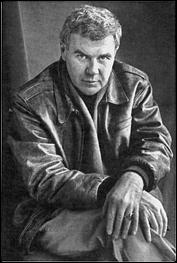
Raymond Carver lived from 1938 to 1988. "Drinking While Driving" has been on americanpoems.com since 2004. Readers left 9 comments on it between 2004 and 2011.
What readers have said
Tommy calls the poem a depressing reminder of nihilism and emptiness, lacking the force of Carver's short stories. Tommy, 2004
adrienne m. hribko answers that the word "Nevertheless" is the key. This reader sees the speaker relishing the moment, against whatever shortcomings surround it. adrienne m. hribko, 2004
Bruce sides with that reading and tells the first commenter to look deeper. Bruce, 2004
Keefo grants that Carver is not an intellectually difficult writer, but argues the poem offers simple thought with deep meaning. Keefo, 2005
Tia Hazel reads the poem as a warning that drinking and driving can hurt someone who did nothing wrong. Tia Hazel, 2006
This is the last thing the world needs - a depressing reminder of nihilism and emptiness. This poem is without the descriptive beauty and force of RC's short stories, which provide in their truth and economy their own answers and give a sense of the soul of the characters involved.
adrienne m. hribko
Please look beyond your predjudice to the obvious connotation of the title, and what it may imply... if you truly take into account the image that is being conjured, you could actually find something quite beautiful. Even the word "nevertheless"... think about it... "contrary" to the world around us, "contrary" to whatever shortcomings we perceive, the character perceives, he is relishing in the moment. I believe that, more than anything, Carver is making reference to the freedom of living in the moment, despite what tomorrow might bring. Quite lovely, with silence in a certain chaos, if you ask me..
Adrienne is right on the money. Tommy, you must look deeper.
jazlynCanada
drinking and driving saturday it's cold someone will pay someone will pay for where she lay she lay in the darkness she lay in the cold where someday she will lie millions of days old not here to spend time with me not here to laugh and cry somebody is now asking themself why why does she lie she lies in this darkness she lies in this cold because she wan't reminded nor was she told not to drink and drive or here she would lie in this darkness in this cold lying without me eventually millions of days old she would lie here by herself with only comfort from me now you see why you don't drink and drive or here you'll be
Jock StrapChile
I would blow this guy away with the thoughts in my head. I can't beleive this guys famous and not me. Somewhere, Kurt Cobain is laughing at these poems. If u want to publish somthing good email me Carver... we'll talk.
To Jock Strap, I'm sure you would "blow Raymond Carver away" with the thoughts in your head. It sounds like you are a deep thinker. A real renaissance man. Indeed, Kurt Cobain would fit that category too. What a philosopher! You both are two of the finest poetic minds that the world has to offer. How do you not get more respect? I say it's bullshit. You should be an award winning novelist/poet/songwriter. You should get all the chicks. You are clearly a winner in life. You deserve it. Because you are such an outstanding intellect.
Seriously. Get off Carver's nuts.
KeefoUnited Kingdom
while i agree with Jockstrap that Carver may not be the most intellectually challenging of writers or include much challenging philosophies as such, it is important to note that this is not what contemporary American prose/poetry is about. It is about simple thought with deep meaning. The story and the meaning of the story are one and the same. Even if we look back to the beat writers of the 50's and 60's we can find the deepeset of meanings in the simplest of stories
Tia HazelUnited States
This poem is very intresting and it makes you feel if you dinrk and drive you could be that hurt person for doing nothing wrong
This is the last thing the world needs - a depressing reminder of nihilism and emptiness. This poem is without the descriptive beauty and force of RC's short stories, which provide in their truth and economy their own answers and give a sense of the soul of the characters involved.
Please look beyond your predjudice to the obvious connotation of the title, and what it may imply... if you truly take into account the image that is being conjured, you could actually find something quite beautiful. Even the word "nevertheless"... think about it... "contrary" to the world around us, "contrary" to whatever shortcomings we perceive, the character perceives, he is relishing in the moment. I believe that, more than anything, Carver is making reference to the freedom of living in the moment, despite what tomorrow might bring. Quite lovely, with silence in a certain chaos, if you ask me..
Adrienne is right on the money. Tommy, you must look deeper.
drinking and driving
saturday it's cold
someone will pay
someone will pay for where she lay
she lay in the darkness
she lay in the cold
where someday she will lie
millions of days old
not here to spend time with me
not here to laugh and cry
somebody is now asking themself
why why does she lie
she lies in this darkness
she lies in this cold
because she wan't reminded
nor was she told
not to drink and drive
or here she would lie
in this darkness in this cold
lying without me
eventually millions of days old
she would lie here by herself
with only comfort from me
now you see why
you don't drink and drive
or here you'll be
I would blow this guy away with the thoughts in my head. I can't beleive this guys famous and not me. Somewhere, Kurt Cobain is laughing at these poems. If u want to publish somthing good email me Carver... we'll talk.
To Jock Strap,
I'm sure you would "blow Raymond Carver away" with the thoughts in your head. It sounds like you are a deep thinker. A real renaissance man. Indeed, Kurt Cobain would fit that category too. What a philosopher! You both are two of the finest poetic minds that the world has to offer. How do you not get more respect? I say it's bullshit. You should be an award winning novelist/poet/songwriter. You should get all the chicks. You are clearly a winner in life. You deserve it. Because you are such an outstanding intellect.
Seriously. Get off Carver's nuts.
while i agree with Jockstrap that Carver may not be the most intellectually challenging of writers or include much challenging philosophies as such, it is important to note that this is not what contemporary American prose/poetry is about. It is about simple thought with deep meaning. The story and the meaning of the story are one and the same. Even if we look back to the beat writers of the 50's and 60's we can find the deepeset of meanings in the simplest of stories
This poem is very intresting and it makes you feel if you dinrk and drive you could be that hurt person for doing nothing wrong
This poem
I love this poem. It speaks to me.