it gets run over by a van.
you find it at the side of the road
and bury it.
you feel bad about it.
you feel bad personally,
but you feel bad for your daughter
because it was her pet,
and she loved it so.
she used to croon to it
and let it sleep in her bed.
you write a poem about it.
you call it a poem for your daughter,
about the dog getting run over by a van
and how you looked after it,
took it out into the woods
and buried it deep, deep,
and that poem turns out so good
you're almost glad the little dog
was run over, or else you'd never
have written that good poem.
then you sit down to write
a poem about writing a poem
about the death of that dog,
but while you're writing you
hear a woman scream
your name, your first name,
both syllables,
and your heart stops.
after a minute, you continue writing.
she screams again.
you wonder how long this can go on.
✦
Analysis
Your Dog Dies: analysis
Introduction
"Your Dog Dies" is a free-verse poem told in the second person. A family dog is run over by a van, and "you" bury it and grieve for your daughter. Then you write a poem about it, and the poem turns out "so good" that you are almost glad the dog died.
Next you start a poem about writing that poem. A woman screams your name, but after a minute you keep writing. The poem is a darkly comic, uneasy look at how a writer turns loss into material. It also shows how writing can pull a person away from the people nearby.
Summary
The dog is run over by a van. You find it at the side of the road and bury it. You feel bad about it, both for yourself and for your daughter.
The dog was your daughter's pet, and she loved it. She used to croon to it. She let it sleep in her bed.
You write a poem about the dog and call it a poem for your daughter. It tells how the dog was run over and how you looked after it. You took it into the woods and "buried it deep, deep." The poem turns out so good that you are almost glad the dog was killed. Otherwise you would never have written that good poem.
Then you sit down to write a poem about writing the poem about the dog's death. While you are writing, you hear a woman scream your name. She uses your first name, both syllables, and your heart stops.
After a minute you go on writing. The woman screams your name a second time. The poem ends as you sit and wonder "how long this can go on."
Themes and meaning
The first theme is art feeding on grief. The dog's death is a real loss for the daughter. Yet it becomes the occasion for a poem that turns out "so good." Lines 18 to 20 admit that the speaker is "almost glad" the dog died. The poem confesses that a writer can profit from suffering, even a child's.
A second theme is growing distance from feeling. First there is the event, then a poem about it, then a poem about that poem. Each step moves further from the dead dog and the grieving girl. Line 22 names this plainly: "a poem about writing a poem." The poem we are reading may itself be one more step in that chain.
A third theme is real life breaking in. A woman screams the speaker's name, and "your heart stops." The poem never says who she is or why she screams, and after a minute the writer carries on anyway. The scene can be read as a person in distress, or as someone angry at being ignored. Either way, writing wins out over answering.
A fourth theme is guilt and honesty. The speaker feels bad "personally" and for the daughter, which sounds sincere. The admission of being almost glad is uncomfortable, and the poem does not soften it. The flat, confessional manner makes the guilt part of the subject.
The last line, "you wonder how long this can go on," is open. It may refer to the screaming. It may also refer to the writing about writing, a loop that could go on forever.
Tone
The tone is flat and deadpan. Events are reported in short, plain sentences, such as "you feel bad about it." There is no strong emotional language, even about the dog's death.
The tone turns darkly comic in lines 17 to 20. The speaker's boast that the poem is "so good" is set against a dead pet. The words "almost glad" are shocking but said lightly.
The final section grows tense. "your heart stops" marks a moment of real fear. Yet the next line returns to calm: "after a minute, you continue writing." The poem ends on a weary, uneasy note. The speaker seems both detached and trapped.
Form and structure
The poem has 31 lines in 1 stanza. It is free verse with no metre. Lines are short, from 4 to 12 syllables. In the archive's text no line begins with a capital, even at the start of a sentence.
There is no true rhyme. Instead the same end words return, above all "it," along with "van" and "daughter." Most sentences begin with "you," which keeps the second-person voice steady. The poem is written in the present tense, apart from the past tense used when retelling the dog poem. Enjambment carries sentences across short lines, as in "you're almost glad the little dog / was run over."
Poetic devices
Second-person address line 2
you find it at the side of the road The poem puts the reader in the speaker's place. It makes the later confession feel shared, and harder to judge from outside.
Repetition line 5
you feel bad personally "feel bad" is repeated across lines 4 to 6. The plain phrase shows grief stated rather than expressed, and the repetition sounds a little dutiful.
Epizeuxis line 16
buried it deep, deep The repeated word gives the burial a tender, almost ritual sound. It also sounds like the kind of phrase a writer would admire in a poem.
Colloquial diction line 17
and that poem turns out so good The casual praise sounds like ordinary talk, not literary judgment. It makes the writer's pride sound naive and a little shameful.
Irony line 18
you're almost glad the little dog Gladness is set against a death. The word "almost" softens the admission only slightly.
Self-reference line 22
a poem about writing a poem The poem turns to its own making. The phrase suggests an endless chain of writing moving away from the event.
Enjambment line 24
but while you're writing you The line breaks on "you," leaving the writer suspended. The next line brings in the scream as an interruption.
Concrete detail line 27
both syllables The exact detail makes the scream urgent and personal. A name called in full often signals alarm or anger.
Hyperbole line 28
and your heart stops The common phrase marks sudden fear. It shows the scream reaching the writer, at least for a moment.
Ambiguity line 31
you wonder how long this can go on "this" may mean the screaming or the writing. The open ending leaves the reader unsure what the speaker wants to stop.
Words worth knowing
croon
To sing or hum softly and tenderly.
personally
For oneself, on one's own account, as opposed to for the daughter.
Context
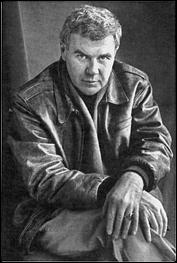
Raymond Carver lived from 1938 to 1988. "Your Dog Dies" has been on americanpoems.com since 2004. Readers left 33 comments on it between 2004 and 2024, often arguing over whether it is cruel or honest.
What readers have said
melissa Allen is outraged, asking why anyone would be glad a dog was run over. melissa Allen, 2005
Cameron reads the poem as being about a writer who needs bad things to happen to keep writing well. On this reading the writer ignores the scream in the hope of more material. Cameron, 2005
Kamal says the poem is about the madness of a poet, drawn into a whirlpool of abstraction until only the words on the page matter. Kamal, 2005
Lindsay Varcoe praises the poem's honesty, seeing it as a confession of the artistic joy a writer can take in a death. Lindsay Varcoe, 2006
MeMe reads it as showing that art and creativity ease the suffering of being human. MeMe, 2007
Mary Johnson argues the dog is not really a dog at all but a metaphor for a failing marriage, pointing to the lines about the daughter. Mary Johnson, 2005
my dog died on october 27,2004 i dont know what to do what do i do and how can i stop crying?
EmilyUnited States
i know everyone gets many different meanings from poems butthe other two comments here have nothing to do with this poem. it has a depper meaning then a dead dog, the death of the dog inspires himt o write about it then that inspires him to write of the good poem he wrote yet there are still inturuptions to him and his writing.
letraUnited States
this is just like what happen to my poor dog his name was rocky we loved him with all of our heart, me and my brother we still got love for him in our hearts.
KerinaJapan
hm... somewhat morbid. is this an ode? why would he write a poem on a poem for his daughter about his dead dog? why doesnt he just post the poem for his daughter? and does he have a shift button with which to capitolize words?
I feel for the girl who's dog died, if it's true. Raymond Carver is DEAD (read the first page of the site) so no, I don't think he cares to capitalize his letters anymore. This poem is about the undercurrent of his life story, a struggling writer, he finds it morbid that it takes strong negative feelings to make his mind work, and the screaming woman is no doubt someone in his life who is pissed that he is writing a…
Read the whole comment
I feel for the girl who's dog died, if it's true. Raymond Carver is DEAD (read the first page of the site) so no, I don't think he cares to capitalize his letters anymore. This poem is about the undercurrent of his life story, a struggling writer, he finds it morbid that it takes strong negative feelings to make his mind work, and the screaming woman is no doubt someone in his life who is pissed that he is writing a poem instead of consoling his daughter, and when he asks "how long can this go on?" he is wondering how long he can continue living in this closed-down non-emotional state where he is emotionally cut off from friends and family, where no one understands, and in doing so rains anger and disbelief on him.
I do not feel this poem is referring to a dog at all. The dog is simply a metaphor for Carver's failing marriage. Read it again-the clues are seen everywhere (especially in the part about his daughter).
hannahUnited States
i dont understand this peom too good... why would he write one peom on top of another?? and also who and why is there screamin? did the daughter get killed or something?.. to damn confusing for my little brain
HollyUnited States
I had a dog like that named Tiger. The guy saw him and went faster to hit him. It made me so so mad. My brothers and I still love him as much as we did when he was alive. I miss you and Love you a lot TIGER!
wowUnited States
You are all amazingly dense...
RELBotswana
OMG! That was the funniest thing I've ever read!!!!! Who doesn't like doggie-suicide? I mean, how original is that? I want my dog to run in front of a mac truck so I can write about it!!! Woo!
sarahUnited States
wow that is amazing!! i thought it was weird at first because who would want to write about a dead dog???
JuliaAustria
wow that's amazing! At first a bit funny but finally....you know what I mean
melissa AllenUnited States
this was the most stupid poem i have ever read!! why would you be happy about the dog getting run over?!?!? And who ever wrote this poem is a syco.
I agree with Melissa Allen. I mean who would want to write about death in general, much less your daughters dog? Raymond Carter has mental problems.
KamalUnited States
You have to step back...this poem is not about us. There is no lesson here. Its about the madness of a poet. A dog dies, and the narrator does the "normal" thing. Feels sad, buries it, etc...But he is a poet and writes about it. And then he feels bad b/c he realizes that he is almost glad it happened, b/c it gives him something to write about and so and so on into this mental whirlpool of abstraction from reality until all that really matters are the words on the page. He hears his wife (maybe his daughter) scream his name, "Ray-mond" to reach him. But he is lost -- the mad writer.
SergioYugoslavia
is now good poetry without sorrow.That's the poet's curse.
RonUnited States
Raymond is, in my opinion, one of the greatest poets of the 20th century. He captures his audience, tells his story in a raw manner, yet each poem he wrote has it's own soul. Your dog dies is no exception. To bad most of the poster of comments so far just don't get it! I'd suggest they grab one or two of his books and spend a little time learning his style and getting to know him.
Srella WilsonUnited States
So much for comfort when you need it!
Ezergailis, AndrewUnited States
I am sending a competing death of dog poem. Author is my late wife Inta. ae When the dog dies He lies on the table, eyes closed, the trembling quiet now. Pink liquid in the needle, a short yelp, and it's over. They're ready, the vet says, when they go so fast. We cry, I take his collar off. At night, I dream of him running circles, touch the thick rough fur by his neck and feel the tag gone- no one to return him…
Read the whole comment
I am sending a competing death of dog poem. Author is my late wife Inta. ae
When the dog dies He lies on the table, eyes closed, the trembling quiet now. Pink liquid in the needle, a short yelp, and it's over. They're ready, the vet says, when they go so fast.
We cry, I take his collar off. At night, I dream of him running circles, touch the thick rough fur by his neck and feel the tag gone- no one to return him now.
Sixteen years of walks- parks, wildflower reserve, Plantations, Rim Trail, Lick Brook, Abbot's Loop, and many nameless paths, on foot or skis, he struggling through the snow. Lately, for his sake, more on flat trails.
We force ourselves to walk now, explain to other regulars, pet their dogs, and go on, the warm brown shadow still between us, the ghost leash loosening, as he falls behind.
RebeccaUnited States
I personally love poetry and I thought this was funny yet ellagent. It was a great poem!!
CameronUnited States
You're all inane. This poem is about how he needs to have bad things happen so he can continue to write good poetry. It gets to the point where he is happy that bad things are happening, because good poetry comes out of it. Finally, he hears some sort of screaming, and he does nothing in the hopes that it will be bad enough to write good poetry.
georgeCanada
this is a terrible terrible poem.
CindyUnited States
This is the first Carver poem I read, and then I was hooked. He is by far my favorite poet of all time. Other favorites include "Transformation" and "The Current," but I've grown attached to a number of his pieces and like his poetry more than his prose. Thanks for the site.
ZachUnited States
This poem is very depressing!!!
Lindsay VarcoeAustralia
I am astounded that so many visitors to this site fail to comprehend the genious of Raymond Carver. His dirty little secret - that he extracts some artistic joy from the death of his daughter's dog - and his confessional regarding same, are brilliant honesty in its most raw form. The literal meaning and the poet's dilemna are as one - the dog is dead and Carver is genuinely sorry for his daughter, but at the same time he (the poet Carver) is secretly pleased to have something to stoke his creative fires. The separation between artist and person - creator and person - has never been more stark. Read it - read everything Carver wrote and savour every moment.
LJV
AdriannaUnited States
this is gay!
katey
this is a really good poem LOL
MeMeUnited States
This is an amazing poem. I wonder about those of you who just write, "This is terrible" or some such. Why bother to comment if you're not going to explain your ideas, your thoughts, your analysis? I can't even tell if some of you have put thought into it. Maybe you just have a good/terrible button on your keyboard... The beauty of this poem is in the way it reaches toward illuminating the truth that art, or…
Read the whole comment
This is an amazing poem. I wonder about those of you who just write, "This is terrible" or some such. Why bother to comment if you're not going to explain your ideas, your thoughts, your analysis? I can't even tell if some of you have put thought into it. Maybe you just have a good/terrible button on your keyboard... The beauty of this poem is in the way it reaches toward illuminating the truth that art, or creativity, mitigates the suffering of being human. The author loves his daughter and loved the dog. Death is ultimately inescapable. The only thing that makes the painful situation of life, love and death bearable is writing a poem about it. Then the poem turns out to be so good that it does more than take the edge off the suffering; it brings the writer happiness! A kind of happiness-despite-death. What more could any of us ask for? It's all we've got as mortals in this world. A woman is yelling at him. She's trying to break into what he's built as a way of happiness. She's his wife, most likely. She isn't the source of his happiness, so the marriage might be on the rocks. He's holding on. "How long can this go on?"
I hope reading poems brings you all happiness. I'd love to read thoughtful comments.
"The beauty of this poem is in the way it reaches toward illuminating the truth that art, or creativity, mitigates the suffering..." C'mon. you're thinking too much. trying to be some intellect. "mitigates the suffering.." c'mon.
my dog died on october 27,2004 i dont know what to do what do i do and how can i stop crying?
i know everyone gets many different meanings from poems butthe other two comments here have nothing to do with this poem. it has a depper meaning then a dead dog, the death of the dog inspires himt o write about it then that inspires him to write of the good poem he wrote yet there are still inturuptions to him and his writing.
this is just like what happen to my poor dog his name was rocky we loved him with all of our heart, me and my brother we still got love for him in our hearts.
hm... somewhat morbid. is this an ode? why would he write a poem on a poem for his daughter about his dead dog? why doesnt he just post the poem for his daughter? and does he have a shift button with which to capitolize words?
I feel for the girl who's dog died, if it's true. Raymond Carver is DEAD (read the first page of the site) so no, I don't think he cares to capitalize his letters anymore. This poem is about the undercurrent of his life story, a struggling writer, he finds it morbid that it takes strong negative feelings to make his mind work, and the screaming woman is no doubt someone in his life who is pissed that he is writing a…
Read the whole commentI feel for the girl who's dog died, if it's true. Raymond Carver is DEAD (read the first page of the site) so no, I don't think he cares to capitalize his letters anymore. This poem is about the undercurrent of his life story, a struggling writer, he finds it morbid that it takes strong negative feelings to make his mind work, and the screaming woman is no doubt someone in his life who is pissed that he is writing a poem instead of consoling his daughter, and when he asks "how long can this go on?" he is wondering how long he can continue living in this closed-down non-emotional state where he is emotionally cut off from friends and family, where no one understands, and in doing so rains anger and disbelief on him.
Who was screaming?
I do not feel this poem is referring to a dog at all. The dog is simply a metaphor for Carver's failing marriage. Read it again-the clues are seen everywhere (especially in the part about his daughter).
i dont understand this peom too good... why would he write one peom on top of another?? and also who and why is there screamin? did the daughter get killed or something?.. to damn confusing for my little brain
I had a dog like that named Tiger. The guy saw him and went faster to hit him. It made me so so mad. My brothers and I still love him as much as we did when he was alive. I miss you and Love you a lot TIGER!
You are all amazingly dense...
OMG! That was the funniest thing I've ever read!!!!! Who doesn't like doggie-suicide? I mean, how original is that? I want my dog to run in front of a mac truck so I can write about it!!! Woo!
wow that is amazing!! i thought it was weird at first because who would want to write about a dead dog???
wow that's amazing! At first a bit funny but finally....you know what I mean
this was the most stupid poem i have ever read!! why would you be happy about the dog getting run over?!?!?
And who ever wrote this poem is a syco.
I agree with Melissa Allen. I mean who would want to write about death in general, much less your daughters dog?
Raymond Carter has mental problems.
You have to step back...this poem is not about us. There is no lesson here. Its about the madness of a poet. A dog dies, and the narrator does the "normal" thing. Feels sad, buries it, etc...But he is a poet and writes about it. And then he feels bad b/c he realizes that he is almost glad it happened, b/c it gives him something to write about and so and so on into this mental whirlpool of abstraction from reality until all that really matters are the words on the page. He hears his wife (maybe his daughter) scream his name, "Ray-mond" to reach him. But he is lost -- the mad writer.
is now good poetry without sorrow.That's the poet's curse.
Raymond is, in my opinion, one of the greatest poets of the 20th century. He captures his audience, tells his story in a raw manner, yet each poem he wrote has it's own soul. Your dog dies is no exception. To bad most of the poster of comments so far just don't get it! I'd suggest they grab one or two of his books and spend a little time learning his style and getting to know him.
So much for comfort when you need it!
I am sending a competing death of dog poem. Author is my late wife Inta. ae When the dog dies He lies on the table, eyes closed, the trembling quiet now. Pink liquid in the needle, a short yelp, and it's over. They're ready, the vet says, when they go so fast. We cry, I take his collar off. At night, I dream of him running circles, touch the thick rough fur by his neck and feel the tag gone- no one to return him…
Read the whole commentI am sending a competing death of dog poem. Author is my late wife Inta. ae
When the dog dies
He lies on the table, eyes closed,
the trembling quiet now.
Pink liquid in the needle,
a short yelp, and it's over.
They're ready, the vet says,
when they go so fast.
We cry, I take his collar off.
At night, I dream of him
running circles, touch
the thick rough fur
by his neck and feel the tag gone-
no one to return him now.
Sixteen years of walks-
parks, wildflower reserve,
Plantations, Rim Trail, Lick Brook,
Abbot's Loop, and many nameless paths,
on foot or skis, he struggling through the snow.
Lately, for his sake, more on flat trails.
We force ourselves to walk now,
explain to other regulars,
pet their dogs, and go on,
the warm brown shadow still
between us, the ghost leash
loosening, as he falls behind.
I personally love poetry and I thought this was funny yet ellagent. It was a great poem!!
You're all inane. This poem is about how he needs to have bad things happen so he can continue to write good poetry. It gets to the point where he is happy that bad things are happening, because good poetry comes out of it. Finally, he hears some sort of screaming, and he does nothing in the hopes that it will be bad enough to write good poetry.
this is a terrible terrible poem.
This is the first Carver poem I read, and then I was hooked. He is by far my favorite poet of all time. Other favorites include "Transformation" and "The Current," but I've grown attached to a number of his pieces and like his poetry more than his prose. Thanks for the site.
This poem is very depressing!!!
I am astounded that so many visitors to this site fail to comprehend the genious of Raymond Carver. His dirty little secret - that he extracts some artistic joy from the death of his daughter's dog - and his confessional regarding same, are brilliant honesty in its most raw form. The literal meaning and the poet's dilemna are as one - the dog is dead and Carver is genuinely sorry for his daughter, but at the same time he (the poet Carver) is secretly pleased to have something to stoke his creative fires. The separation between artist and person - creator and person - has never been more stark. Read it - read everything Carver wrote and savour every moment.
LJV
this is gay!
this is a really good poem LOL
This is an amazing poem. I wonder about those of you who just write, "This is terrible" or some such. Why bother to comment if you're not going to explain your ideas, your thoughts, your analysis? I can't even tell if some of you have put thought into it. Maybe you just have a good/terrible button on your keyboard... The beauty of this poem is in the way it reaches toward illuminating the truth that art, or…
Read the whole commentThis is an amazing poem. I wonder about those of you who just write, "This is terrible" or some such. Why bother to comment if you're not going to explain your ideas, your thoughts, your analysis? I can't even tell if some of you have put thought into it. Maybe you just have a good/terrible button on your keyboard...
The beauty of this poem is in the way it reaches toward illuminating the truth that art, or creativity, mitigates the suffering of being human. The author loves his daughter and loved the dog. Death is ultimately inescapable. The only thing that makes the painful situation of life, love and death bearable is writing a poem about it. Then the poem turns out to be so good that it does more than take the edge off the suffering; it brings the writer happiness! A kind of happiness-despite-death. What more could any of us ask for? It's all we've got as mortals in this world.
A woman is yelling at him. She's trying to break into what he's built as a way of happiness. She's his wife, most likely. She isn't the source of his happiness, so the marriage might be on the rocks. He's holding on. "How long can this go on?"
I hope reading poems brings you all happiness. I'd love to read thoughtful comments.
this poem is sick i like it i keep reading it over and over
"The beauty of this poem is in the way it reaches toward illuminating the
truth that art, or creativity, mitigates the suffering..."
C'mon. you're thinking too much. trying to be some intellect. "mitigates the suffering.." c'mon.
its just a good, well written poem.
dont think too hard MeMe.
Wonderful poem.
So touching. I often wonder if I will find any point in walking when my dog is gone.